Gardens of Crisis
Prologue
It seems that 2026 will also be a very difficult year, at least here in Europe, though I don’t think the energy crisis will stop at the continent’s borders. Just as the 2020 COVID-19 pandemic was a global experience, this current crisis will affect everyone. There will be an economic crisis, unemployment, and a lack of money. Saving money and frugality will be among the most important concepts in the coming period, and self-sufficiency will be one of the most rewarding activities. Experts are already sounding the alarm, and we will soon enter a period of economic crisis. This is inevitable. It would be wise to start thinking ahead and begin organizing new crisis gardens, because they will be sorely needed.
I wrote this article back in April 2020, and it looks like it will be relevant again in the near future.
World War I crisis gardens, Liberty Gardens
World War I was essentially a European internal war, which caused a food crisis on the continent because the conscription of young men working in agriculture led to a labor shortage and, consequently, crop failures; furthermore, the mutual naval blockade blocked the trade and transport of food. All of this led to severe supply problems during the war, and afterward, a famine on the European continent was prevented only with American aid.
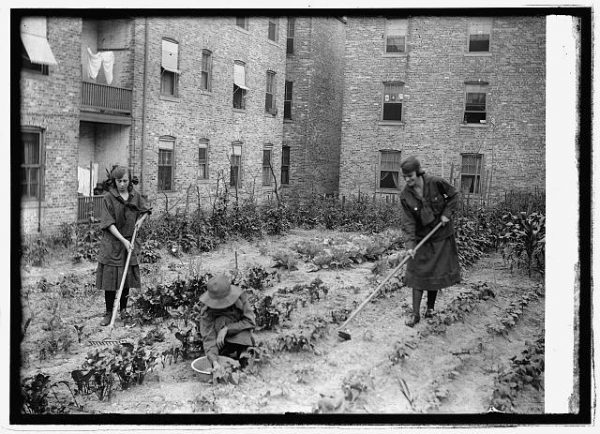
The Liberty Gardens movement was launched in the Anglo-Saxon world to create the conditions for self-sufficiency, and it quickly spread to all the wartime countries and later to the United States as well. When the U.S. entered the war, in response to President Woodrow Wilson’s call, Americans took up vegetable gardening en masse to avoid potential food shortages. The true purpose of achieving self-sufficiency in these wartime gardens was to free up large-scale agricultural products for export to the European continent. Backyards, vacant urban lots, railroad lands, and school gardens were all put to use. According to data from the U.S. Department of Agriculture in 1918, 5.2 million urban gardeners produced crops worth $525 million.

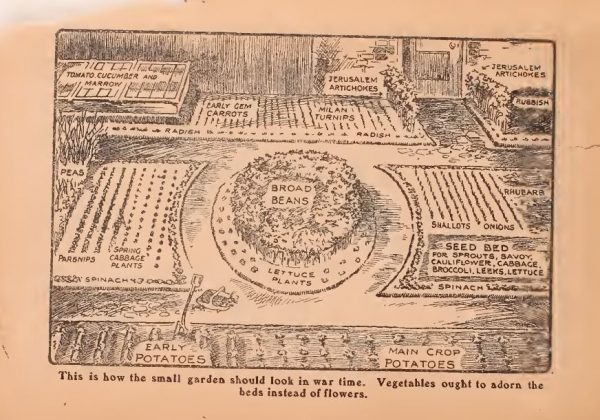
A garden plan from the period of World War I.
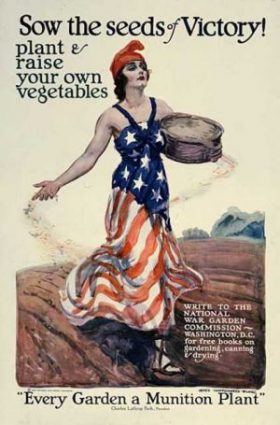
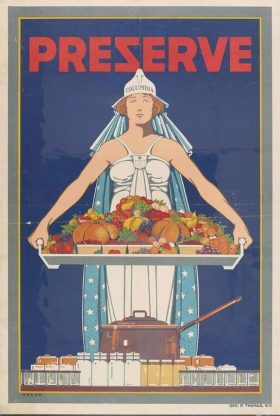
Patriotic posters from the First World War.
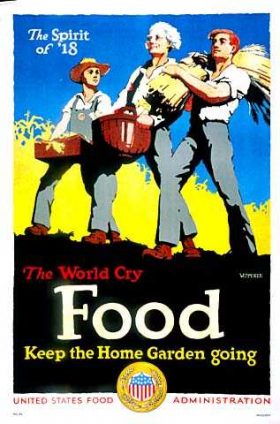
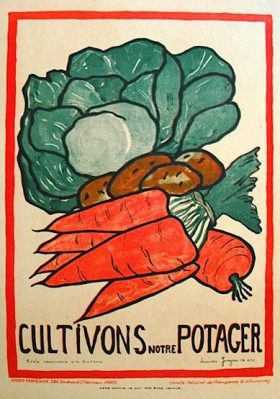
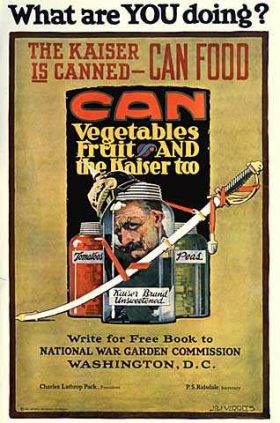
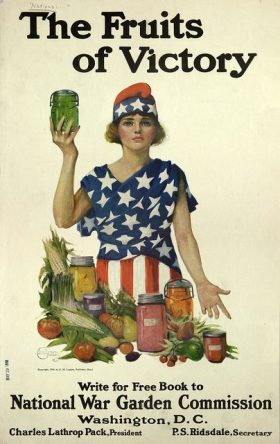
During World War I, the United States became the world’s leading supplier of seeds due to a seed shortage in Europe. Seed catalogs from the World War I era.


Young people were also involved in the self-sufficiency movement, and existing school garden programs were further developed.

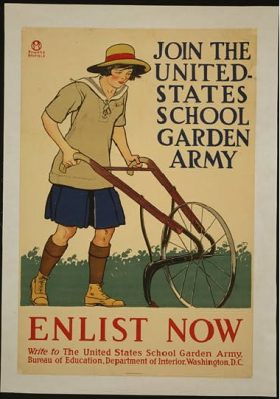
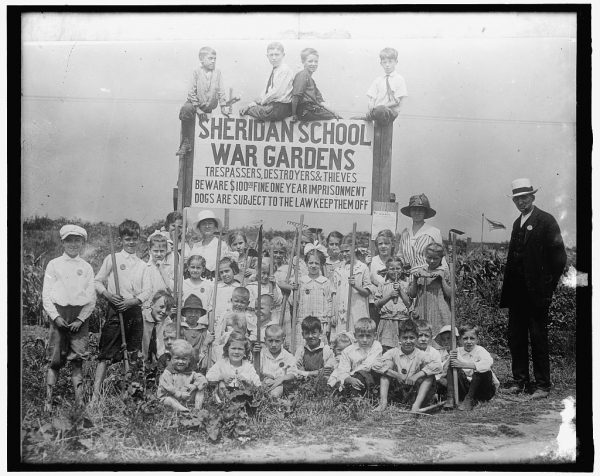
The Allotment Act, a land law designed to promote self-sufficiency, has been in effect in England since 1892. Under this law, local governments are required to provide plots of land to applicants, who could use these plots to grow vegetables and fruit for themselves and their families. During the war, food purchased in stores was often expensive and of poor quality, so home-grown fruits and vegetables contributed significantly to the family’s nutrition and health. The plot of land allocated by local governments was approximately 300 square meters, which provided enough produce for a family of four for the entire year.
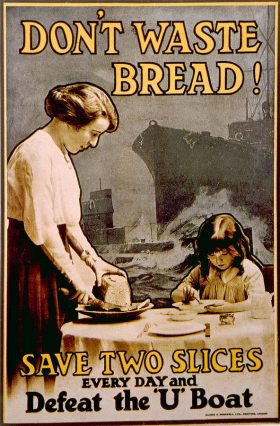
World War I also raged on the food production front, and conservation was essential.



The Great Depression, 1929 – Crisis Gardens
During the crisis of the 1930s, the urban population turned once again to self-sufficiency and urban agriculture; local food production was part of survival strategies, served as a source of savings, and provided participants with activities, a sense of community, and high-quality food.

Dorothea Lang: The migrant mother
The community garden program launched by local governments has faced numerous challenges. Organizers have debated the size, location, and layout of the gardens: Should the gardens consist of individual plots, or should they be cultivated as larger, undivided parcels? Who is eligible to participate in the program, and how should the available land be allocated? Where should crisis gardens be established? Would the economic crisis last long enough to make it worthwhile to establish crisis gardens? It later turned out that the crisis lasted quite a long time, and the vast majority of participants came from among the many unemployed families.
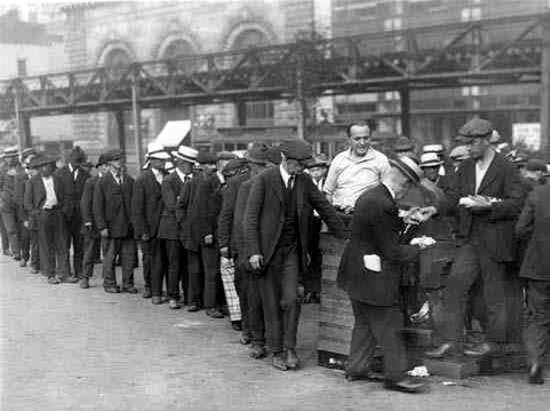
Soupline
Thrift garden

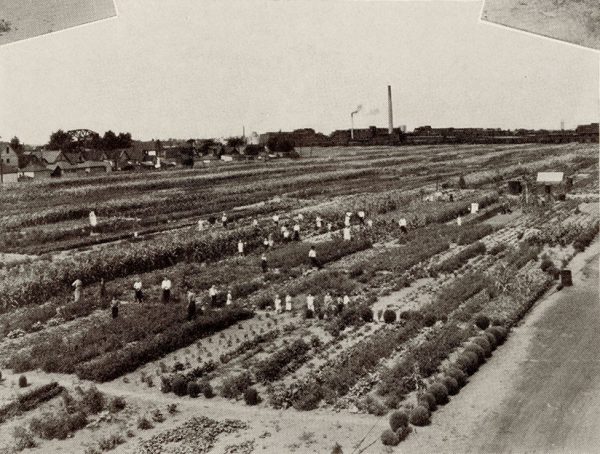
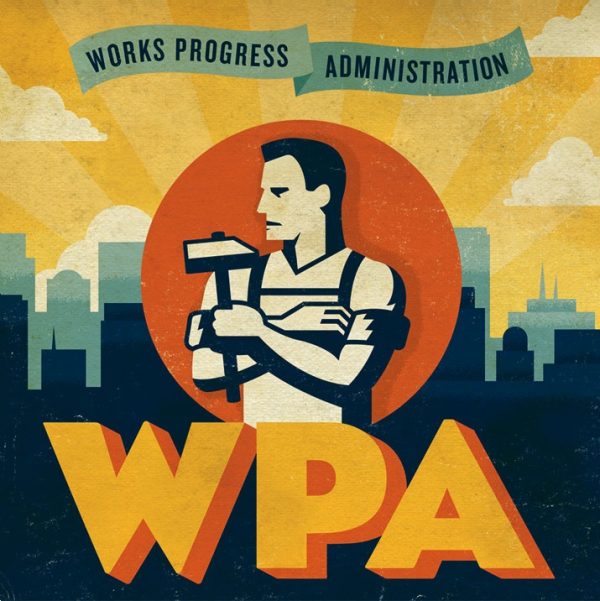
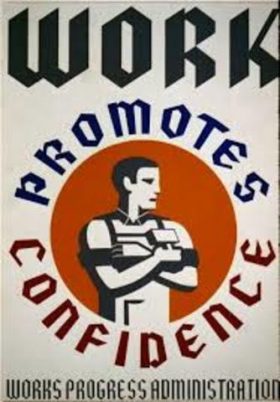
In 1933, Franklin Delano Roosevelt became President of the United States with the New Deal program. In the years that followed, relief gardens received government support, thereby resolving these disputes; local governments and community organizations took over the establishment and management of the relief gardens. Two main types of relief garden programs were implemented: on the one hand, a public works program—in today’s terms—was launched, where gardeners produced staple foods for schools, hospitals, and free public meal programs in exchange for wages; on the other hand, support was provided for urban gardens established for self-sufficiency and backyard farming. An important implementing agency of the New Deal was the WPA (Work Progress Administration), which, for example, provided support for 5,000 small-scale urban crisis gardens in New York. According to later calculations, every dollar invested yielded a profit of $5 for the gardeners annually.

Those who owned their own land were encouraged to take in unemployed people who could grow crops for themselves. Seeds and supplies were provided for the crisis gardens.
Interestingly, the response to the crisis gardens was not entirely positive; many farmers criticized the program, believing it perpetuated the economic crisis by reducing demand for their large-scale agricultural products.

Community gardens improved the health, quality of life, and mental well-being of urban gardeners by providing them with a sense of purpose and generating benefits for their cultivators, while also producing food and providing employment opportunities for participants. Moreover, they were fully aware of the other benefits of community gardening; they protected their members from social decline and social and personal marginalization. In times of crisis, processes of social decline always intensify: alcoholism, acts of violence, crime, and the number of suicides increase. The gardens were a great help in overcoming the crisis mentally.

Bony and Clyde
It is interesting to note that the phenomenon of “land grabbing” quickly spread in industrial cities, where people would find unused, uncultivated land within or outside the city and immediately begin farming it, even illegally. In other cases, shantytowns sprang up in public spaces; many people lost their homes—for example, a Hooverville (a shantytown named after President Herbert Hoover) was established in Central Park in Manhattan.

Hooverville NYC, Central park
By 1938, the crisis had passed and been replaced by the rearmament program; at the same time, the earlier successes of the crisis gardens and the positive experiences associated with them greatly facilitated the rapid expansion and widespread adoption of the Victory Gardens program during the next world war.
World War II, Victory Gardens
England, the Battle of the Atlantic.
The U-boat war—the war between submarines and merchant ships—ultimately aimed to cut off England’s food supply and strangle the island. Due to its historical colony-building traditions, England had not been self-sufficient in food for the past two hundred years; it obtained half to two-thirds of its food from its overseas territories. The German submarine fleet’s mission was not to sink warships, but to “torpedo” merchant shipping—ultimately, to starve England.
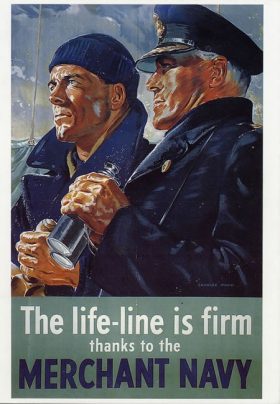
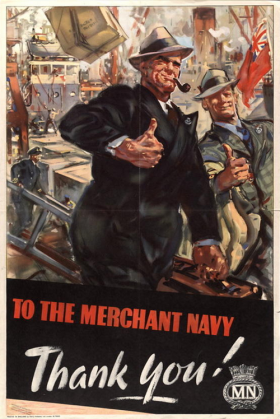
In England, a very strict rationing system was introduced from the very first moments of the war, and every effort was made to revive the World War I gardening movement, known as Victory Gardens.
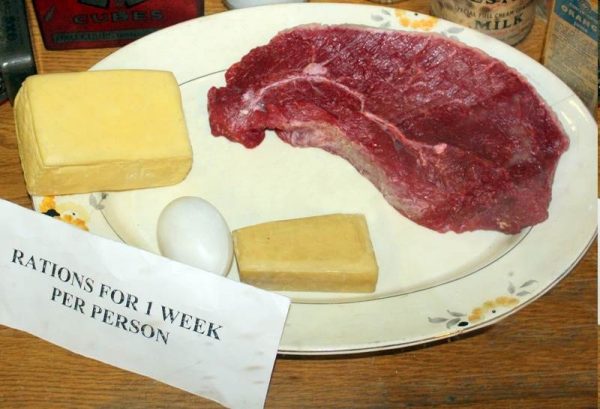

The Victory Gardens operated until the end of the war, and the rationing system continued even longer. With government assistance, they produced everything they could, and women were sent to the countryside to do farm work in place of the men who had been drafted into the military.

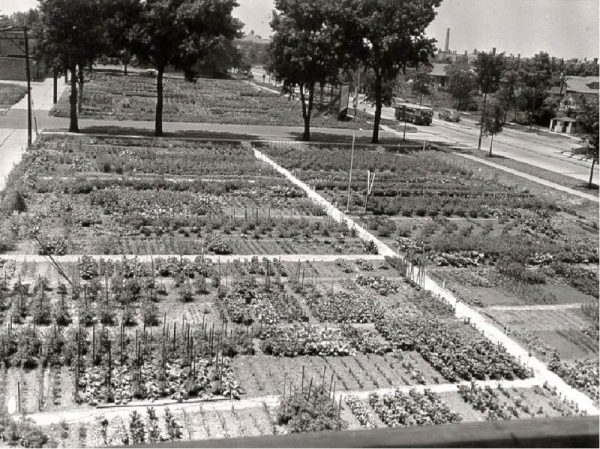
In the United States, the War Food Administration established the National Victory Gardens program, which set five main objectives:
- to reduce the demand for commercial vegetables, thereby making supplies for the armed forces and exports to other countries more readily available;
- to reduce the demand for strategic materials used in food processing and canning, as the canning industry had been almost entirely converted to meet wartime needs.
- alleviate the burden on the railways by promoting local production and consumption
- maintain the health and well-being of Americans and support public acceptance of the war through the outdoor cultivation of vegetables
- a special program was launched for the local preservation of produce (Community Cannery)
In 1943, Eleanor Roosevelt, the president’s wife, also established a Victory Garden in front of the White House, but this was just one among the millions of Victory Gardens operating across the United States.
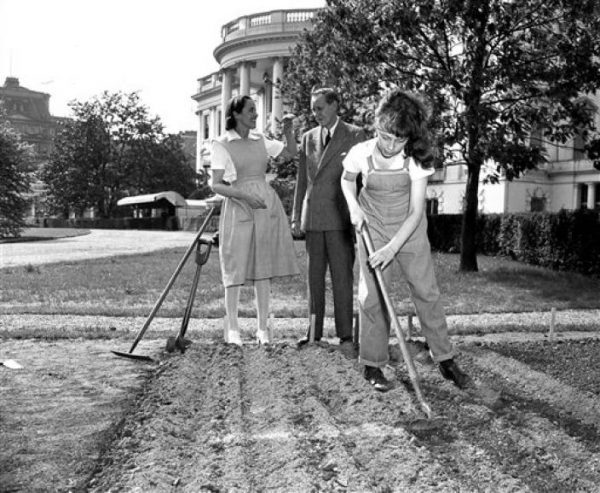
In 1942, seed sales increased by 300%; more than 20 million vegetable gardens were cultivated, yielding an estimated 4 to 5 million kilograms of fruits and vegetables annually, with 44% of the United States’ fresh vegetables being grown for personal consumption. In 1943, American families purchased 315,000 canning pots for preserving vegetables.

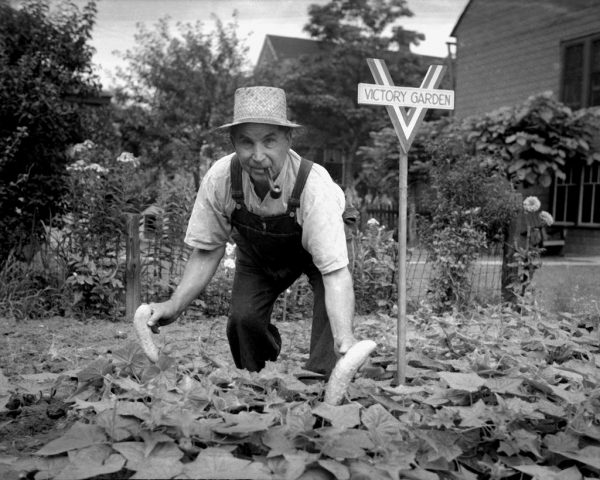
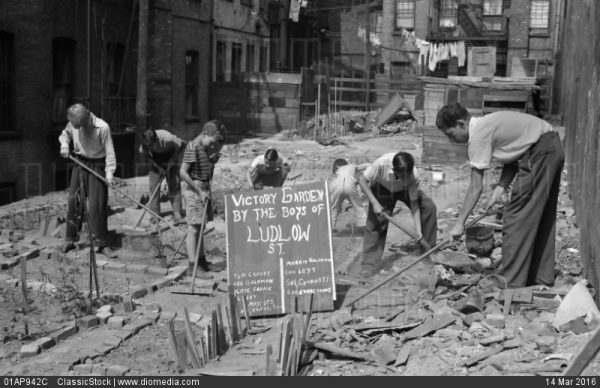
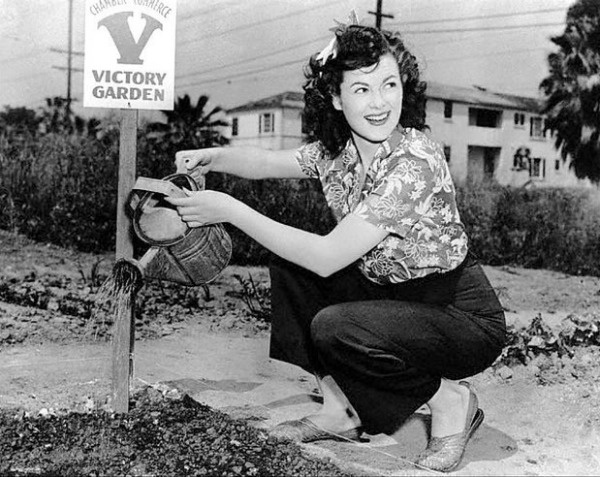


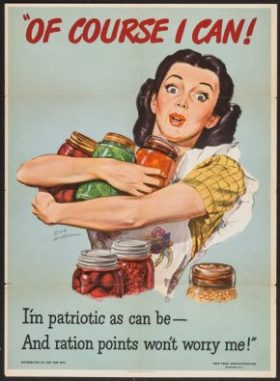
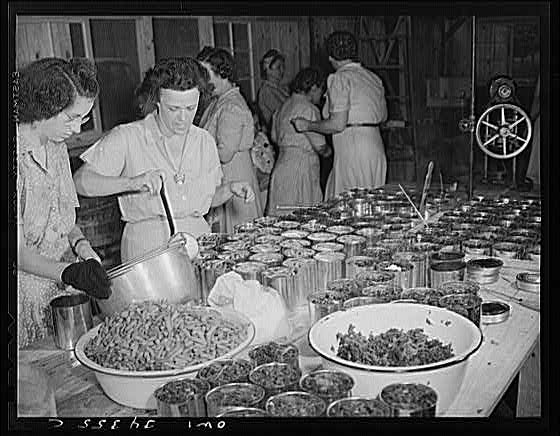
They did not focus solely on production and self-sufficiency; the Food Fight for Freedom program also included the rationalization of food distribution, the introduction of a rationing system, the centralization of recycling and scrap metal collection, the promotion of home canning and storage, and the introduction of voluntary agricultural labor. Interestingly, the introduction of the rationing system made the population’s food supply more balanced, improved consumers’ health, and eliminated dietary disparities between social classes.
After the war ended, the gardens disappeared almost immediately; only a very small number managed to survive the peace, as school gardens or, in some cases, early community gardens.
The gardens of COVID-19
Global crises are rare occurrences; I can recall perhaps two in my own lifetime. The first was the 1973 oil crisis, when the Arab member states of OPEC imposed an oil embargo during the Yom Kippur War. At that time, the price of oil rose by 400%.
The second was the 2020 COVID-19 pandemic, which swept across the world, bringing economic shutdowns and lockdowns. Here in Hungary, it was interesting that gardens offered an escape from “house arrest”; community gardens were also bustling with activity, of course, in accordance with the pandemic prevention rules we devised ourselves. In 2020, there were no price hikes, no shortages of goods; gardening was more about escaping the confines of the home, and its mental health benefits were crucial. The crisis now unfolding will be different: energy poverty will trigger runaway prices, inflation, economic shutdowns, and unemployment. It’s going to be ugly.