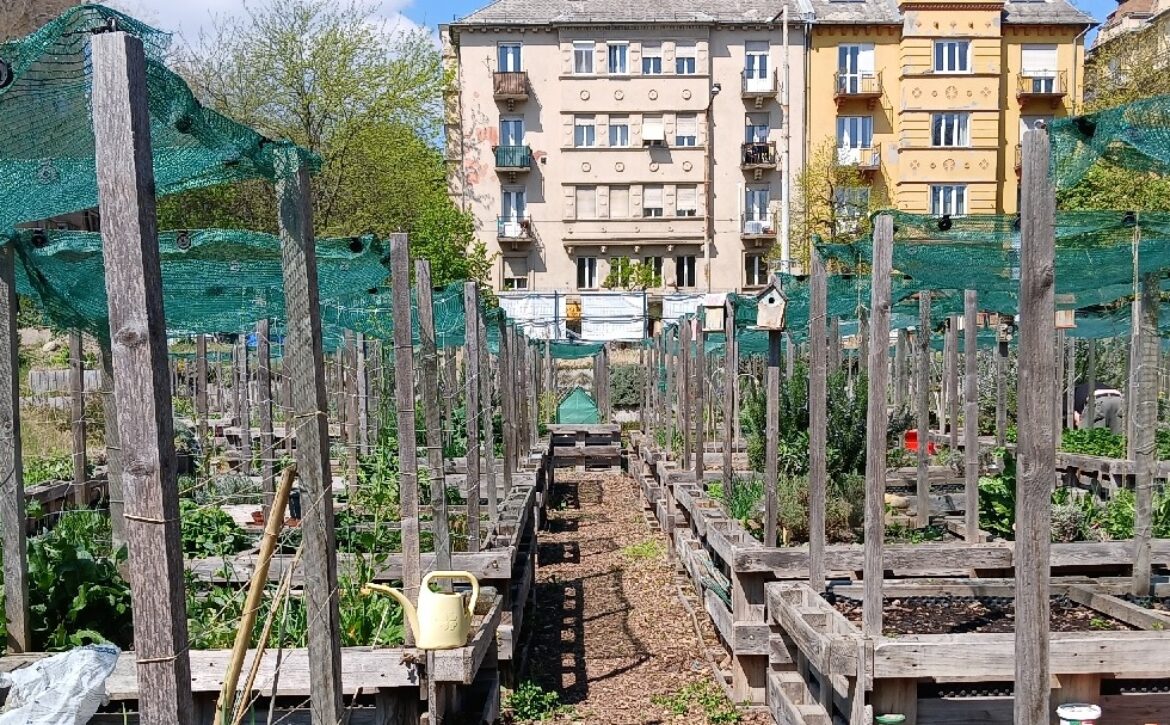
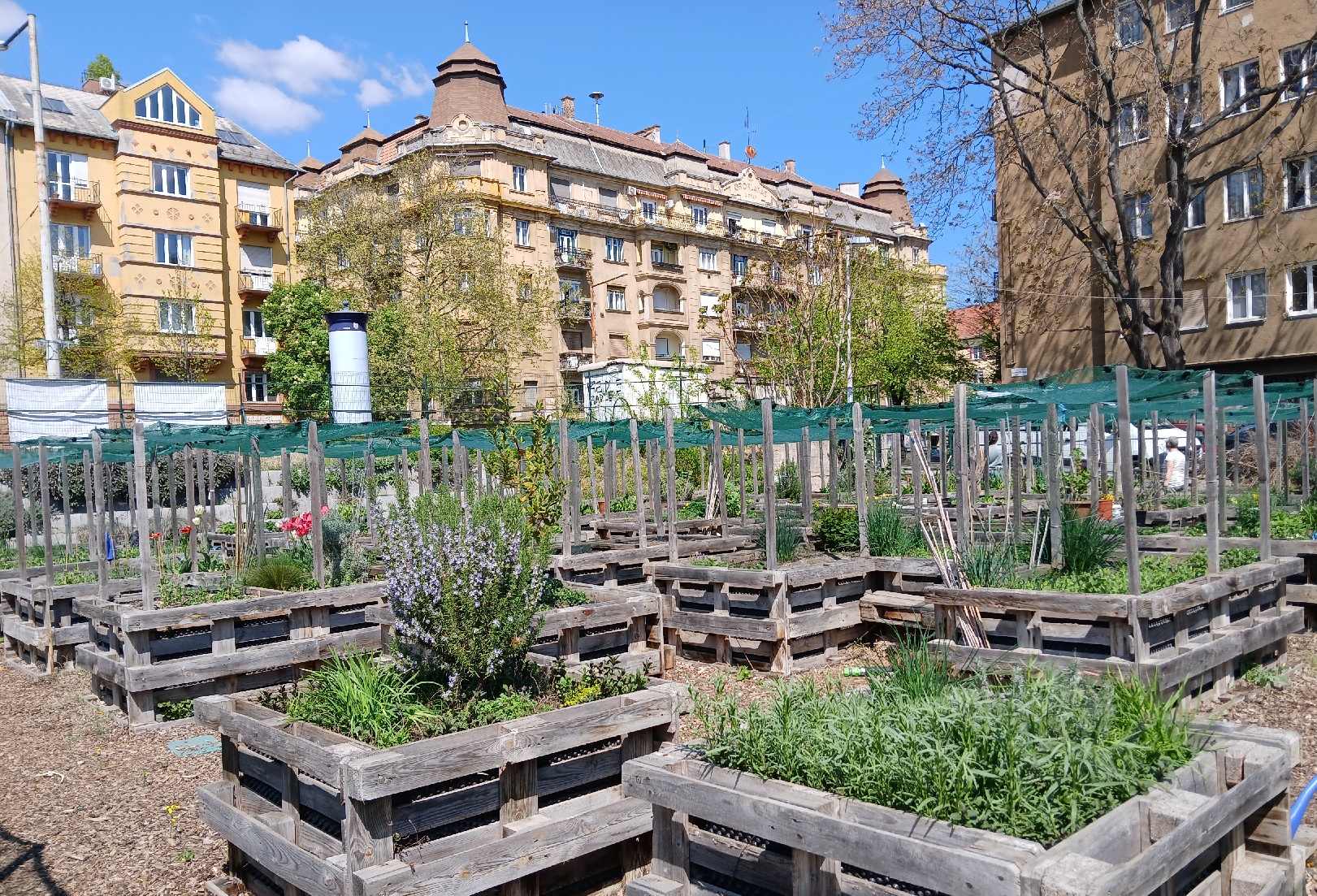
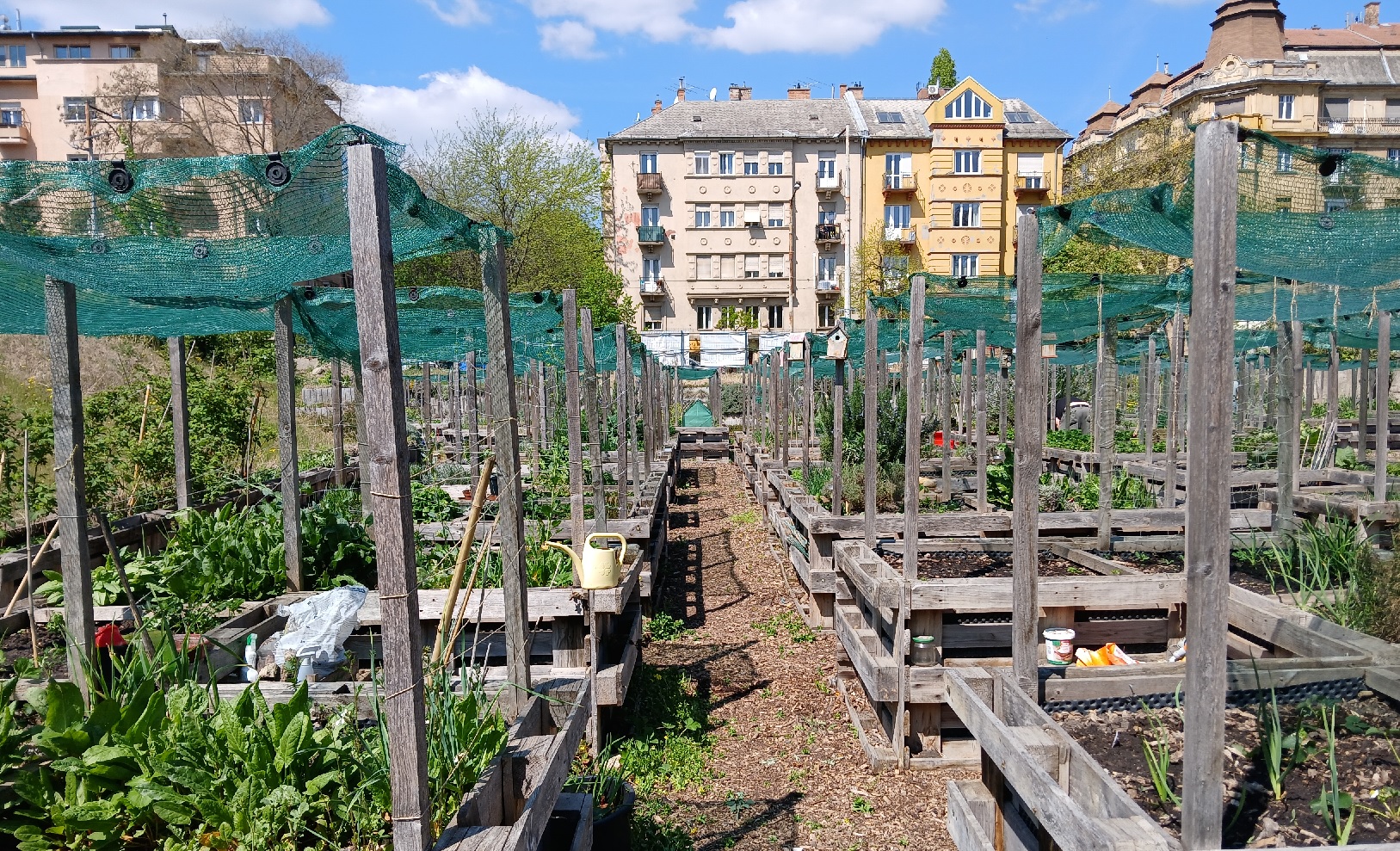
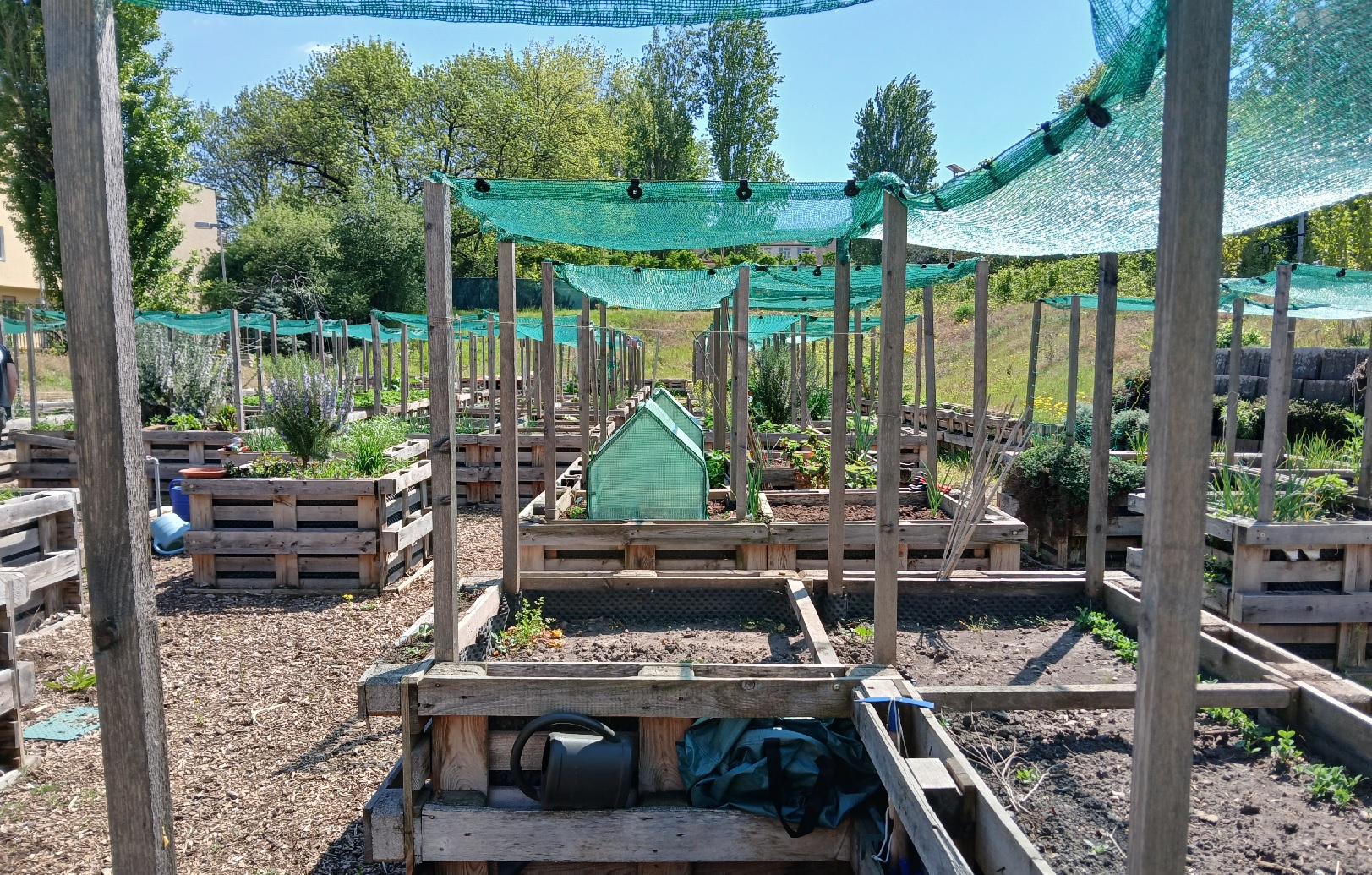

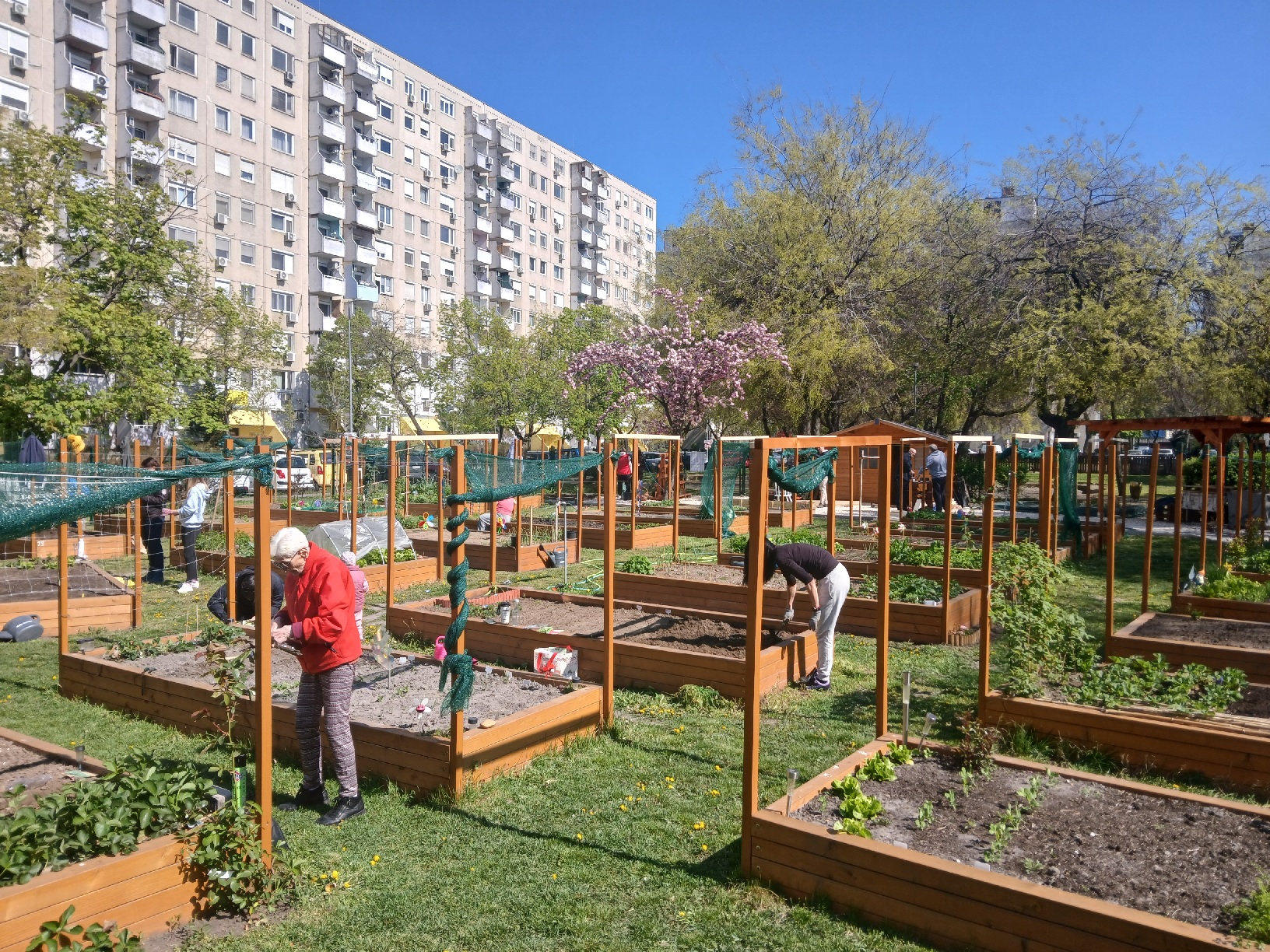
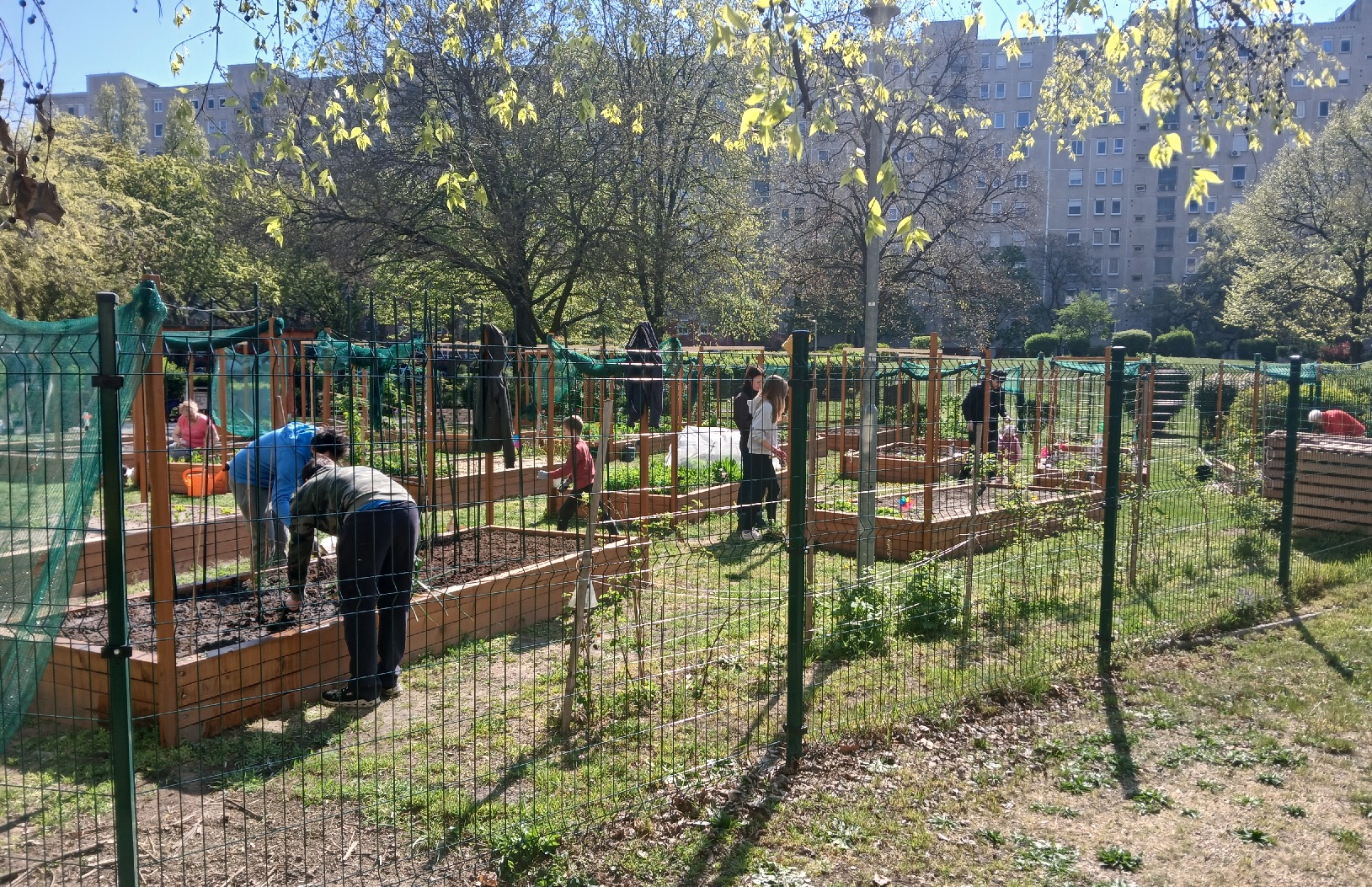
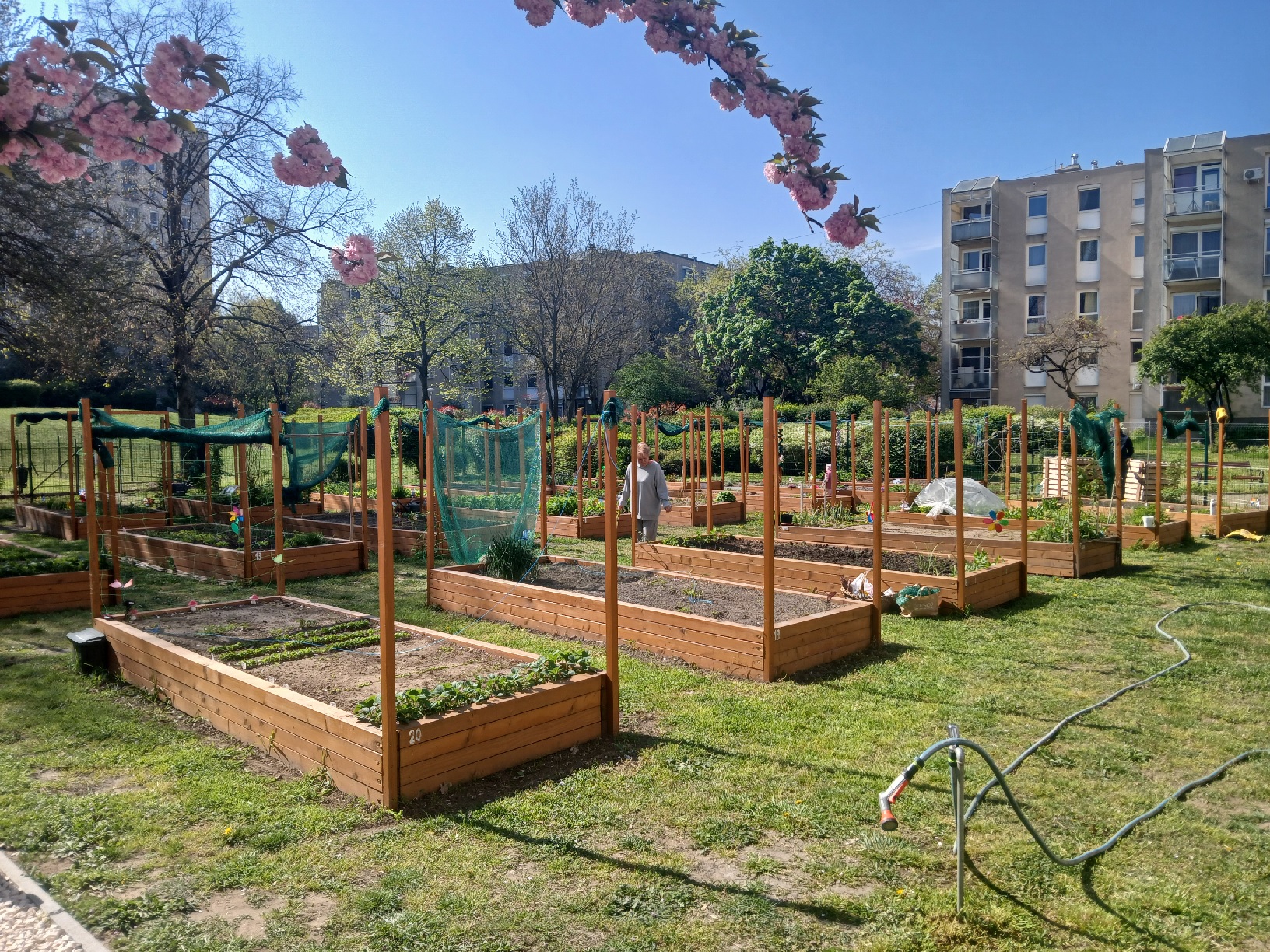
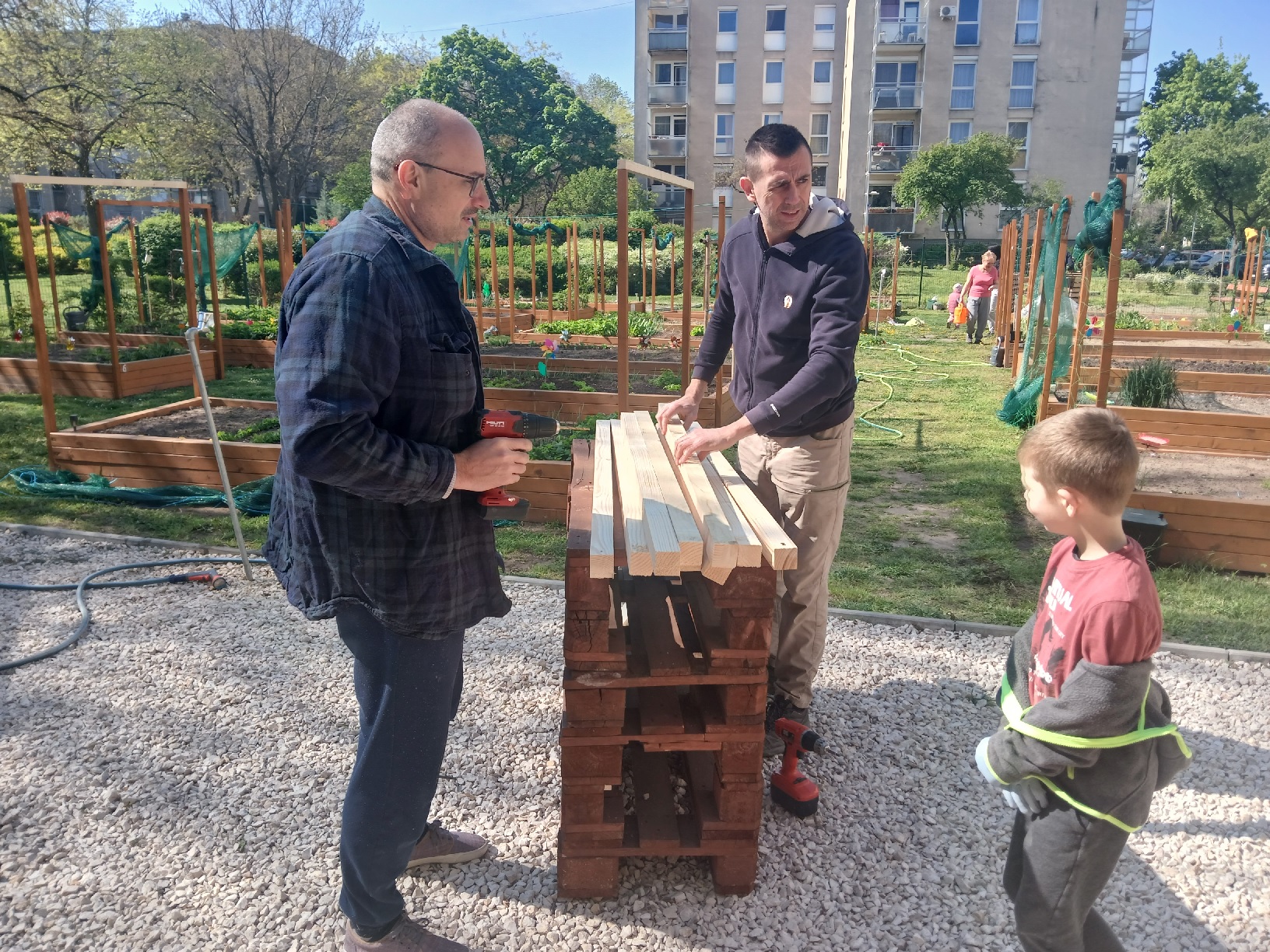
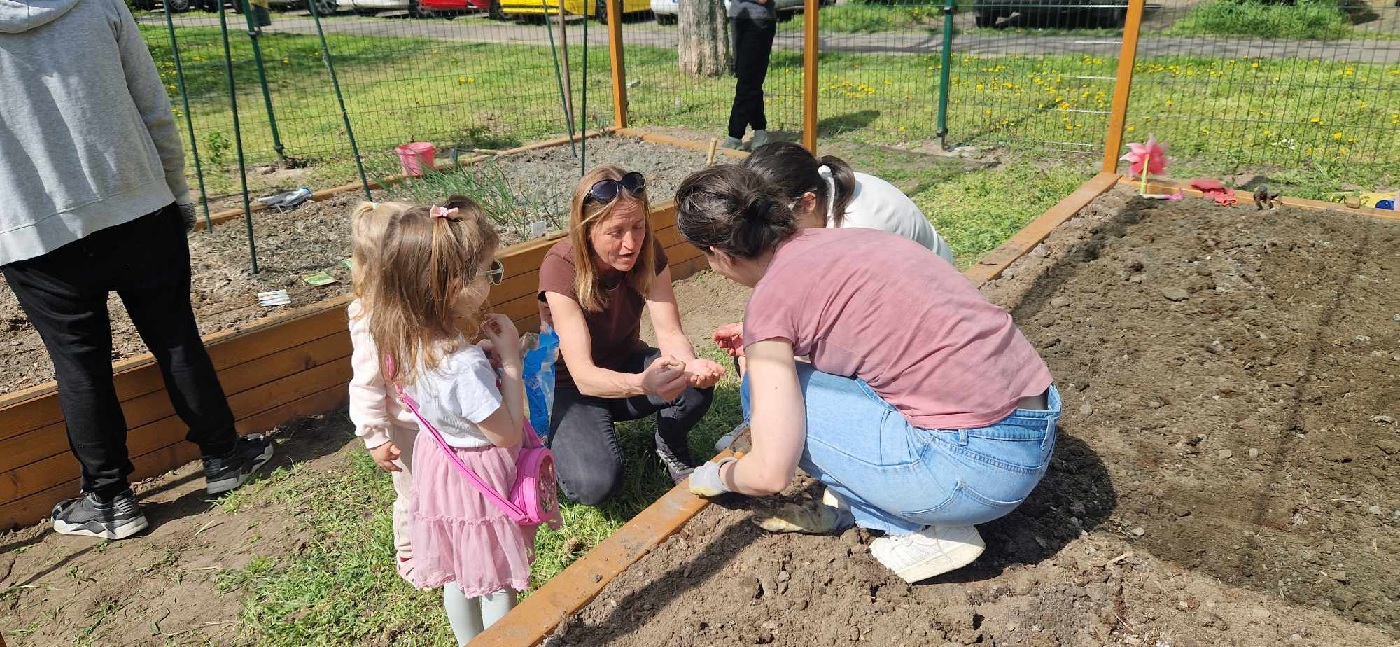
Tavasz van, ültető nap a Toldy kertben
Hirtelen kitört a tavasz, jól néz ki a természet most itt Budapesten és a kertekben.
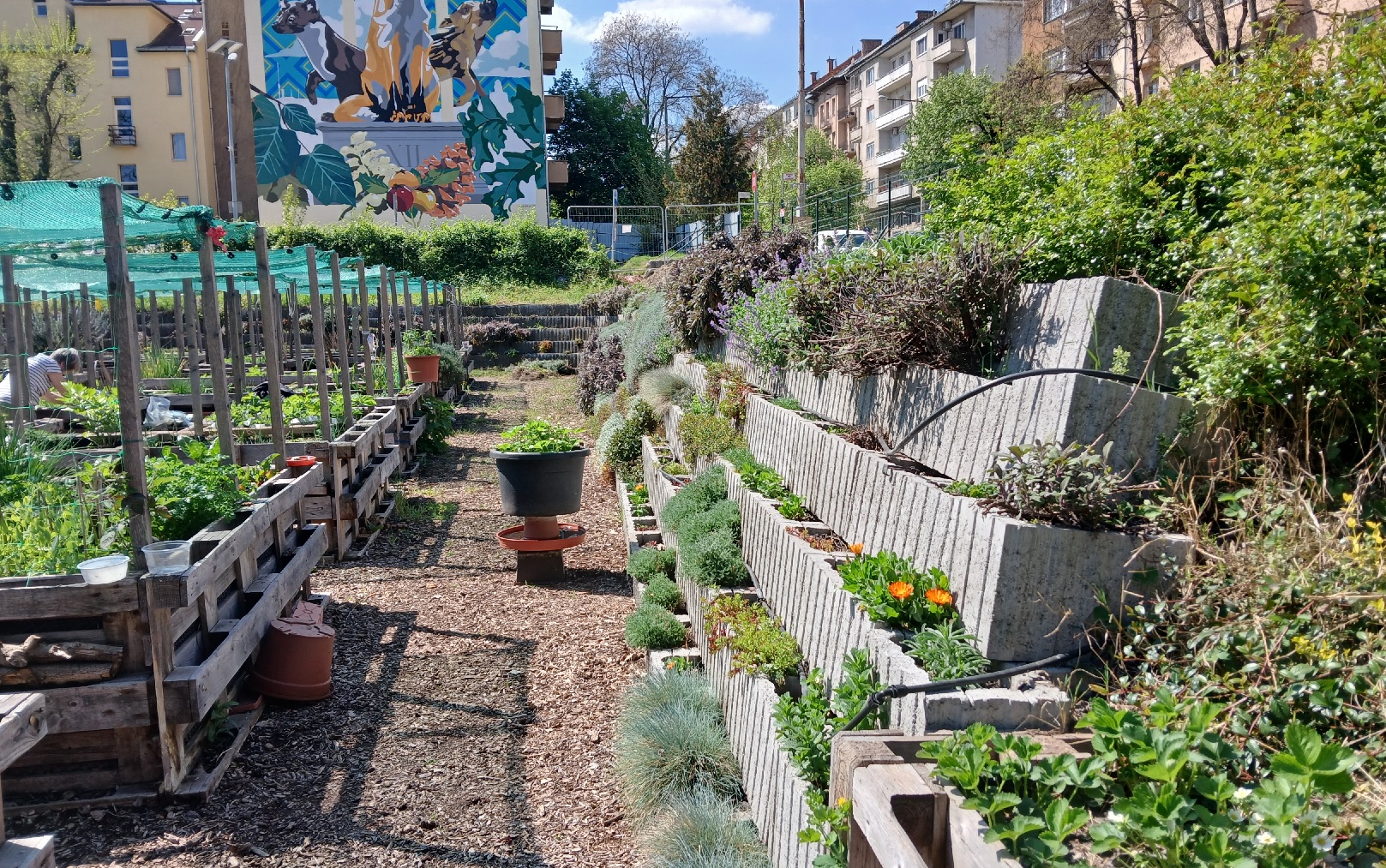
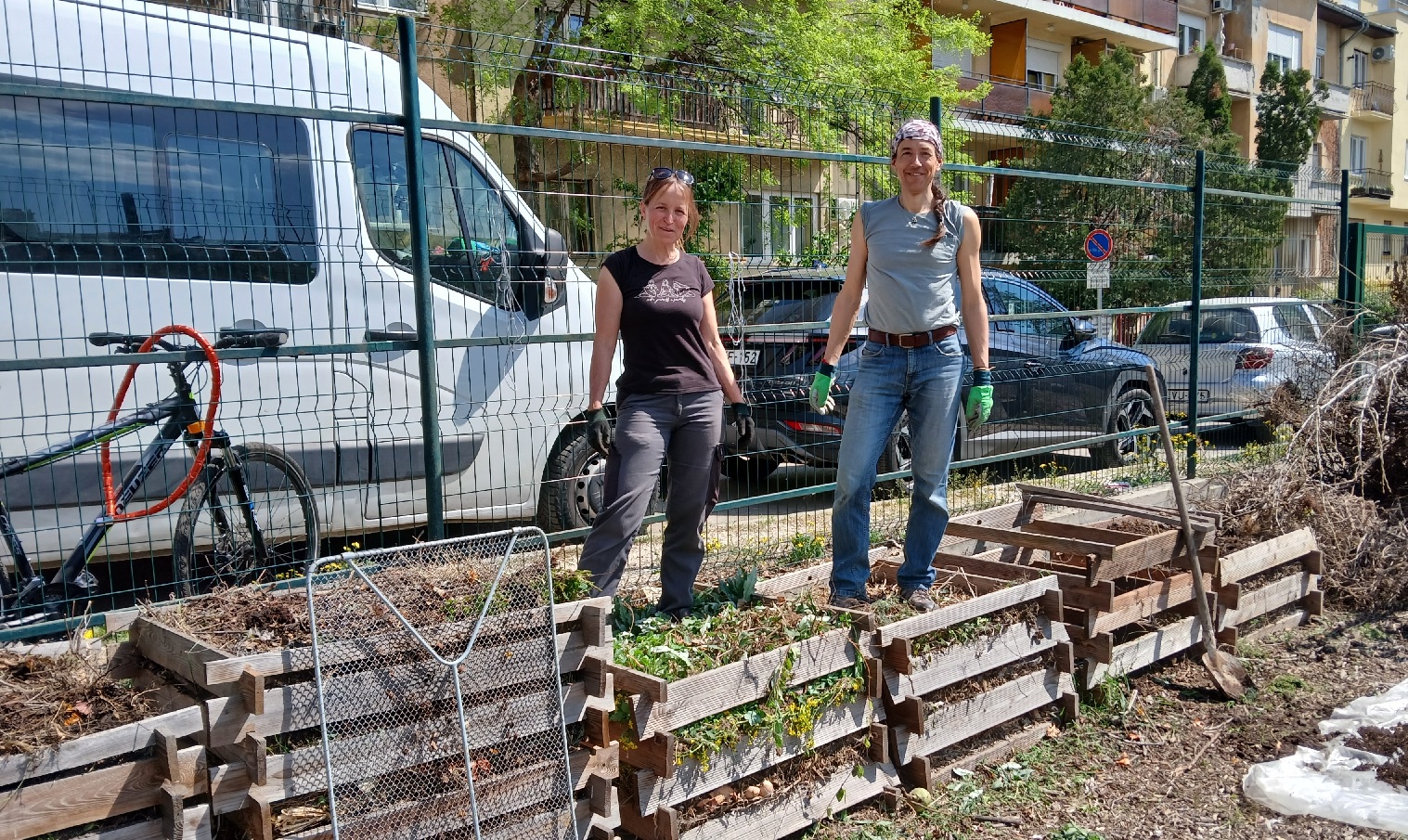
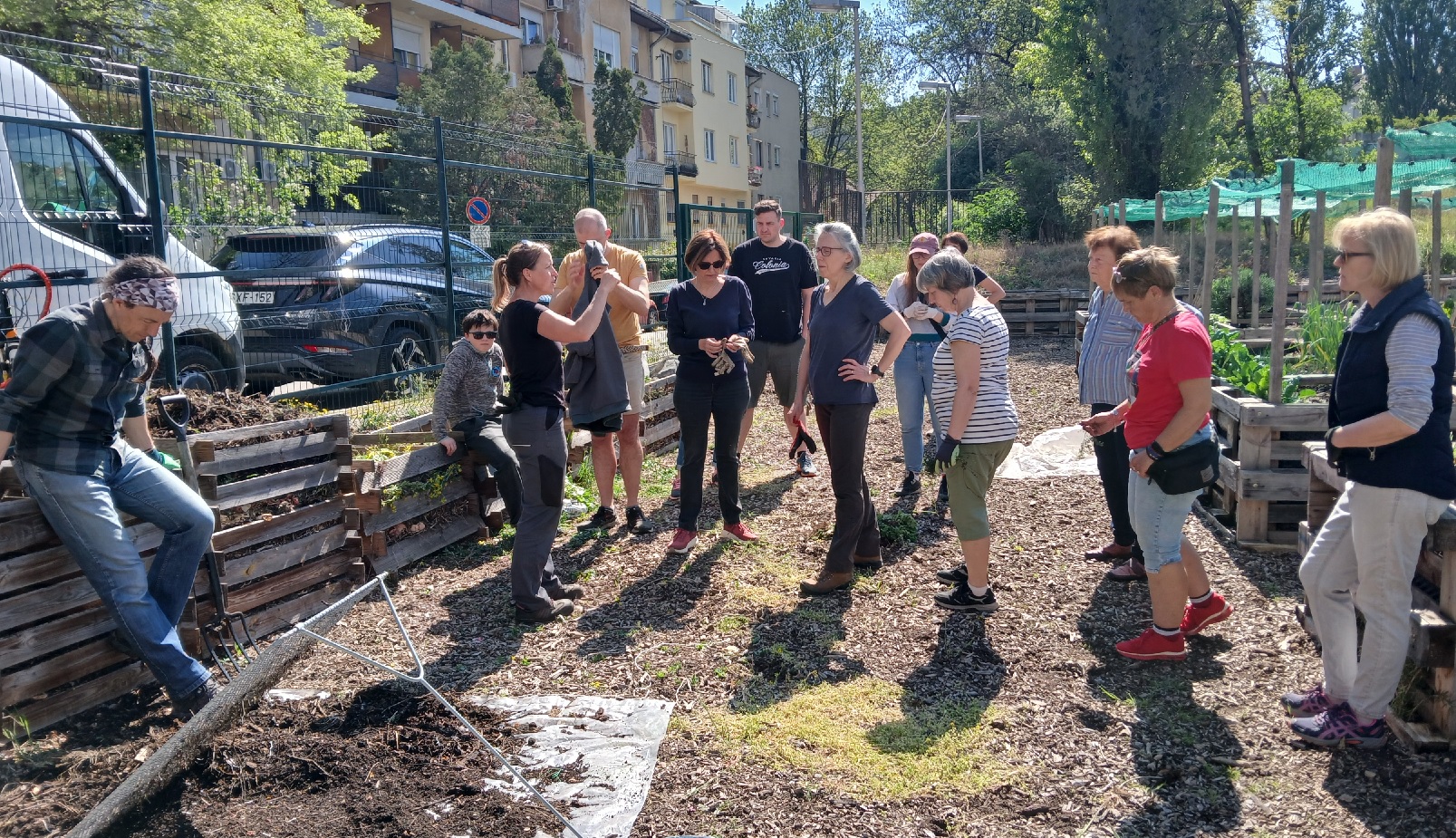
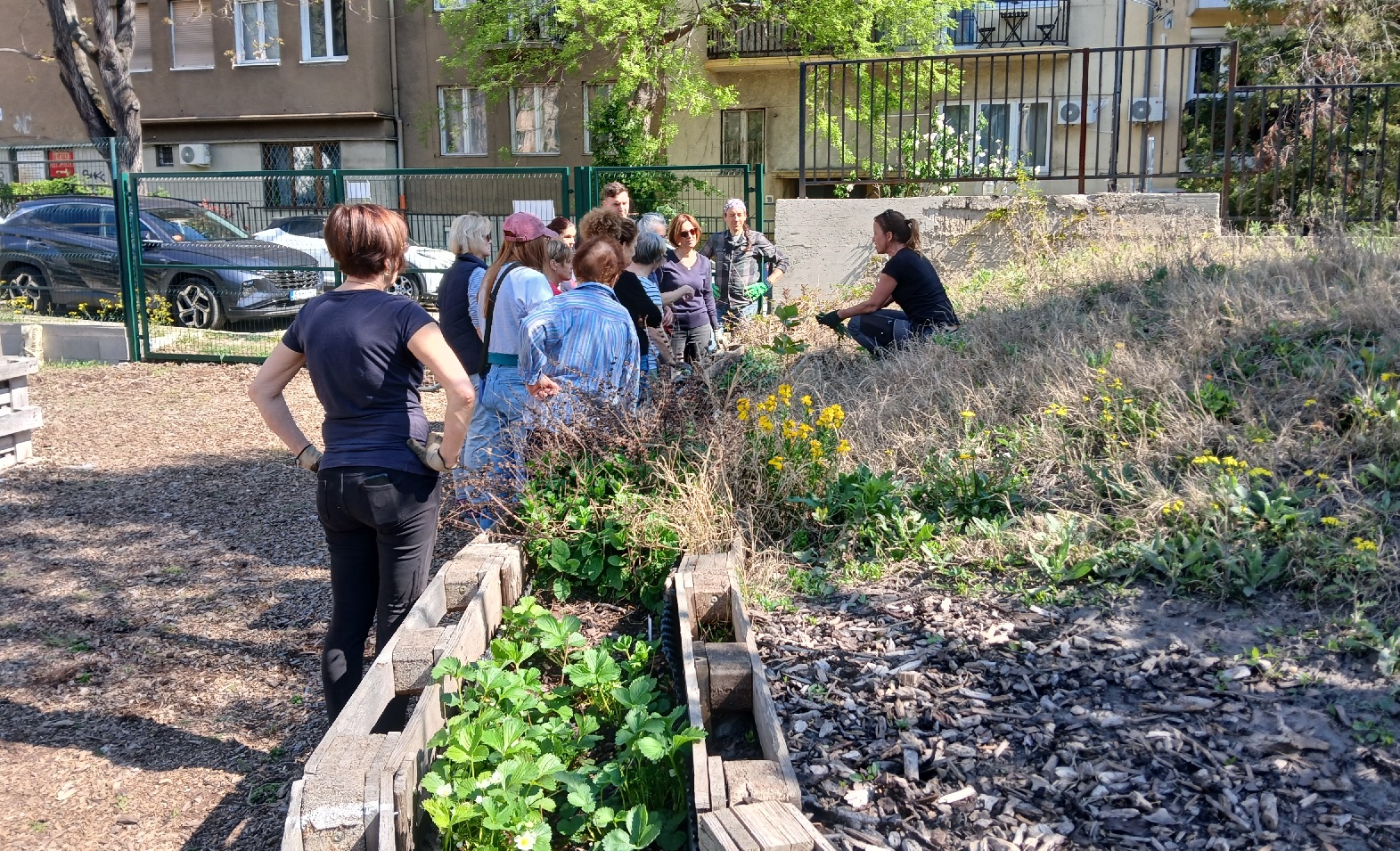
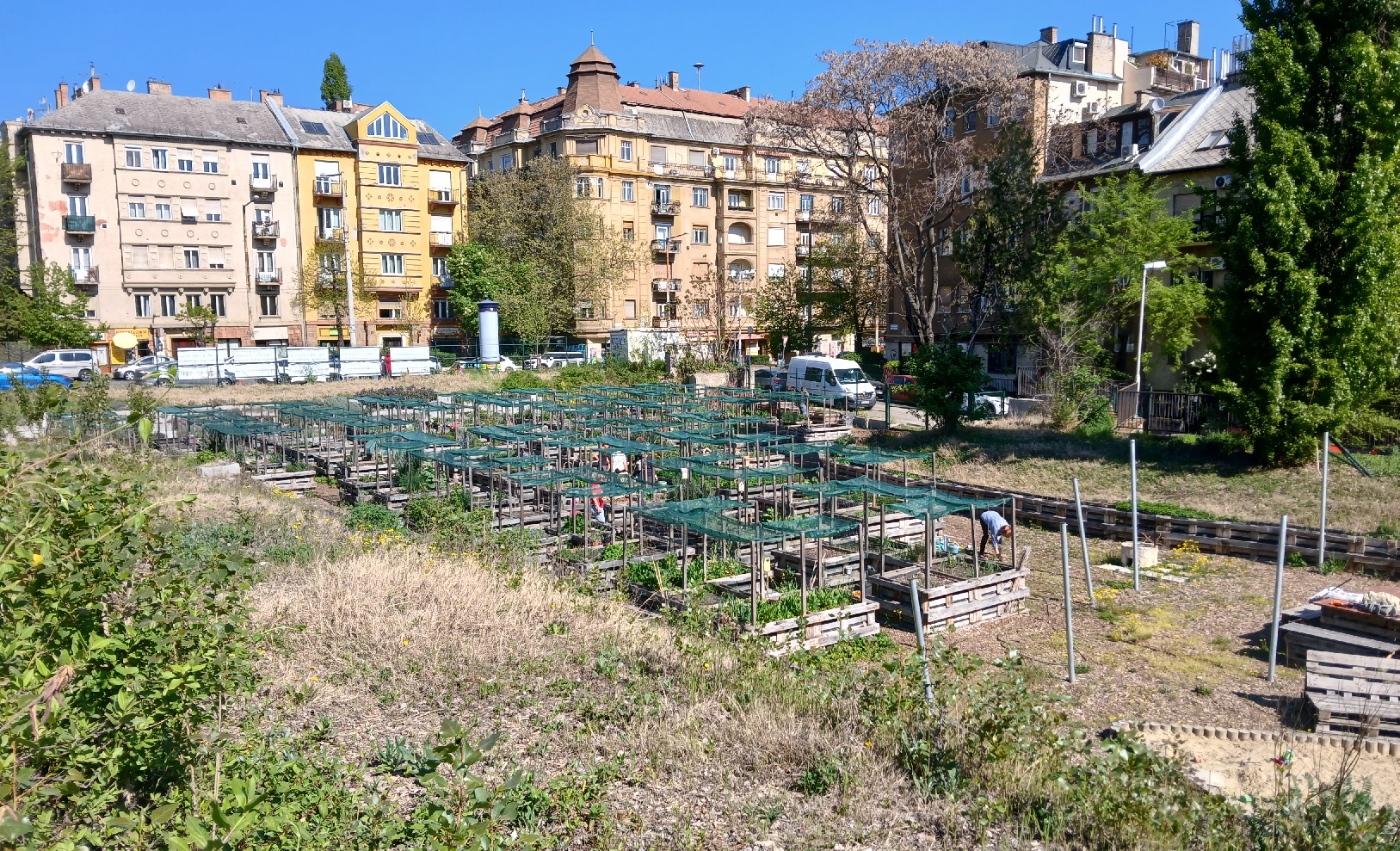
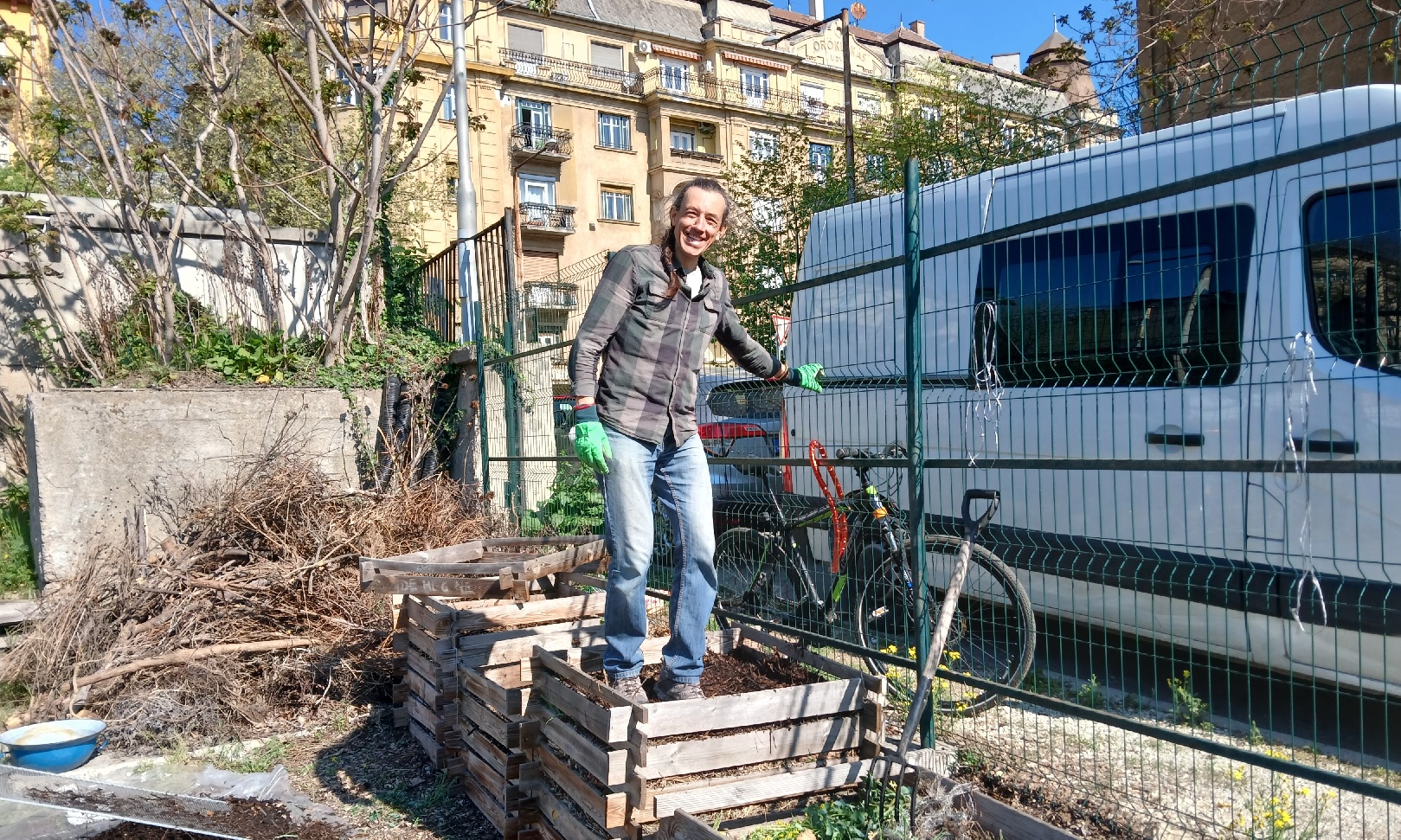
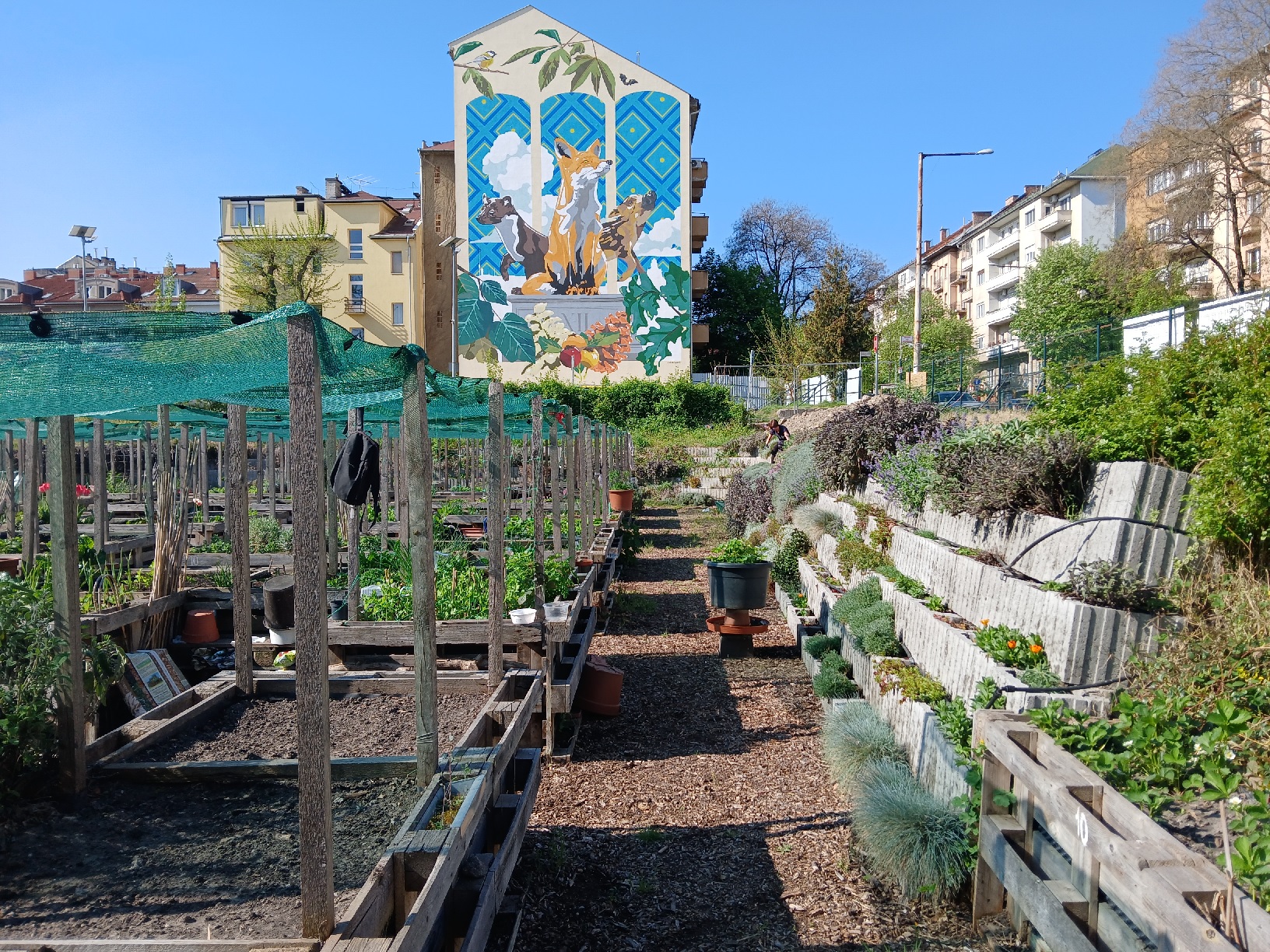
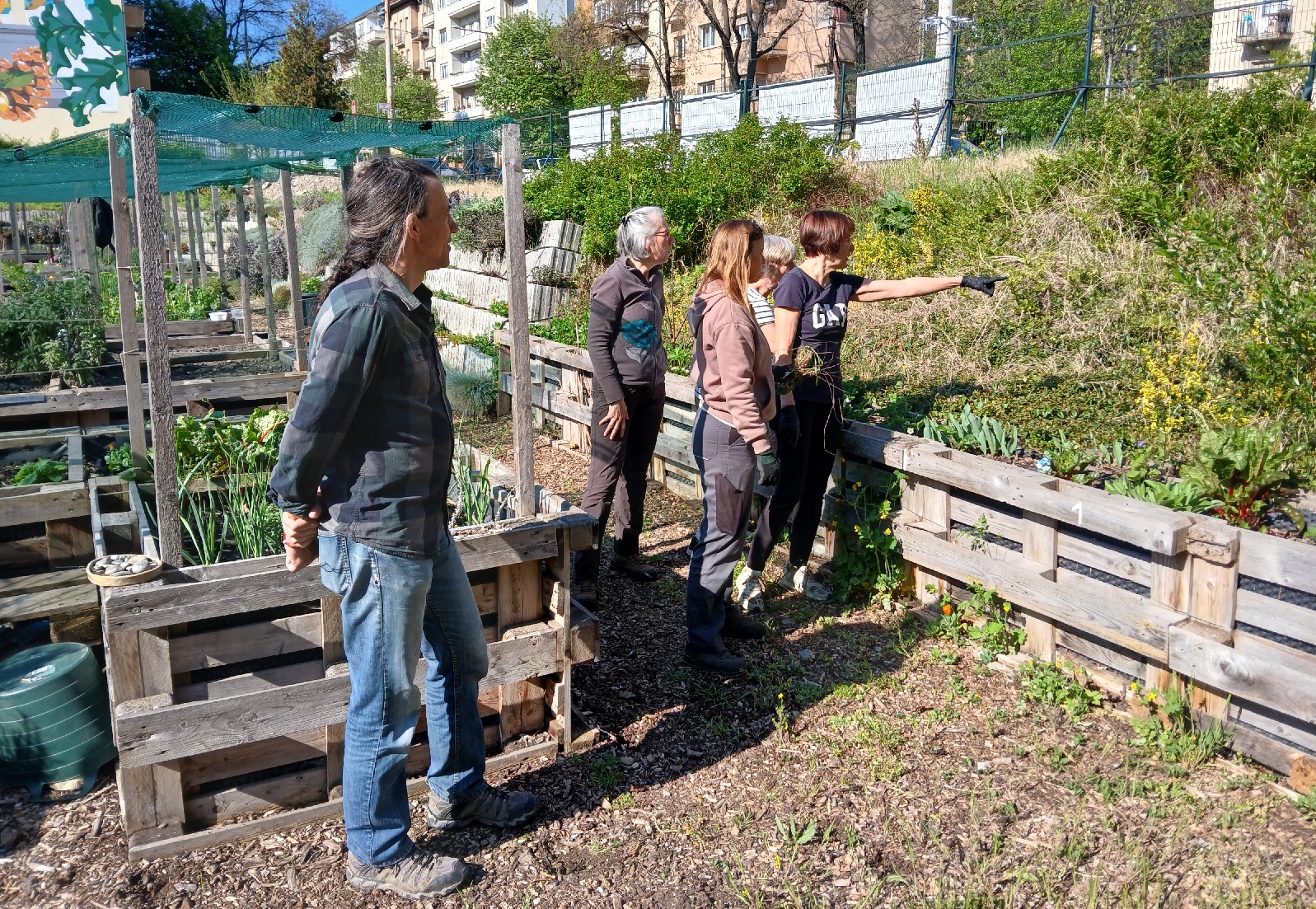
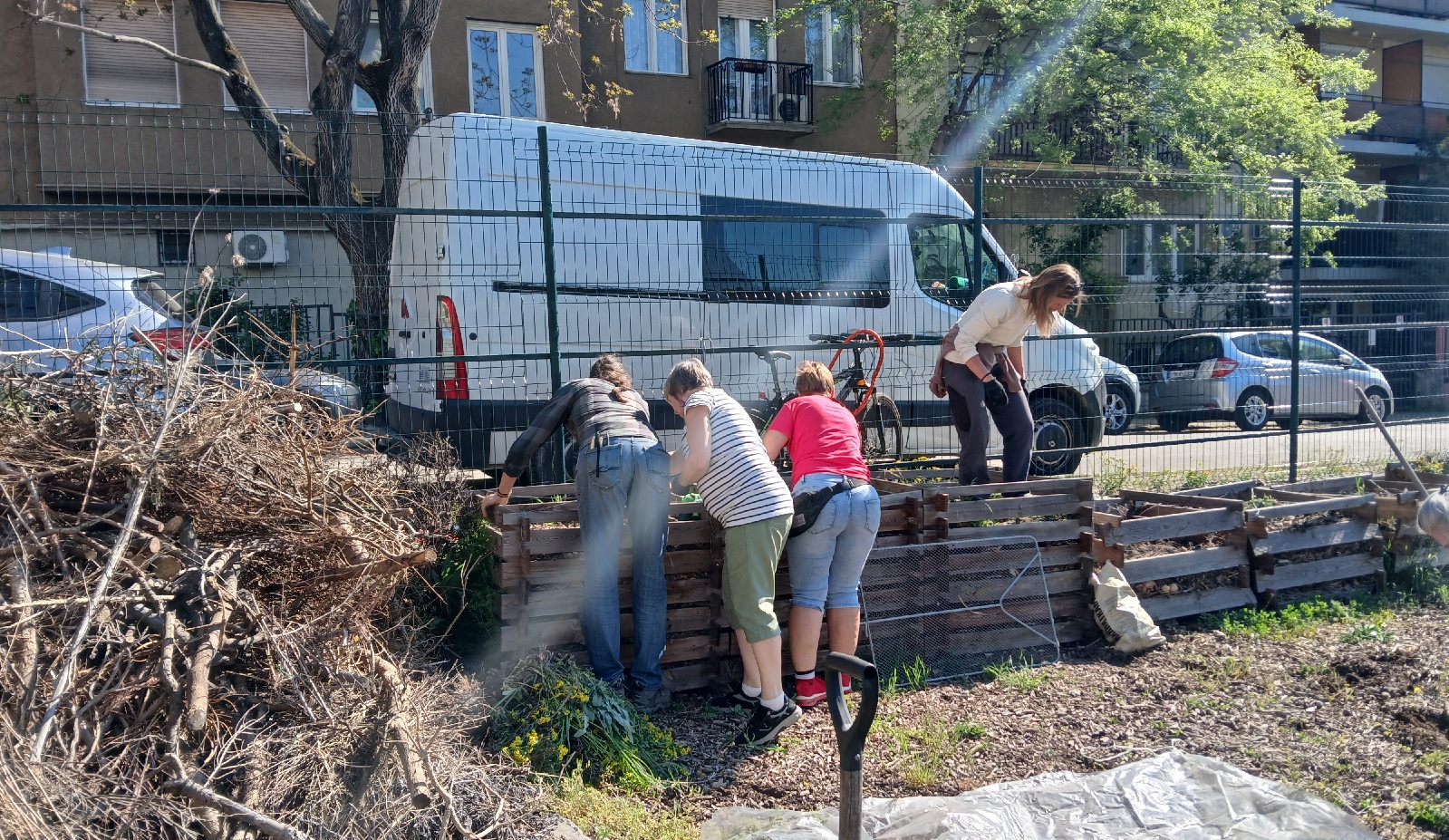
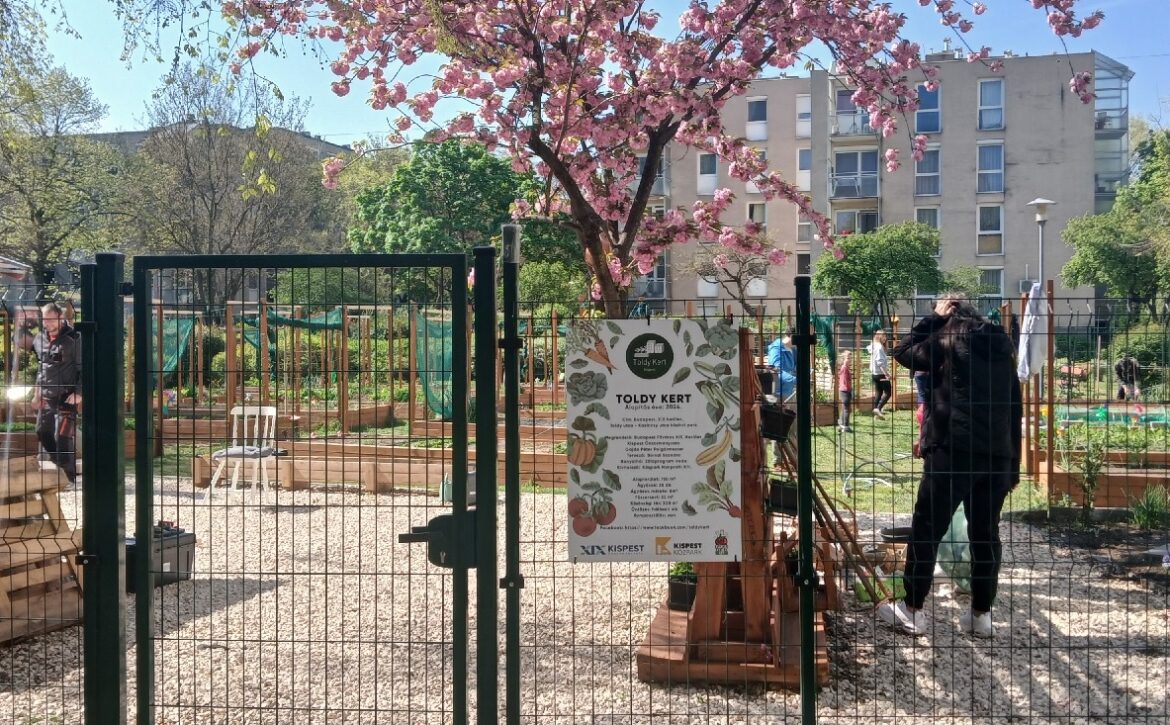
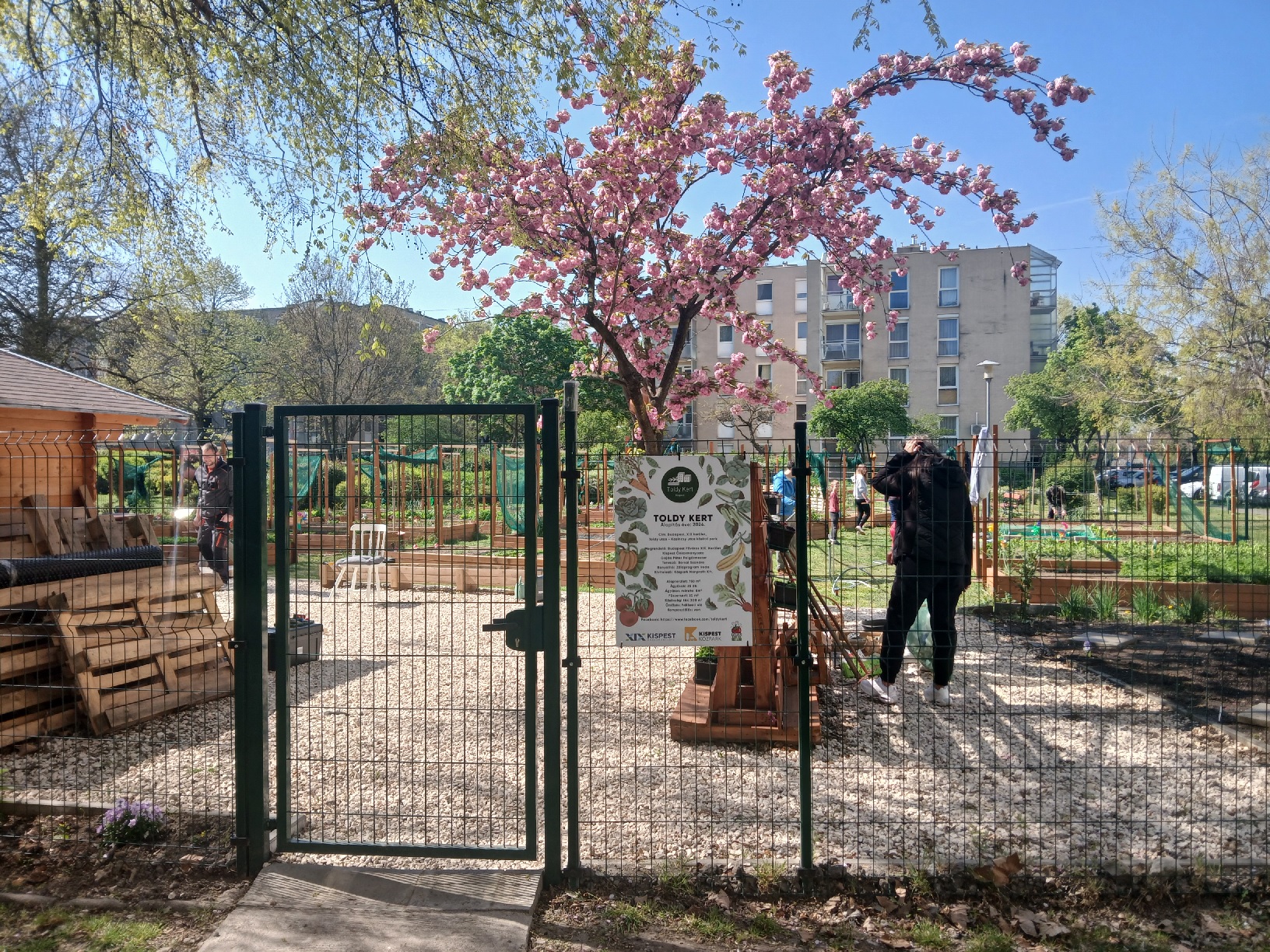
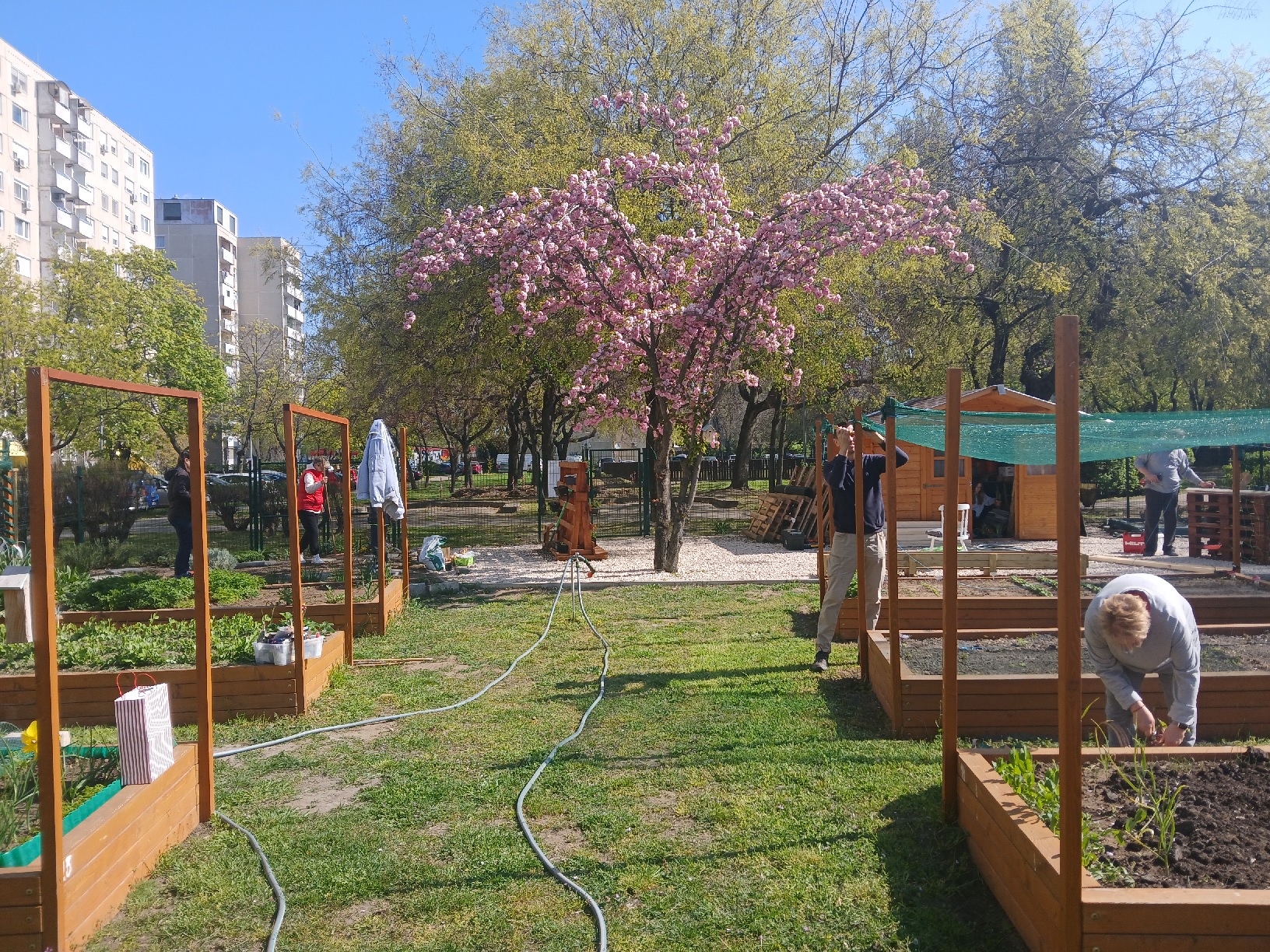
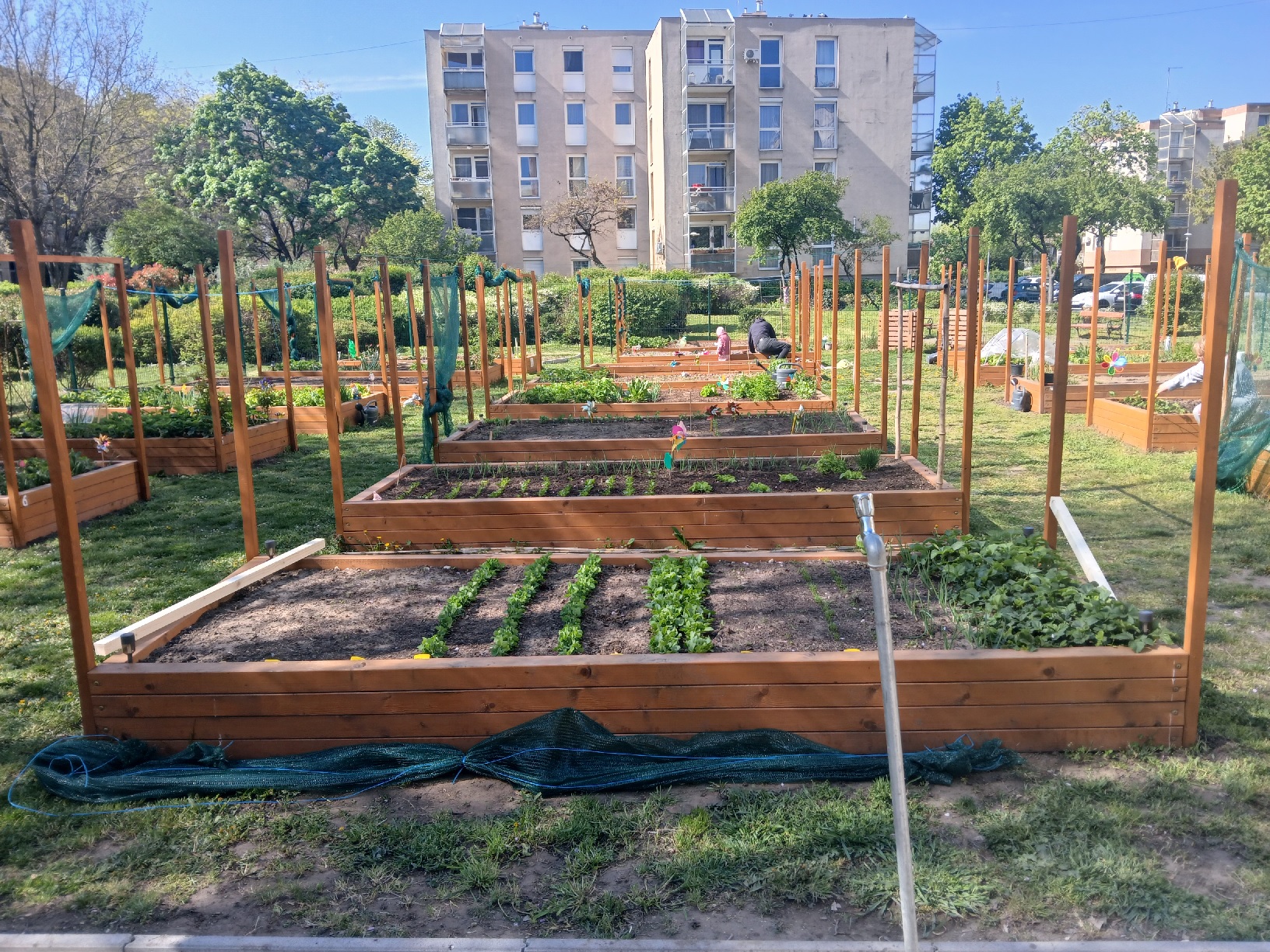
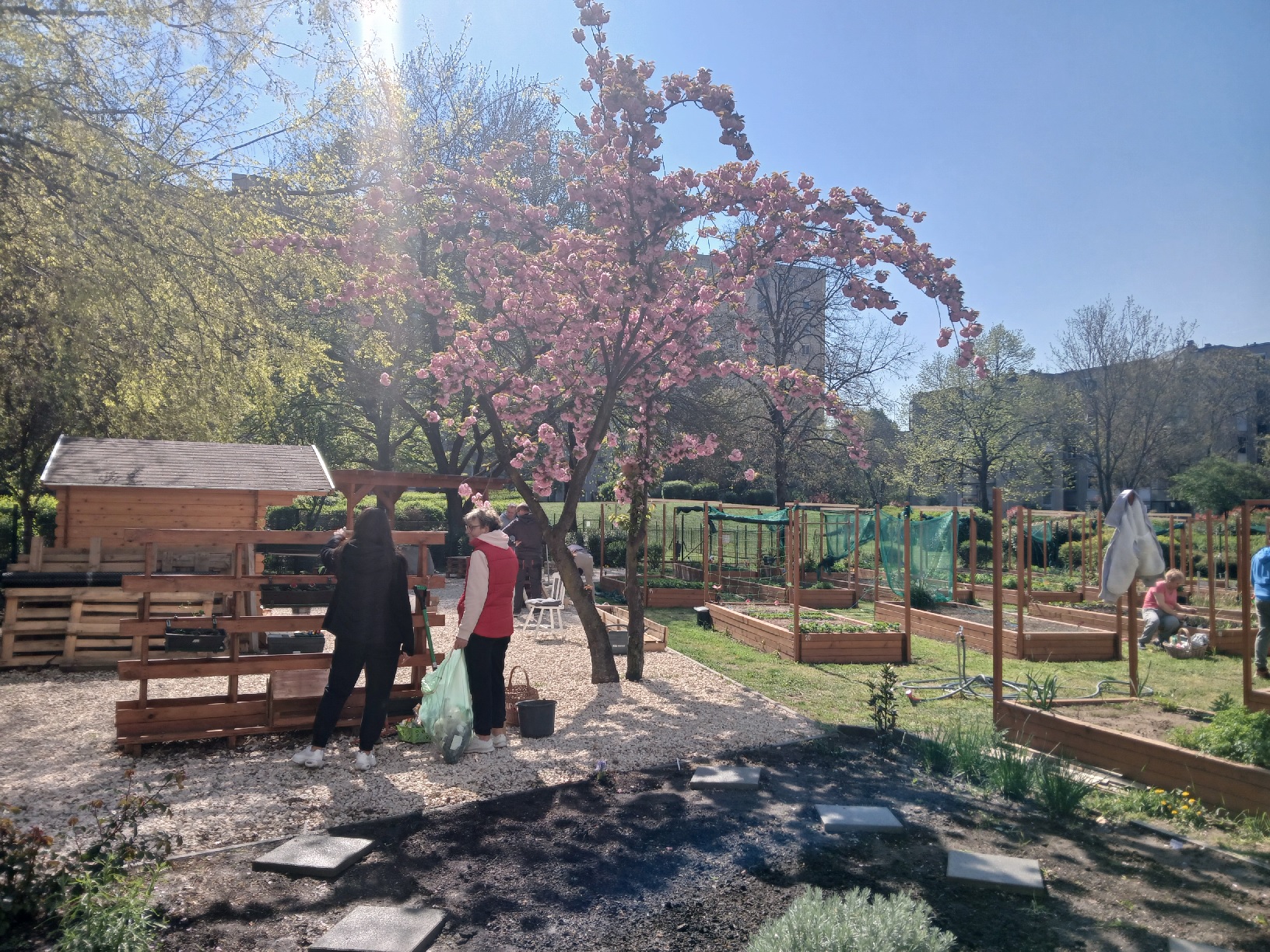
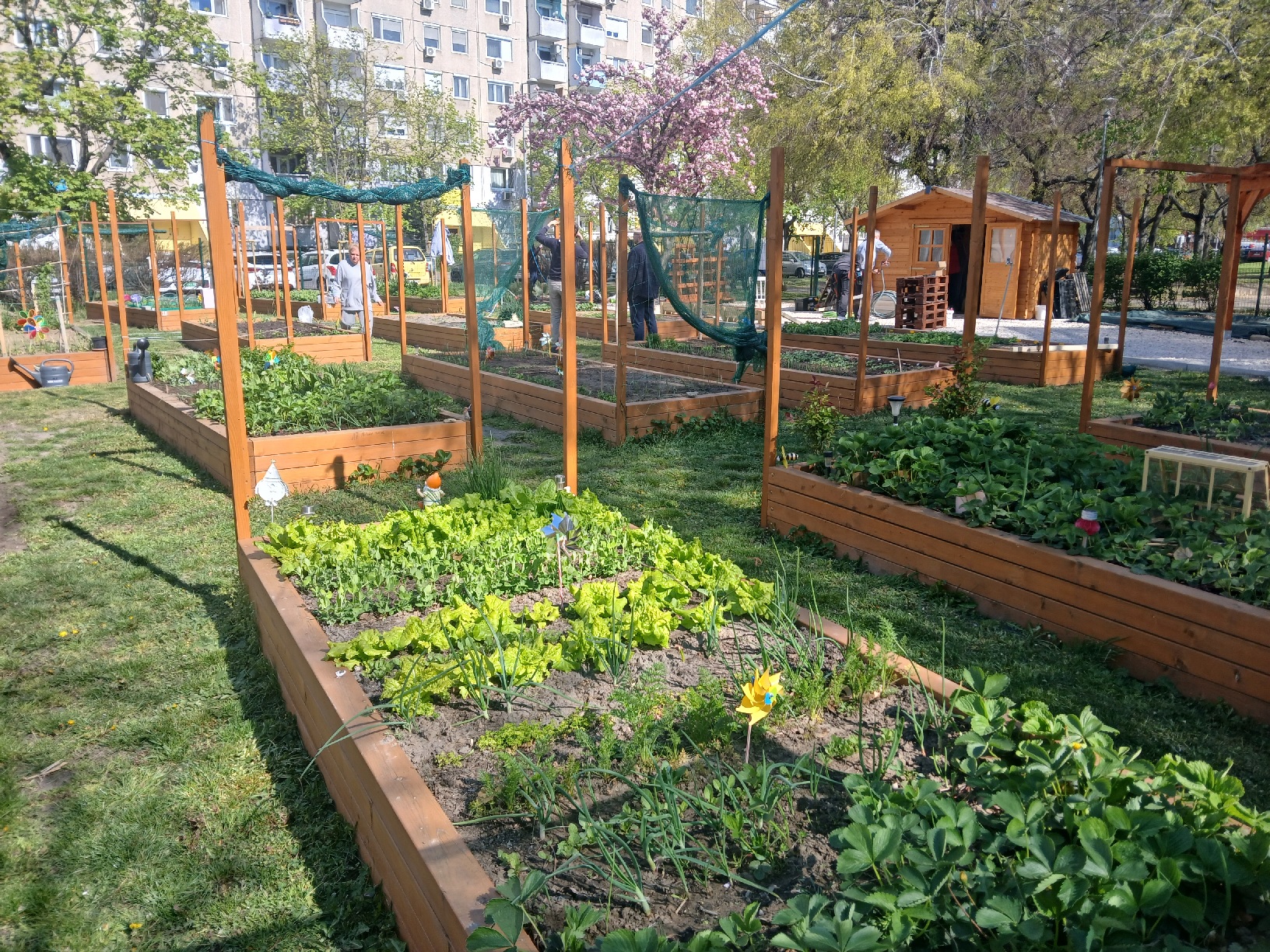
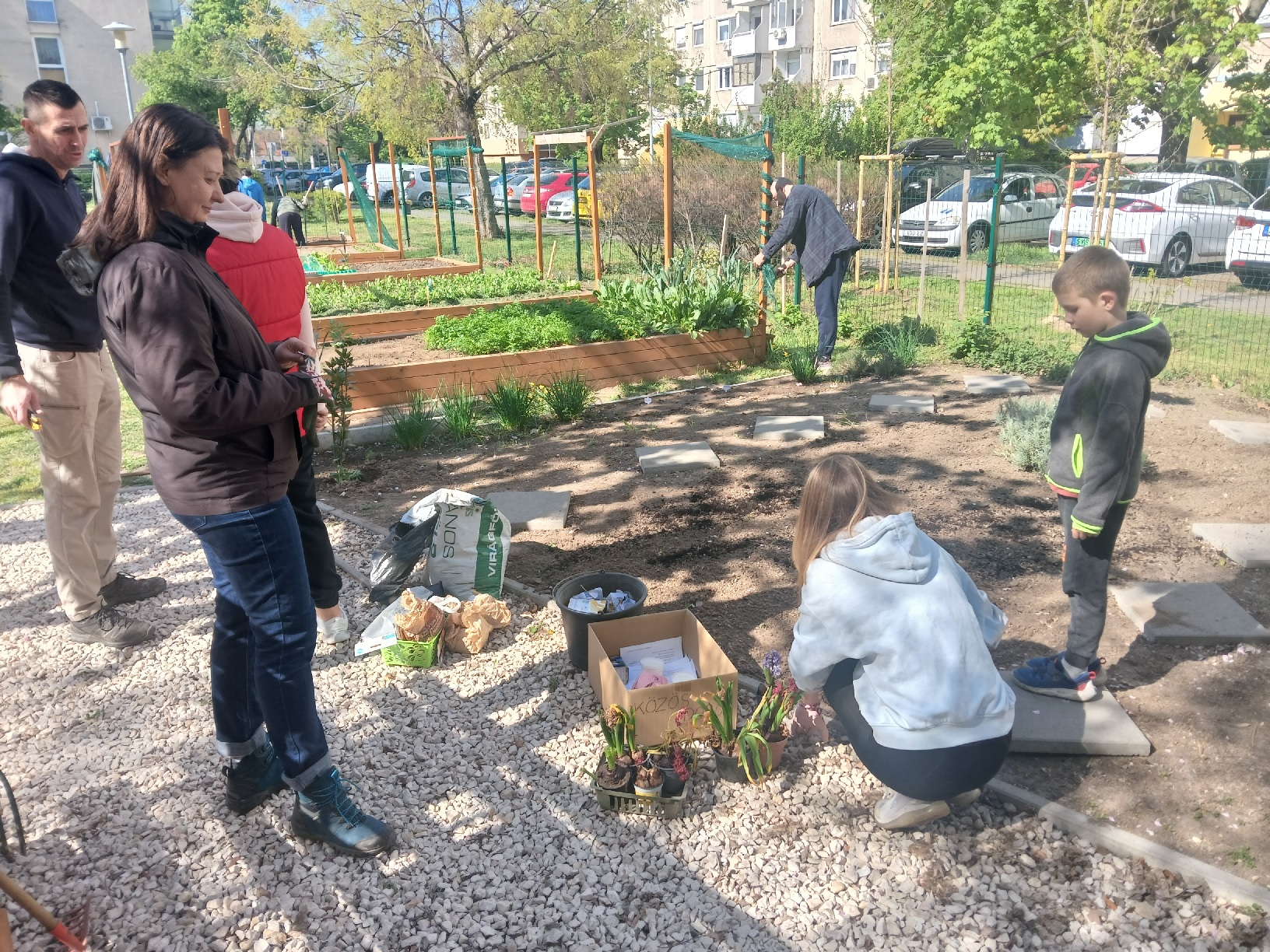
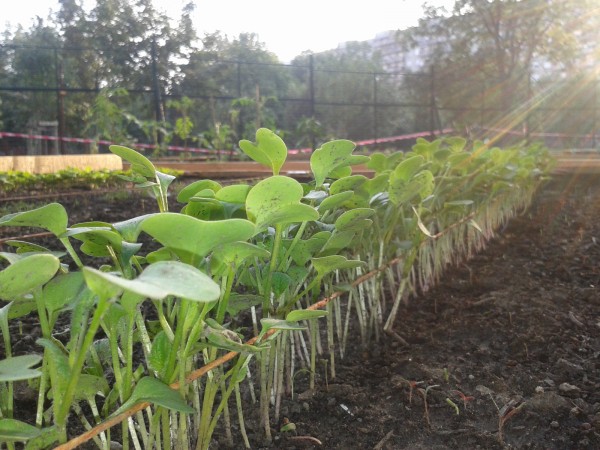
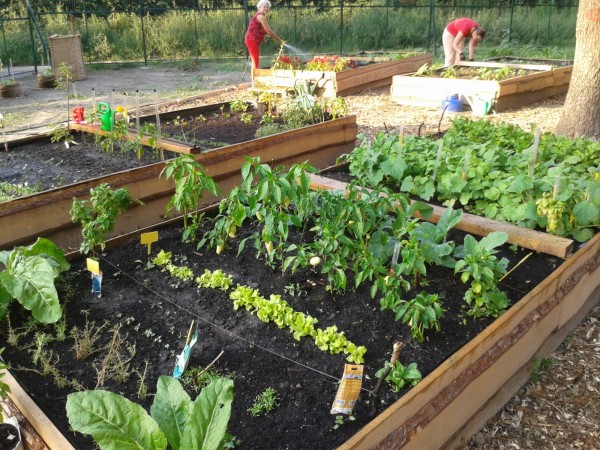
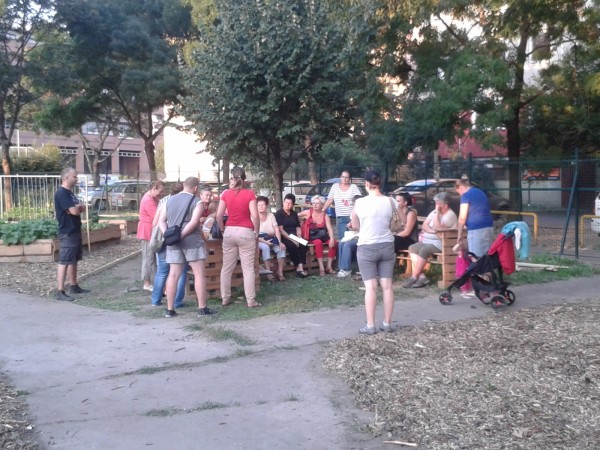
A Toldy kertben ültető és építő nap volt, jó volt elmenni, megnézni, mi történik a kertben már nélkülem.
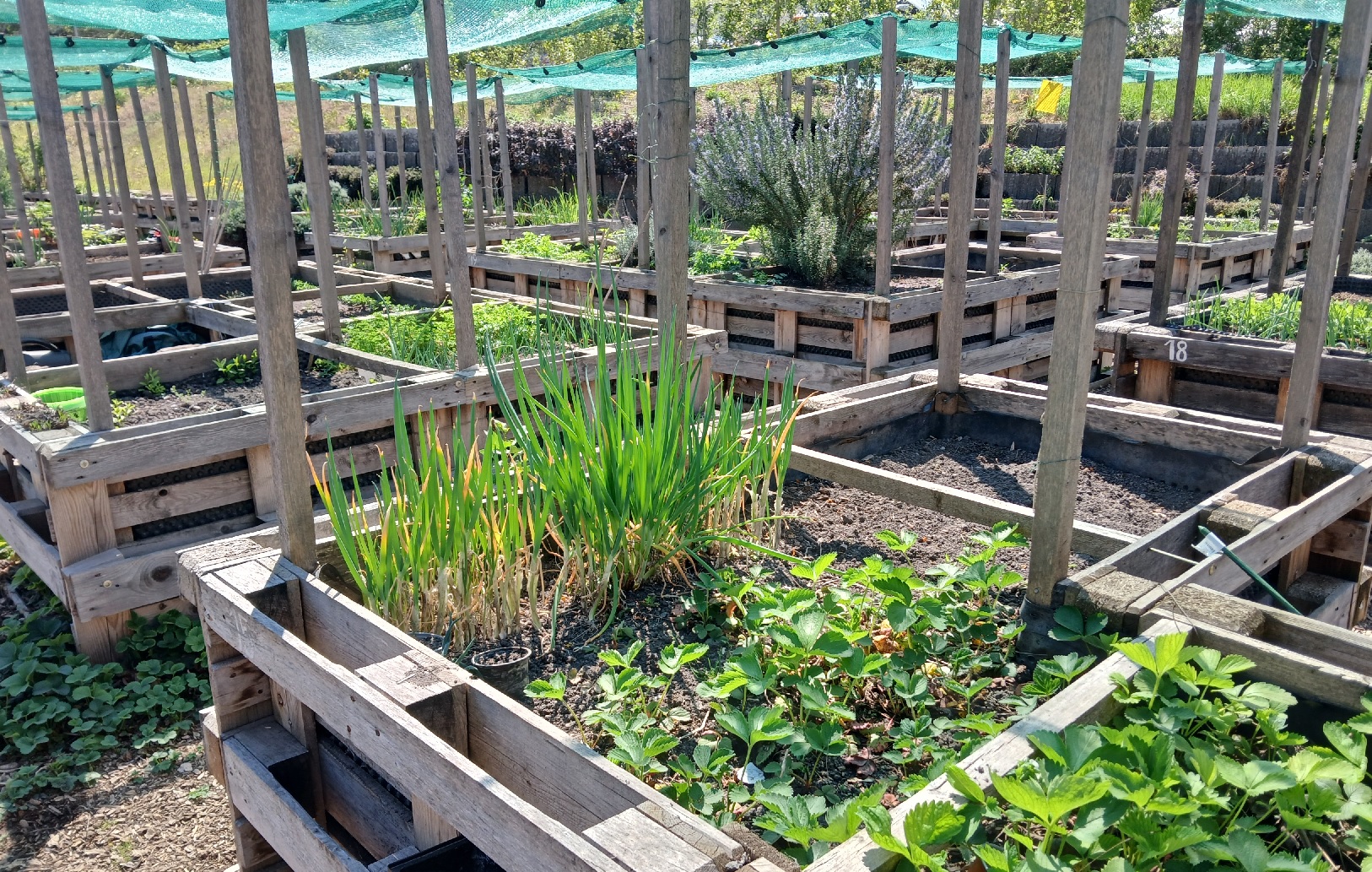
Azt gondolom, jó szezonjuk lesz. Nagyon profik az ágyások, tettre kész a csapat, jó élmény volt az egész. Hasznos és szép nap.
Képek a Toldy kertből:

Gardens of Crisis
Prologue
It seems that 2026 will also be a very difficult year, at least here in Europe, though I don’t think the energy crisis will stop at the continent’s borders. Just as the 2020 COVID-19 pandemic was a global experience, this current crisis will affect everyone. There will be an economic crisis, unemployment, and a lack of money. Saving money and frugality will be among the most important concepts in the coming period, and self-sufficiency will be one of the most rewarding activities. Experts are already sounding the alarm, and we will soon enter a period of economic crisis. This is inevitable. It would be wise to start thinking ahead and begin organizing new crisis gardens, because they will be sorely needed.
I wrote this article back in April 2020, and it looks like it will be relevant again in the near future.
World War I crisis gardens, Liberty Gardens
World War I was essentially a European internal war, which caused a food crisis on the continent because the conscription of young men working in agriculture led to a labor shortage and, consequently, crop failures; furthermore, the mutual naval blockade blocked the trade and transport of food. All of this led to severe supply problems during the war, and afterward, a famine on the European continent was prevented only with American aid.
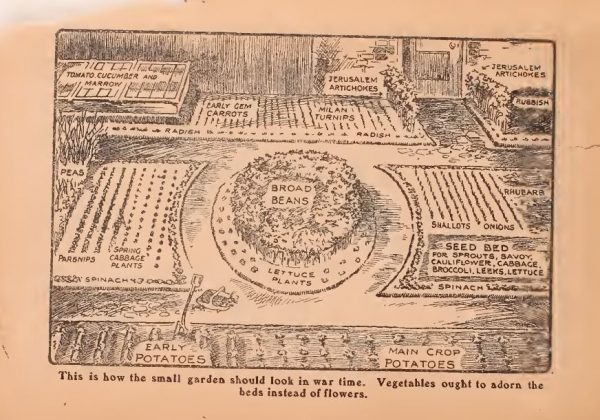
The Liberty Gardens movement was launched in the Anglo-Saxon world to create the conditions for self-sufficiency, and it quickly spread to all the wartime countries and later to the United States as well. When the U.S. entered the war, in response to President Woodrow Wilson’s call, Americans took up vegetable gardening en masse to avoid potential food shortages. The true purpose of achieving self-sufficiency in these wartime gardens was to free up large-scale agricultural products for export to the European continent. Backyards, vacant urban lots, railroad lands, and school gardens were all put to use. According to data from the U.S. Department of Agriculture in 1918, 5.2 million urban gardeners produced crops worth $525 million.

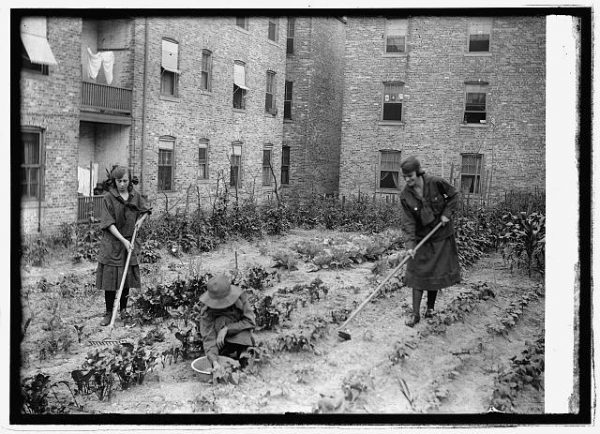
A garden plan from the period of World War I.
Patriotic posters from the First World War.
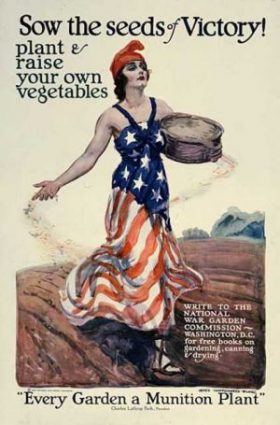
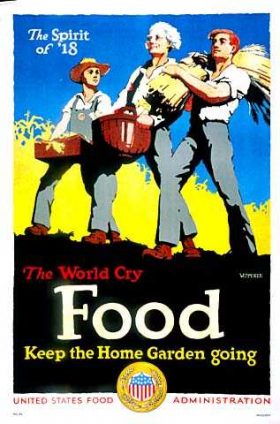

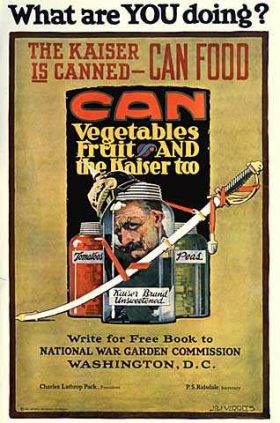


During World War I, the United States became the world’s leading supplier of seeds due to a seed shortage in Europe. Seed catalogs from the World War I era.


Young people were also involved in the self-sufficiency movement, and existing school garden programs were further developed.

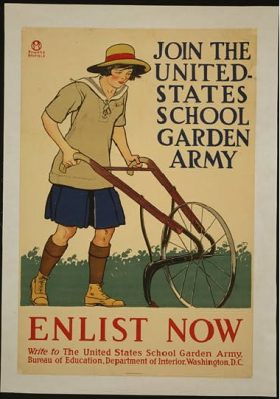
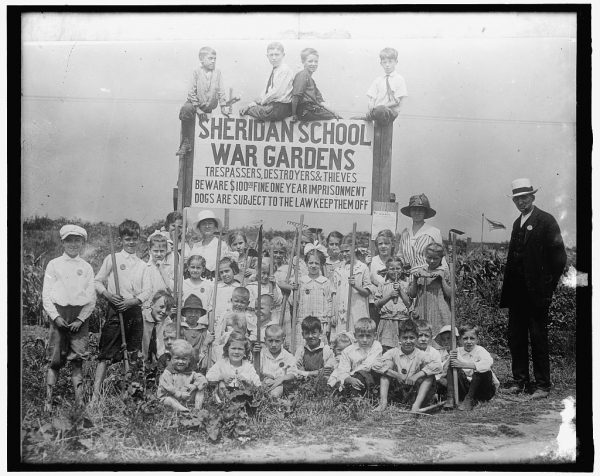
The Allotment Act, a land law designed to promote self-sufficiency, has been in effect in England since 1892. Under this law, local governments are required to provide plots of land to applicants, who could use these plots to grow vegetables and fruit for themselves and their families. During the war, food purchased in stores was often expensive and of poor quality, so home-grown fruits and vegetables contributed significantly to the family’s nutrition and health. The plot of land allocated by local governments was approximately 300 square meters, which provided enough produce for a family of four for the entire year.
World War I also raged on the food production front, and conservation was essential.




The Great Depression, 1929 – Crisis Gardens
During the crisis of the 1930s, the urban population turned once again to self-sufficiency and urban agriculture; local food production was part of survival strategies, served as a source of savings, and provided participants with activities, a sense of community, and high-quality food.

Dorothea Lang: The migrant mother
The community garden program launched by local governments has faced numerous challenges. Organizers have debated the size, location, and layout of the gardens: Should the gardens consist of individual plots, or should they be cultivated as larger, undivided parcels? Who is eligible to participate in the program, and how should the available land be allocated? Where should crisis gardens be established? Would the economic crisis last long enough to make it worthwhile to establish crisis gardens? It later turned out that the crisis lasted quite a long time, and the vast majority of participants came from among the many unemployed families.
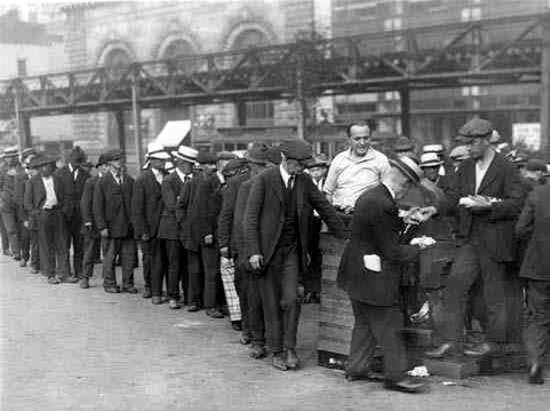
Soupline
Thrift garden

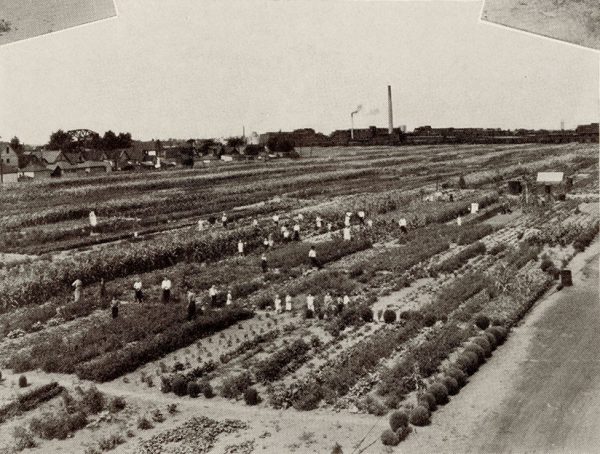
In 1933, Franklin Delano Roosevelt became President of the United States with the New Deal program. In the years that followed, relief gardens received government support, thereby resolving these disputes; local governments and community organizations took over the establishment and management of the relief gardens. Two main types of relief garden programs were implemented: on the one hand, a public works program—in today’s terms—was launched, where gardeners produced staple foods for schools, hospitals, and free public meal programs in exchange for wages; on the other hand, support was provided for urban gardens established for self-sufficiency and backyard farming. An important implementing agency of the New Deal was the WPA (Work Progress Administration), which, for example, provided support for 5,000 small-scale urban crisis gardens in New York. According to later calculations, every dollar invested yielded a profit of $5 for the gardeners annually.


Those who owned their own land were encouraged to take in unemployed people who could grow crops for themselves. Seeds and supplies were provided for the crisis gardens.
Interestingly, the response to the crisis gardens was not entirely positive; many farmers criticized the program, believing it perpetuated the economic crisis by reducing demand for their large-scale agricultural products.

Community gardens improved the health, quality of life, and mental well-being of urban gardeners by providing them with a sense of purpose and generating benefits for their cultivators, while also producing food and providing employment opportunities for participants. Moreover, they were fully aware of the other benefits of community gardening; they protected their members from social decline and social and personal marginalization. In times of crisis, processes of social decline always intensify: alcoholism, acts of violence, crime, and the number of suicides increase. The gardens were a great help in overcoming the crisis mentally.

Bony and Clyde
It is interesting to note that the phenomenon of “land grabbing” quickly spread in industrial cities, where people would find unused, uncultivated land within or outside the city and immediately begin farming it, even illegally. In other cases, shantytowns sprang up in public spaces; many people lost their homes—for example, a Hooverville (a shantytown named after President Herbert Hoover) was established in Central Park in Manhattan.

Hooverville NYC, Central park
By 1938, the crisis had passed and been replaced by the rearmament program; at the same time, the earlier successes of the crisis gardens and the positive experiences associated with them greatly facilitated the rapid expansion and widespread adoption of the Victory Gardens program during the next world war.
World War II, Victory Gardens
England, the Battle of the Atlantic.
The U-boat war—the war between submarines and merchant ships—ultimately aimed to cut off England’s food supply and strangle the island. Due to its historical colony-building traditions, England had not been self-sufficient in food for the past two hundred years; it obtained half to two-thirds of its food from its overseas territories. The German submarine fleet’s mission was not to sink warships, but to “torpedo” merchant shipping—ultimately, to starve England.


In England, a very strict rationing system was introduced from the very first moments of the war, and every effort was made to revive the World War I gardening movement, known as Victory Gardens.


The Victory Gardens operated until the end of the war, and the rationing system continued even longer. With government assistance, they produced everything they could, and women were sent to the countryside to do farm work in place of the men who had been drafted into the military.

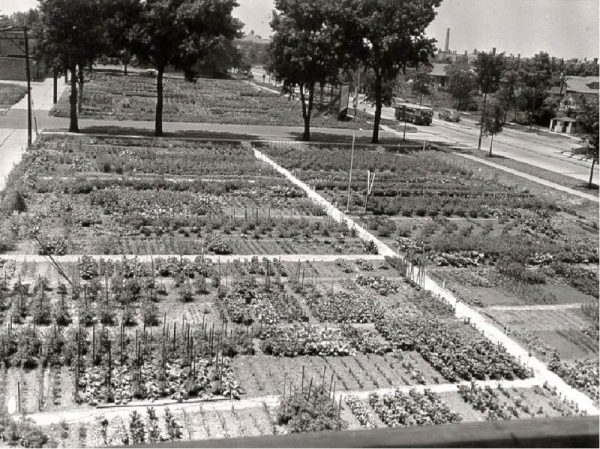
In the United States, the War Food Administration established the National Victory Gardens program, which set five main objectives:
- to reduce the demand for commercial vegetables, thereby making supplies for the armed forces and exports to other countries more readily available;
- to reduce the demand for strategic materials used in food processing and canning, as the canning industry had been almost entirely converted to meet wartime needs.
- alleviate the burden on the railways by promoting local production and consumption
- maintain the health and well-being of Americans and support public acceptance of the war through the outdoor cultivation of vegetables
- a special program was launched for the local preservation of produce (Community Cannery)
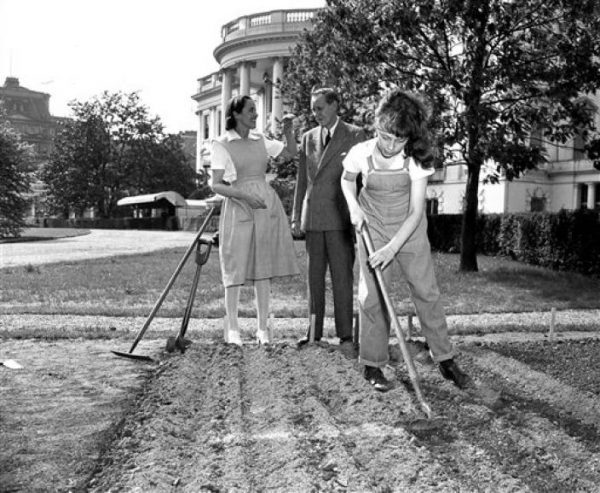
In 1943, Eleanor Roosevelt, the president’s wife, also established a Victory Garden in front of the White House, but this was just one among the millions of Victory Gardens operating across the United States.
In 1942, seed sales increased by 300%; more than 20 million vegetable gardens were cultivated, yielding an estimated 4 to 5 million kilograms of fruits and vegetables annually, with 44% of the United States’ fresh vegetables being grown for personal consumption. In 1943, American families purchased 315,000 canning pots for preserving vegetables.

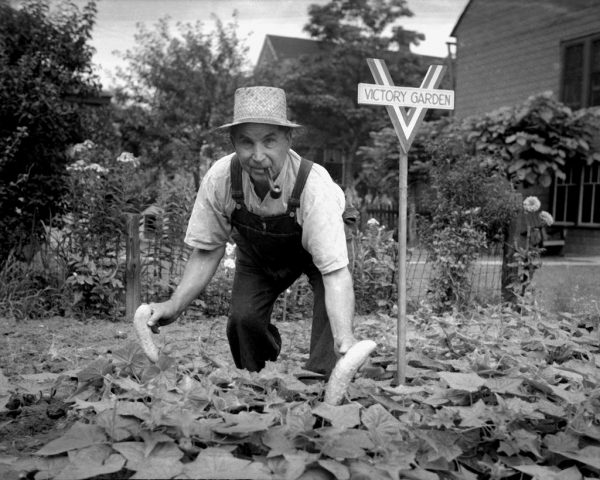
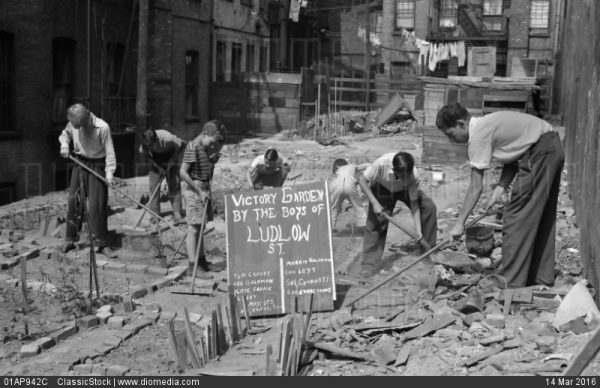
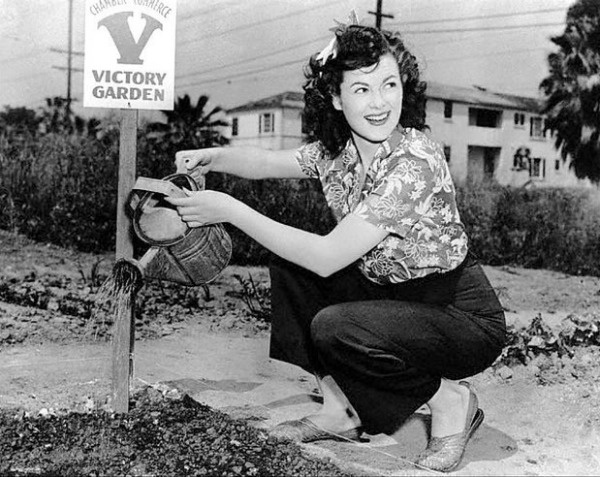



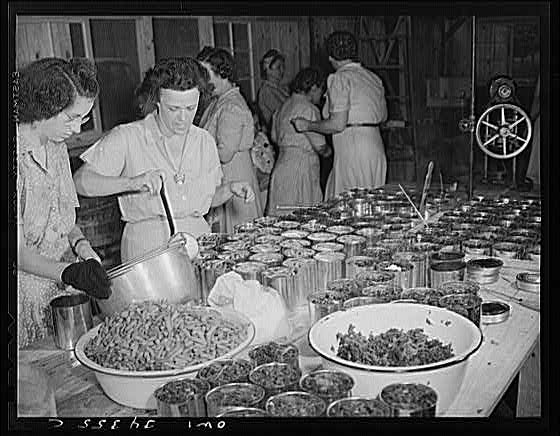
They did not focus solely on production and self-sufficiency; the Food Fight for Freedom program also included the rationalization of food distribution, the introduction of a rationing system, the centralization of recycling and scrap metal collection, the promotion of home canning and storage, and the introduction of voluntary agricultural labor. Interestingly, the introduction of the rationing system made the population’s food supply more balanced, improved consumers’ health, and eliminated dietary disparities between social classes.
After the war ended, the gardens disappeared almost immediately; only a very small number managed to survive the peace, as school gardens or, in some cases, early community gardens.
The gardens of COVID-19
Global crises are rare occurrences; I can recall perhaps two in my own lifetime. The first was the 1973 oil crisis, when the Arab member states of OPEC imposed an oil embargo during the Yom Kippur War. At that time, the price of oil rose by 400%.
The second was the 2020 COVID-19 pandemic, which swept across the world, bringing economic shutdowns and lockdowns. Here in Hungary, it was interesting that gardens offered an escape from “house arrest”; community gardens were also bustling with activity, of course, in accordance with the pandemic prevention rules we devised ourselves. In 2020, there were no price hikes, no shortages of goods; gardening was more about escaping the confines of the home, and its mental health benefits were crucial. The crisis now unfolding will be different: energy poverty will trigger runaway prices, inflation, economic shutdowns, and unemployment. It’s going to be ugly.
Válságok kertjei
Ezt a cikket még 2020 áprilisában írtam, és úgy tűnik újra aktuális lesz a közeljövőben.
A Közösségi kertek könyvemből vettem ki az Első Világháború kertjei, a Nagy Gazdasági Világválság és a Második Világháború kertjei alfejezeteket. Kicsit kibővítettem és kerestem hozzá még adatokat, példákat és képeket.
Első Világháború válságkertjei, Liberty Gardens, Szabadság kertek
Az első világháború alapvetően európai belháború volt, amely a kontinensen okozott élelmiszerválságot, mert a mezőgazdaságban dolgozó fiatal férfiak besorozása munkaerőhiányt okozott, és ez által terméskiesést, másrészt a kölcsönös tengeri blokád akadályozta az élelmiszerek kereskedelmét és szállítását. Mindez súlyos ellátási gondokhoz vezetett a háború alatt, és utána pedig csak amerikai segítséggel kerülték el az éhségjárványt az európai kontinensen.
Az angolszász területen elindították a Szabadság kertek (Liberty Gardens) mozgalmat, az önellátás feltételeinek megteremtéséért, amely azután gyorsan elterjedt az összes hadviselő országban és később az Egyesült Államokban is. Amikor az USA belépett a háborúba, Woodrow Wilson elnök felhívására az amerikaiak tömegesen vállalták a zöldségkerteket alapítását, az esetleges élelmiszerhiány elkerülésére. A háborús kertekben elért önellátás célja valójában, a nagyüzemi mezőgazdasági termékek felszabadítása volt, amelyeket az európai kontinensre lehetett exportálni. Művelésbe vonták a hátsókerteket, üres városi grundokat, vasúti területeket, iskolai kerteket. 1918-ban az USA Agrárminisztérium adatai szerint 5,2 millió városi kertész 525 millió dollár értékű terményt állított elő.
Kertterv az első Világháború időszakából.
Hazafias plakátok az Első Világháború időszakából.
Az Egyesület Államok az Első Világháború alatt a világ, vezető vetőmag-szállítójává vált, mivel Európában vetőmag-hiány alakult ki. Vetőmag katalógusok az Első Világháború időszakából.
Az ifjúságot is bevonták az önellátás mozgalomban, a meglévő iskolakert programokat tovább fejlesztették.
Angliában 1892-től létezik az Allotment Act, az önellátást elősegítő földtörvény, amelynek értelmében a helyi Önkormányzatok kötelesek földterületet biztosítani az igénylőknek, akik ezeken a területeket megtermelhették a saját és családjuk zöldség, gyümölcs szükségletét. A háború alatt a boltokban vásárolt ételek gyakran drágák és rossz minőségűek voltak, így a házilag termesztett gyümölcsök és zöldségek nagyban hozzájárultak a család élelmezéséhez és egészségéhez. Az önkormányzatok által juttatott termőterület körülbelül 300 négyzetméter volt, amely egész évre elegendő termést biztosított egy négyfős család eltartásához.
Az első világháború az élelmiszer előállítás frontján is dúlt, fontos volt a takarékosság.
A Nagy Világgazdasági Válság, 1929 The Great Depression – Válságkertek
A harmincas évek válságidőszakában a városi lakosság újra az önellátás és a városi mezőgazdaság felé fordult, a helyi élelmiszer termelés része volt a túlélési technikáknak, megtakarítási forrást jelentettek, valamint elfoglaltságot, közösséget és jó minőségű élelmiszert adott a résztvevőknek.
Dorothea Lang: The migrant mother
Az önkormányzatok által indított válságkert program számos problémával szembesült. A szervezők a kertek méretéről, helyszíneiről és felépítéséről vitatkoztak: Vajon a kertekben külön-külön ágyások legyenek, vagy nagyobb oszthatatlan parcellákat műveljenek? Ki jogosult a programban való részvételre, milyen módon osszák ki a lehetséges földterületeket? Hol alakuljanak válságkertek? Vajon a gazdasági válság elég hosszú ideig tart-e ahhoz, hogy érdemes legyen válságkerteket alapítani? Utóbb kiderült, hogy a válság meglehetősen hosszan eltartott, a résztvevők döntő része pedig munkanélküli családok sokaságából kerültek ki.
Soupline
Takarékosság kert – Thrift garden
1933-ban Franklin Delano Roosevelt lett az Egyesült Államok elnöke a New Deal programmal. A következő években állami támogatásban részesültek a válságkertek, így megoldódtak ezek a viták, az önkormányzatok és helyi szerveződések vették át a válságkertek alapítását és irányítását. Központilag kétféle válságkert programot valósítottak meg: egyrészt mai szóval fizetett közmunkaprogramot indítottak, ahol a kertészek fizetésért cserébe iskolák, kórházak, és az ingyenes tömegétkeztetés számára termeltek alapélelmiszereket, másrészt támogatták az önellátásra alakult városi kerteket, háztáji termelést. A New Deal fontos végrehajtó szervezete volt a WPA (Work Progress Administration), amely például New Yorkban 5000 kis léptékű városi válságkerthez adott támogatást. Későbbi számítások szerint minden befektetett 1 dollár, 5 dollár hasznot hozott a kertészei számára évente.
Azokat, akiknek saját földjük volt, arra buzdították, hogy fogadjanak be munkanélkülieket, akik saját részre termelhettek. Magvakat és kellékeket biztosítottak a válságkertek számára.
Érdekes módon nem volt egyértelműen pozitív megítélése a válságkerteknek, sok mezőgazdasági termelő elítélte válságkertek programot, mivel azt gondolták, hogy fenntartja a gazdasági válságot, mivel csökkent az érdeklődés a nagyüzemi mezőgazdasági termékeik iránt.
A válságkertek javították a városi kertészek egészségét, életminőségét és szellemi-mentális állapotát azáltal, hogy elfoglaltságot adtak, hasznot teremtettek a művelőiknek, miközben élelmet termeltek és munkalehetőséget biztosítottak a részvevők számára. Ráadásul pontosan tisztában voltak a közösségi kertészetek egyéb hasznaival, megóvták a tagjaikat a zülléstől, a társadalmi és egyéni ellehetetlenüléstől. A válsághelyzetekben mindig felerősödnek a züllési folyamatok: növekszik az alkoholizmus, erőszak cselekmények, bűnözés és öngyilkosságok száma. A kertek nagy segítséget jelentettek a válság mentális leküzdésében.
Bony and Clyde
Érdekes, hogy az iparvárosokban gyorsan elszaporodott a „földfoglalás” jelensége, ahol kihasználatlan, műveletlen területet találtak a városon belül, vagy kívül, azonnal művelés alá vették, akár illegálisan is. Más esetekben meg bádogvárosok alakultak ki köztereken, számosan vesztették el az otthonaikat, például Manhattanben a Central Parkban is létesült egy a Hooverville (Hoover falu – Herbert Hoover elnökről elnevezett nyomortelepek).
Hooverville NYC, Central park
1938-ra a válság elmúlt, a helyét átvette a fegyverkezési program, ugyanakkor a válságkertek korábbi sikerei és a hozzájuk fűződő pozitív tapasztalatok, sokban megkönnyítették a következő világháború alatt a Győzelem kertek program gyors felfutását és eltömegesedését.
Második Világháború, Győzelem kertek – Victory Gardens
Anglia, az Atlanti csata.
Az U boot háború, a tengeralattjárók és a kereskedelmi hajók háborúja végső sorban Anglia élelmiszer utánpótlásának elvágásáról szólt, a sziget megfojtásáról. Anglia, a gyarmatosító történelmi hagyományai miatt az elmúlt kétszáz évben nem volt élelmiszer önellátó, a tengeren túli birtokaikról szerezték be az élelmiszerek felét-kétharmadát. A német tengeralattjáró flotta feladta, nem a hadihajók elsüllyesztése volt, hanem a kereskedelmi hajózás „megtorpedózása”, végső soron Anglia kiéheztetése.
Angliában, a háború első pillanatától bevezettek egy igen szigorú jegyrendszert, és minden eszközzel elősegítették az első világháborús kertmozgalom újjáéledését, Victory Gardens, Győzelem kertek néven.
A Győzelem kertek a háború végéig működtek, a jegyrendszer még tovább. Állami segítséggel termeltek mindet, amit lehetett, illetve a besorozott mezőgazdaságban dolgozó férfiak helyett nőket vezényletek vidékre, mezőgazdasági munkára.
Az Egyesült Államokban a War Food Administration szervezet megalapította a Nemzeti Győzelemkert (Victory Gardens) programot, amely öt fő célt tűzött ki:
- csökkentse a zöldségfélék kereskedelme iránti keresletet, és így tegye elérhetőbbé a fegyveres erők ellátását és más országokba való exportot.
- csökkentse az élelmiszer-feldolgozásban és a konzervkészítésben használt stratégiai anyagok iránti igényt, a konzervipart szinte teljes mértékben átállították a hadi igények kielégítésére.
- enyhítse a vasút leterheltségét, a helyi termelés és fogyasztás elősegítésével
- a zöldségfélék szabadban történő előállításával tartsa fenn az amerikaiak egészségügyi jólétét és támogassa a háború elfogadottságát
- a termények helyi tartósítására külön programot indítottak (Community Cannery)
1943-ban, Eleanor Roosevelt az elnök felesége is Győzelem kertet alakított ki a Fehér Ház elülső részére, de ez csak egy volt, az USA-ban működő sok millió Győzelmi kert mellett.
1942-ben a vetőmag kereskedelem 300%-l nőtt, több mint 20 millió kerti zöldséges ágyást műveletek, becslések szerint évente 4-5 millió kilogramm gyümölcs- és zöldségfélével, az Egyesült Államok friss zöldségének 44% át termelték meg saját felhasználásra. 1943-ban az amerikai családok 315 000 befőzéshez használatos kuktát vásároltak zöldségek konzerváláshoz.
Nem csak a termelésre és önellátásra koncentráltak, a Food Fight for Freedom program magában foglalta az élelmiszer elosztás racionalizálását, a jegyrendszer bevezetését, az újrahasznosítás, fémhulladék gyűjtés központosítását, az otthoni tartósítás és raktározás elősegítését, és az önkéntes mezőgazdasági munka bevezetését. Érdekes módon a jegyrendszer bevezetése kiegyensúlyozottabbá tette a lakosság élelmiszer ellátását, egészségesebbé tette a fogyasztókat és eltüntette a társadalmi osztályok közötti élelmezési különbségeket.
A háború befejezése után a kertek szinte azonnal eltűntek, kifejezetten kis számban voltak képesek túlélni a békét, iskolakertként, esetleg korai közösségi kertekként.
A 2020-as válság
Úgy tűnik, hogy 2020 is egy súlyosan terhelt év lesz, talán a következő is, globális élmény lesz a gazdasági válság, munkanélküliség és a pénztelenség. A pénzmegtakarítás és takarékosság lesz a következő időszak egyik legfontosabb szava, az önellátás pedig az egyik legkifizetődőbb tevékenység. Erre kezdenek ráébredni az önkormányzatok szerte a világban, elindulnak a helyi kezdeményezések, de még mind gyermekcipőben járnak, most elsősorban a járvány köti le a döntéshozók figyelmét. Azonban a járvány el fog múlni, és utána belépünk a gazdasági válság időszakába. Ez elkerülhetetlen. Érdemes lenne már előre gondolkodni, elkezdeni szervezni az új válság kerteket, mert nagy szükség lesz rájuk.

Energy poverty and rising food prices
It seems Europe is heading straight into the next crisis: an economic collapse resulting from energy shortages and rising prices. Even if the Strait of Hormuz were to reopen tomorrow, Europe would still not escape an energy crisis. EU leaders are preparing to impose the same restrictions we saw during the COVID-19 pandemic: everyone should save energy, avoid driving, work from home, and cut back wherever possible. At least summer is coming, so Europe won’t freeze to death.
However, there will be a significant general rise in prices, with food prices in particular skyrocketing.
Over the past century, a green revolution has taken place in agriculture, with mechanization, automation, new breeding methods, genetic engineering, and, more recently, even artificial intelligence becoming integral to mass food production. This was a true paradigm shift, resulting in humanity overcoming Thomas Robert Malthus’s population growth barrier—that is, modern agriculture produces more food than global population growth demands, especially considering that the world’s population has now reached 8.2 billion. Of course, not everyone benefits equally from the fruits of food production, but it can be said that we have succeeded in eliminating famines on Earth. Cheap energy has become the most important foundation of modern life; our technological civilization is endlessly energy-hungry, and everything we call prosperity depends on cheap energy.
Rising energy costs, whether for fuel or natural gas, will significantly drive up the cost of food production. The fuel consumption of agricultural machinery, the soaring prices and reduced availability of natural gas-based fertilizers, the rising cost of irrigation energy, and transportation costs will all increase, and a significant rise in food prices is expected. The equation is simple: without fertilizers, yields will be lower; without mechanization, efficiency will be lower; and with more expensive fuel, more costly machinery and transportation, food prices will rise globally. Here in Europe, food prices will rise; in the world’s less fortunate regions, there will be famine. This will lead to serious social tensions everywhere.
Let’s take a closer look at global poverty. Today, 800 million people worldwide live in extreme poverty—that is, on the equivalent of $3.50 a day—primarily in Africa, certain countries in the Middle East, and parts of Asia. If we focus only on poverty defined as living on $5.50 a day, that number rises to 3.4 billion people—nearly half the world’s population. (Our World in Data/poverty). One measure of poverty is what percentage of their income an individual or family spends on food. Those living in extreme poverty spend their entire income on food or survive on international humanitarian aid. The poor, on the other hand, spend 50–80% of their income on food, meaning that rising food prices will severely affect them; they will experience a sharp decline in their standard of living, and many will slip into the category of extreme poverty.
A rise in food prices could have a number of consequences: increased global poverty, rising socio-political tensions, the collapse of governments, growing chaos, the destabilization of entire regions, and the onset of another wave of mass migration—as we saw in 2015.
The wars and political turmoil of recent years have made global energy exports extremely uncertain. Energy has become a weapon and a tool for putting pressure on others; the possession and export—or blocking—of energy resources are all tools of power. It is no coincidence that energy infrastructures (Nord Stream pipeline, Iranian oil fields, etc.) have become prime targets. It appears that rising prices for energy sources and raw materials will persist for a long time; repairing deteriorated or bombed-out infrastructure cannot be done overnight. It would be wise to prepare for the impact.
Europe will be hit hardest by the conflict over energy resources; it has virtually no source from which to obtain hydrocarbons—at least not cheaply. This will further undermine the continent’s competitiveness and drive up prices; the effects are already being felt, but the situation will become critical by the second half of the year. We’re already hearing about a rationing system planned for fuel—what if this ends up applying to food as well? It will be interesting to see how our modern societies, which have never experienced anything like this before, will cope.
What can be done in this situation? We need to adopt the practices of crisis gardens and wartime self-sufficiency. Anyone with a garden should create raised beds and grow food for self-sufficiency; this is the best way to mitigate the crisis. Community gardens should increase production as much as possible. I fear there will be looting and crop theft; if energy shortages and rising food prices occur, people will not respect the work of community gardeners and will take whatever they can.
What is math?
Over the past decade and a half, we have compiled garden statistics from several gardens. The results showed that in urban gardens, a single square meter of garden bed yielded approximately 10,000 forints worth of produce, with an investment of 2,000 forints—meaning that self-sufficient gardens can generate a 400% return. By the way, this ratio was also observed in the crisis gardens of the First and Second World Wars. If inflation and food prices spiral out of control, this ratio will be even higher.
Numbers in the Community garden
Spring is here. If you have the opportunity, plant and grow crops, because it will pay off—a serious crisis is coming. It’s worth revisiting self-sufficiency practices, because you’ll need them.
Energiaszegénység és élelmiszer áremelkedés
Úgy tűnik, Európa éppen szalad bele a következő válságba, ez az energiahordozók hiányából, illetve drágulásából következő gazdasági bedőlés lesz. Még ha a Hormuzi szorost holnap sikerülne megnyitni, az energiaszegénységet akkor sem fogja Európa megúszni. Az EU vezetés már a Covid19 járvány során megismert korlátozásokat készül bevezetni, mindenki spóroljon az energiával, ne autózzon, dolgozzon otthonról, spóroljon, ahol tud. Még szerencse, hogy jön a nyár, Európa legalább megfagyni nem fog.
Viszont lesz egy erős általános drágulási folyamat, főleg az élelmiszerárak fognak elszállni.
Az elmúlt évszázadban a mezőgazdaságban végbement egy zöld forradalom, gépesítés, automatizálás, új nemesítési módszerek, géntechnológia, sőt az utóbbi időben a Mesterséges Intelligencia is beszállt az élelmiszerek tömeges előállításába. Ez egy igazi paradigmaváltás volt, az lett az eredménye, hogy az emberiség meghaladta a Thomas Robert Malthus féle növekedési gátat, vagyis több élelmiszert termel a modern mezőgazdaság, mint a globális népesedés növekedése, főleg annak tudatában annak, hogy közben 8,2 milliárdan lettünk a bolygón. Természetesen nem mindenki részesedik egyenlő mértékben az élelmiszertermelés eredményeiből, de azért elmondható, hogy sikerült megszüntetni a Földön az éhségjárványokat. Az olcsó energia lett a legfontosabb alapeleme a modern életnek, a technikai civilizációnk végtelenül energiaéhes, minden, amit jólétnek nevezünk az olcsó energia függvénye.
A dráguló energia, legyen az üzemanyag, vagy földgáz, nagyon meg fogja drágítani az élelmiszertermelést, mezőgazdasági gépek üzemanyagéhsége, a földgázból készülő műtrágyák árának elszabadulása és mennyiségi csökkenése, az öntözési energia drágulása, és a szállítási költségek, mind növekedni fognak, várható, hogy súlyos áremelkedés következik be az élelmiszerek területén. A képlet egyszerű, műtrágyák nélkül kevesebb lesz a termés, a gépesítés nélkül kisebb lesz a hatékonyság, a drágább üzemanyag, költségesebb gépi munka és szállítás, vagyis globálisan minden élelmiszer drágulni fog. Itt Európában élelmiszer drágulás lesz, a világ szerencsétlenebb részein meg éhezés. Ez komoly társadalmi feszültségekhez fog vezetni, mindenhol.
Nézzük egy kicsit a globális szegénységet. Ma a bolygón 800 millió ember él extrém szegénységben, azaz napi 3,5 dollárnak megfelelő összegből, főleg Afrika, a Közel-Kelet egyes országai és Ázsia egyes részei. Ha csak a szegénységre koncentrálunk, ami napi 5,5 dollárnak felel meg, az már 3,4 milliárd ember, majdnem a fele Föld lakosságának. (Our World in Data/poverty). A szegénység egyik mértéke az, hogy az adott egyén, vagy család a jövedelmének hány százalékát költi élelmiszerre? Az extrém szegénységben élők a teljes keresetüket élelmiszerre költik, vagy a nemzetközi humanitárius segélyekből tengődnek. A szegények pedig a keresetük 50-80% költik élelmiszerre, vagyis az emelkedő élelmiszer árak súlyosan fogják őket érinteni, életszínvonal zuhanást élnek meg, és sokan lecsúsznak az extrém szegénység kategóriájába.
Többféle hatással lehet számolni, ha bekövetkezik az élelmiszerárak emelkedése: növekszik a globális szegénység, társadalmi-politikai feszültségek növekedése, kormányok bukása, növekszik a káosz, teljes régiók destabilizálódnak, elindul egy újabb népvándorlási hullám, volt már ilyen 2015-ben.
Az elmúlt évek háborúi és politikai huzakodása végtelenül bizonytalanná tették a globális energiaexportot. Az energia fegyver lett és nyomásgyakorlási eszköz az energiahordozók birtoklása és exportja, vagy blokkolása, mind hatalmi eszköz, nem véletlen, hogy első számú célponttá váltak az energia infrastruktúrák (Északi Áramlat, Iráni olajmezők, stb,). Úgy tűnik, még hosszú ideig fennmarad az energiahordozók és nyersanyagok emelkedő ára, helyrehozni a leromlott, vagy szétbombázott infrastruktúrákat, nem megy egyik napról a másikra. Érdemes lenne felkészülni a becsapódásra.
Az energiahordozók körüli konfliktusban a legnagyobbat Európa fogja zuhanni, gyakorlatilag sehonnan nem tud szénhidrogéneket beszerezni, legalábbis nem olcsón. Ez tovább fogja rontani a kontinens versenyképességét, növeli az árakat, ez már most is érezhető, de az év második felére kritikussá fog változni a helyzet. Már most hallani az üzemanyagok területén bevezetni kívánt jegyrendszerről, mi van, ha ez az élelmiszerekre is igaz lesz? Érdekes lesz megnézni a modern társadalmainkat, akik semmi hasonlót még nem éltek meg.
Mit lehet ebben a helyzetben tenni? Elő kell venni a válságkertek, háborús önellátás gyakorlatát, akinek kertje van, alakítson ki ágyásokat, termeljen önellátásra, ez a legjobb eszköz enyhíteni a válságot. A közösségi kertek, meg növeljék a termelést, amennyire lehet. Félek, hogy lesznek rablások, terménylopás, ha bekövetkezik az energiaszegénység és élelmiszer drágulás, nem fogják tisztelni a közösségi kertészek munkáját, elveszik, amit tudnak.
Mi a matek?
Az elmúlt másfél évtizedben néhány kertben készítettünk kert statisztikákat. Az eredmény az volt, hogy a városi kertekben egy négyzetméter ágyásról, körülbelül 10 ezer forint terményt lehetett betakarítani, 2 ezer forint ráfordítással, vagyis 400%-s haszon realizálható az önellátó kertekből. Egyébként ez az arány jött ki az első és második világháborús válságkertekben is. Ha az infláció és az élelmiszerárak elszaladnak, ez az arány még magasabb lesz.
Itt a tavasz, akinek lehetősége van rá, ültessen, neveljen haszonnövényeket, mert számítani fog, súlyos válság jön, érdemes újra gyakorolni az önfenntartó praktikákat, mert szükség lesz rájuk.
Ez egy nagyon érdekes dokumentumfilm az angliai jegyrendszer működéséről, a második világháborúban.
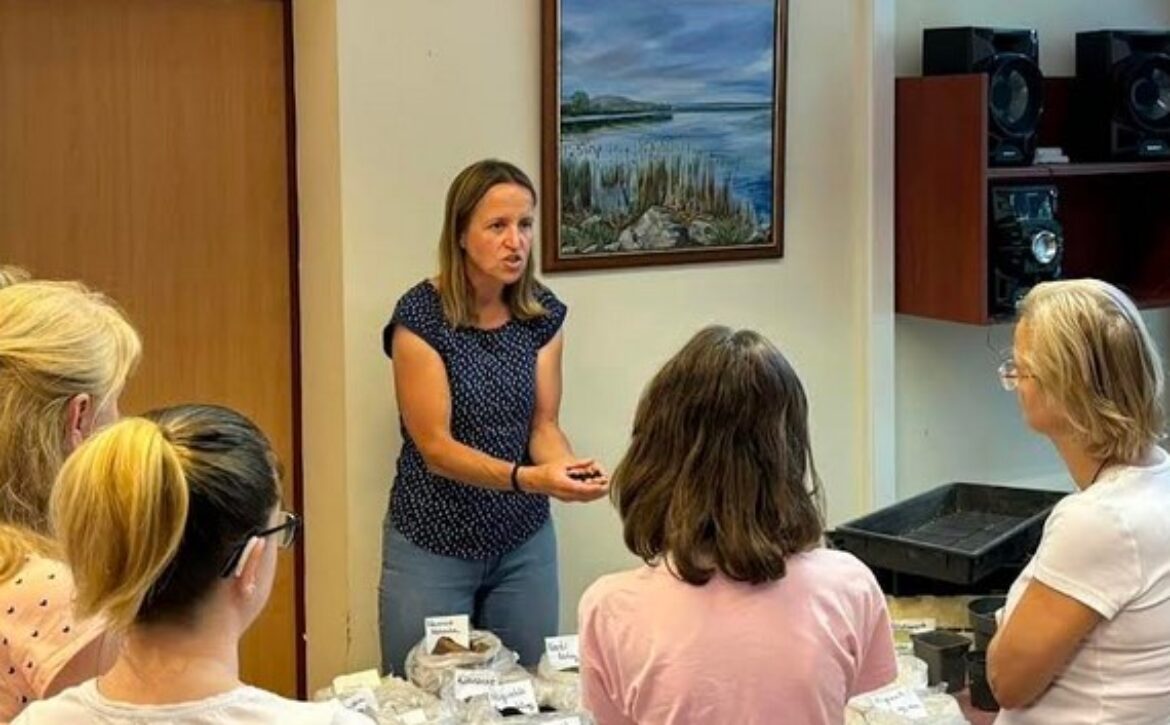
Zsuzsa
Helfné Szabó Zsuzsával több, mint tíz éve dolgozunk együtt a kertek alapításánál. Ez egy nagyon jó munkakapcsolat, sokat tanulunk egymástól és együtt.
Zsuzsa kertészmérnök, magabiztos tanár és határozott egyéniség.
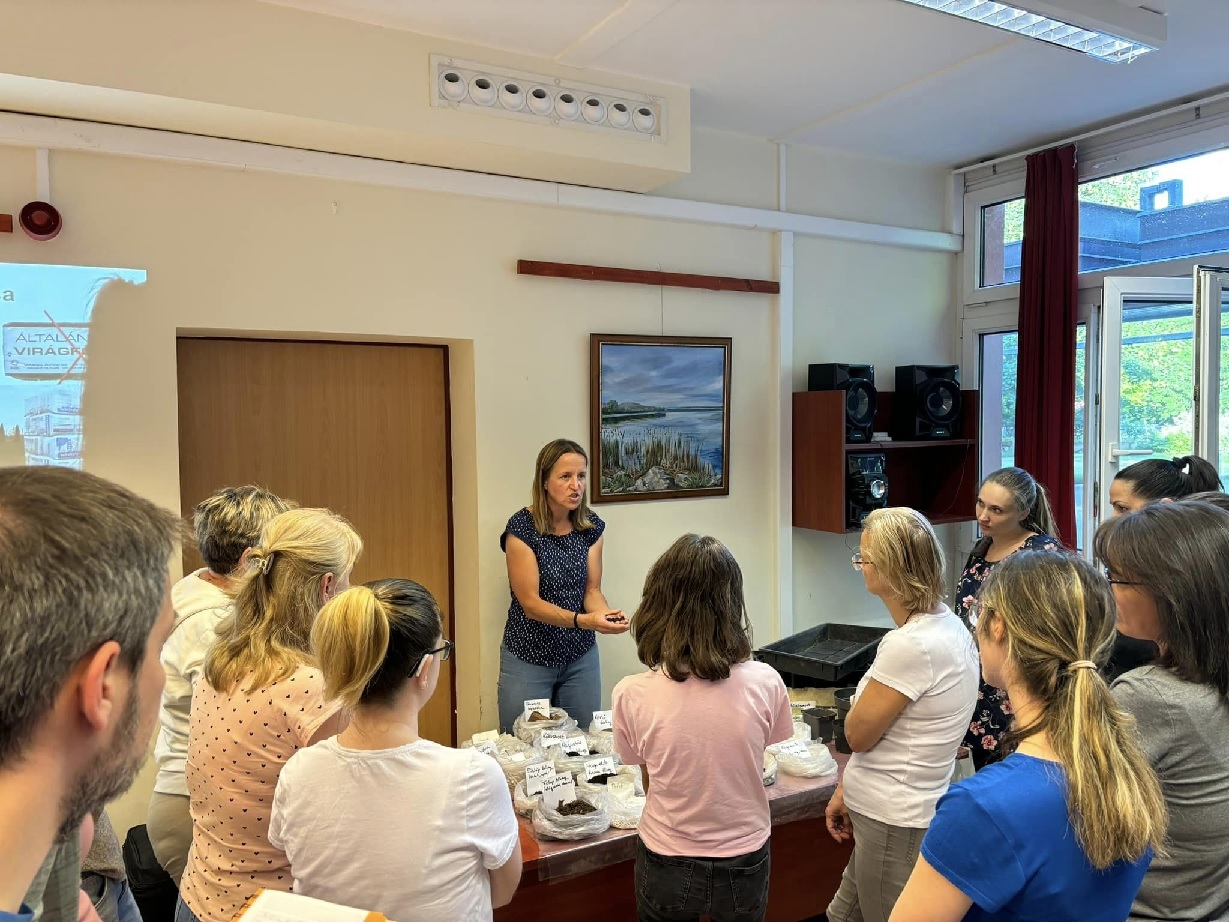
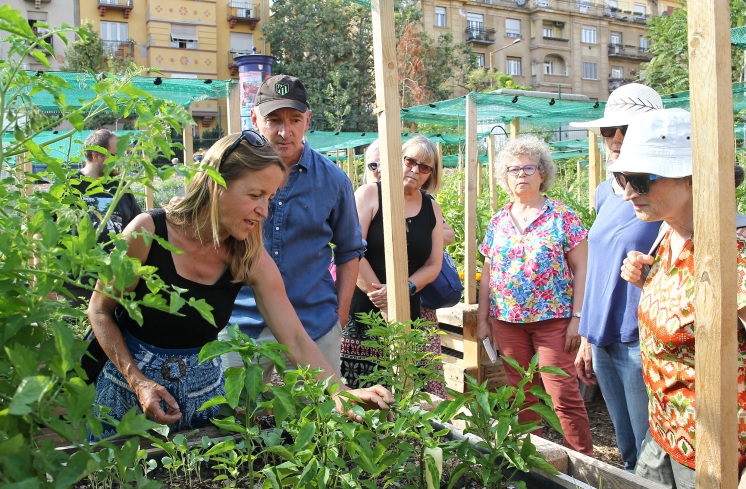
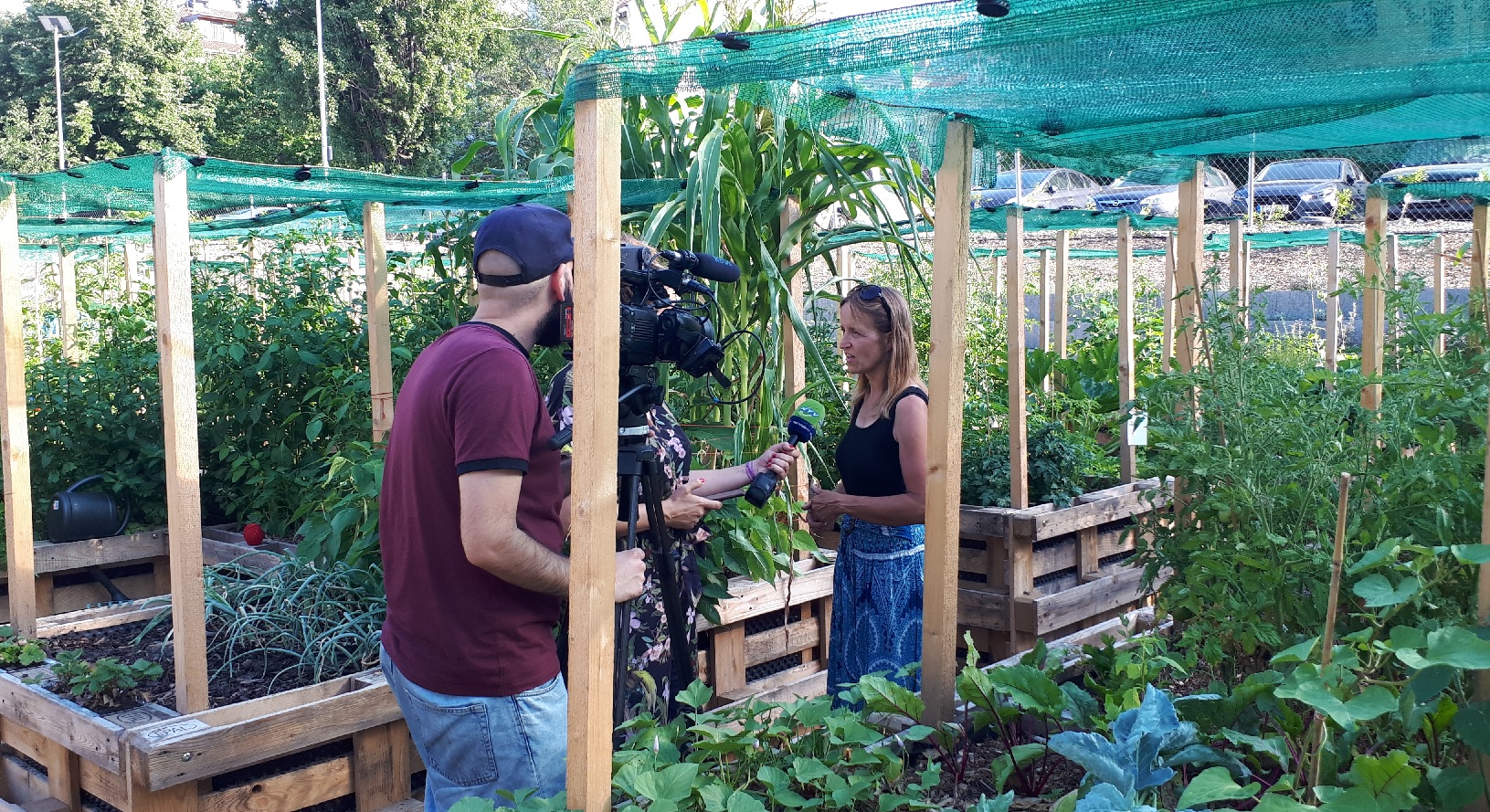
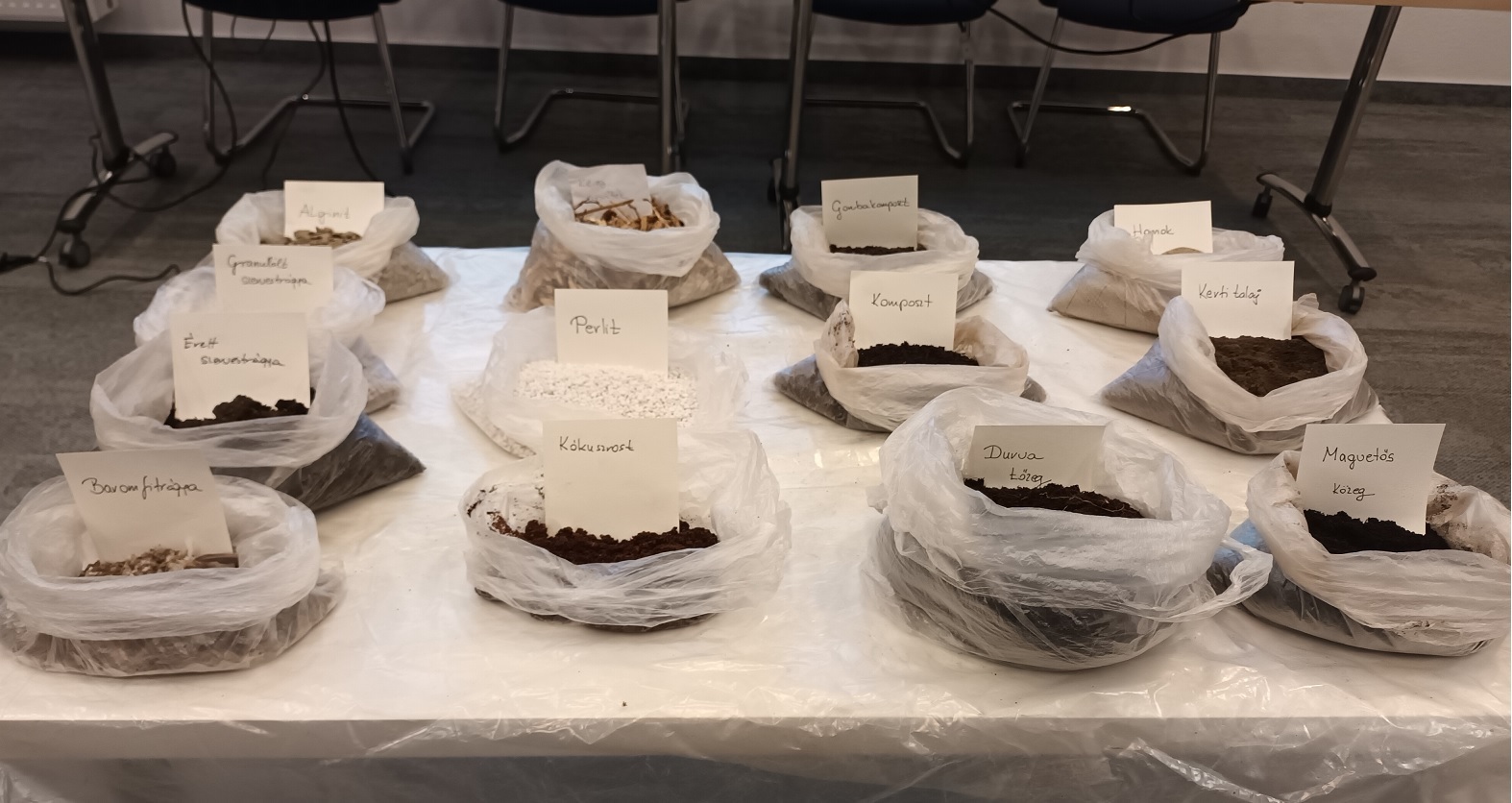
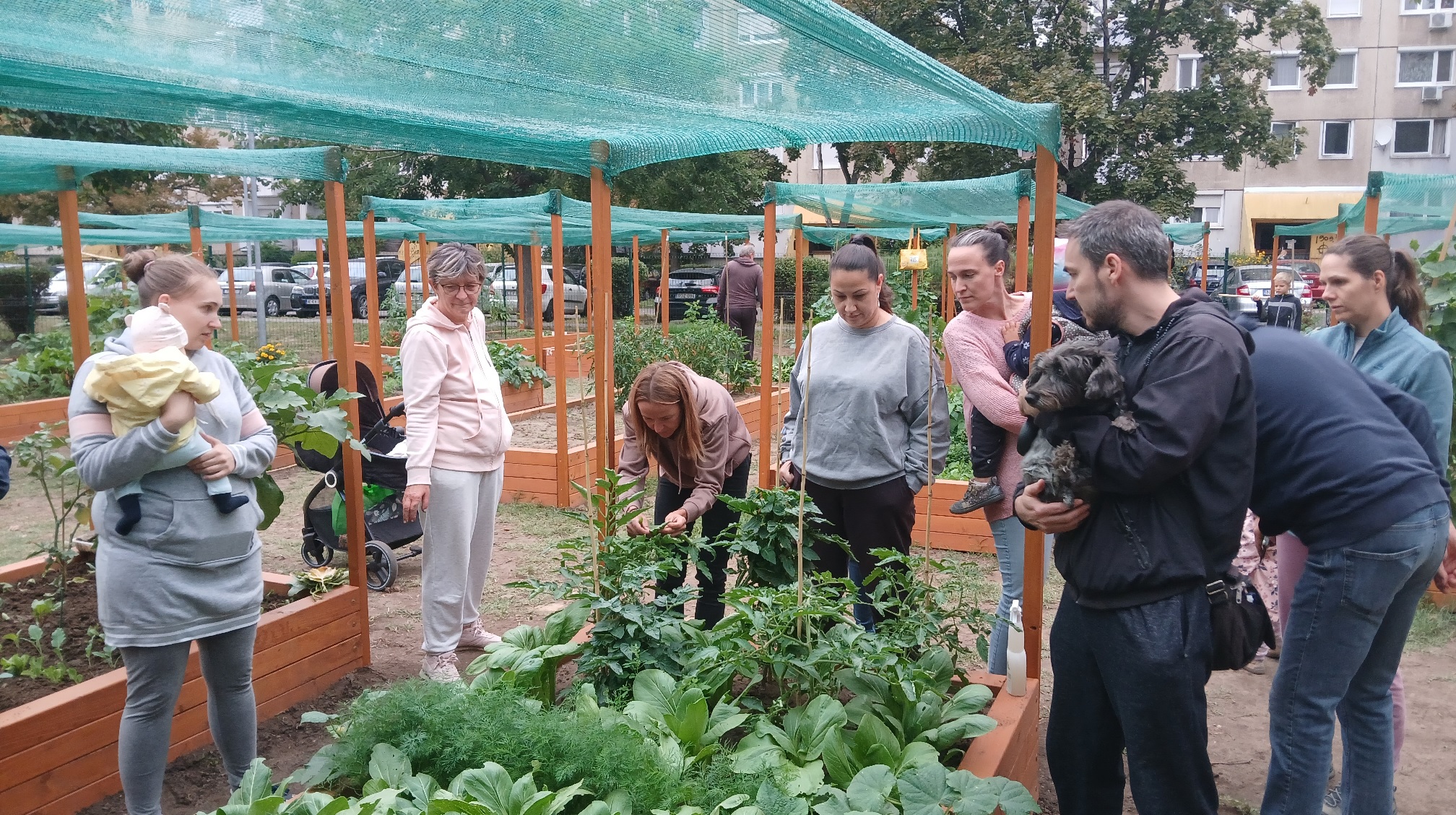
A kertalapításoknál Zsuzsa tartja a kertészoktatásokat, és az első szezon kertészeti tanácsadást, ez minden induló közösségi kertnél elengedhetetlen. Az első szezonban, a kezdésnél tart egy 4 alkalmas tantermi oktatást, majd szezon során 4-5 alkalommal jön a kertbe, ültető nap és utána, amikor a kerttagok kérik, hogy jöjjön. Általában a kártevők és a növénybetegségek felszaporodásakor kell nagyon a segítsége. Ilyenkor ágyásonként ad növény orvosi diagnózist. Ez nagyon fontos, mert sok kezdő kertészt meglepi, hogy mennyi kártevő és növénybetegség létezik a városi kertekben, néha frusztráló a pusztuló növénye látványa. Ráadásul végtelenül szórakoztató részt venni az oktatásokon és a kerti vizitációkon. Én is sokat tanulok tőle.
Zsuzsa vállalkozást indított, Tökmagkert néven, oktatásokat vállal közösségi kerteknek, kertbarát köröknek, érdeklődőknek. Azoknak, akik fejleszteni akarják a kertészeti tudásukat, érdemes részt venni az oktatáson. Szívesen ajánlom.





Közösségi kertek cikksorozat magyarul
Néhány éve cikksorozatot írtam a Kertbarát Magazinnak a közösségi kertekről.
Most felkerült a magazin online felületére az egész sorozat.
Modern közösségi kertek: a kezdetek
Közösségi kert: Hogyan kezdjünk hozzá?
Közösségi kertek 3.: tervezzük meg és vágjunk bele!
Közösségi kertek 4.: építsünk közösséget, ne csak kertet!
Közösségi kertek 5.: egy szezon krónikája
Közösségi kertek 6.: hogyan működtessük sikeresen?


Raised beds in Community Gardens
Design, construction, implementation, amortization, maintenance and replacement.
In community gardens, it is also important that the raised beds are evenly matched, the same size and shape. Everyone will have the same growing space, there is no debate about whether someone has a larger or smaller bed. The garden will not be uniform, commune-like, because each bed will be cultivated differently, planted differently, no two community garden beds will be the same.
In community gardens, the high beds are always cultivated by the same family, as long as they are members of the garden. We don’t change bed cultivators every year. If an urban gardener cultivates the same bed for years, he will pay attention to the maintenance of the bed and the quality of the soil in it. If we change the bed user every year, he will feel less ownership of it, he will not take care of it.
Positioning of high beds
It’s important to have a landscape architect design the garden, who will pay attention to the vegetation, the distance between beds, the walking surfaces. Every garden has an overall picture, and there will be central points in the garden, such as the community space, water taps, the area around the garden gate, etc. All the elements of the community garden need to be harmonised to create a well-functioning garden.
Raised bed designs


The distance between beds.
The experience is that there should be at least 1 metre / 3 ft between beds, partly to accommodate the lawnmower and for safety reasons, and partly to avoid shading the tall plants in the next beds.


Size of high beds
My gardens usually have 6-7-8 square metres of beds, mainly because in a 1000 square metre garden you need to be able to fit 25-30 raised beds, communal space and all the garden accessories. That’s how many beds can comfortably fit.
Beds should be 1.5 metres wide. This is important! Since you are not stepping into the beds, the arm’s length is the relevant distance, the reach-in distance. A width of 1.5 metres helps to cultivate from all sides. You can reach into the whole plot of the bed, for example to clear weeds. For the same reason, it is important that the bed can be walked around and cultivated from all sides.
The beds can be rectangular, but they can also be U-shaped or any arrangement the landscape architect can think of. For beds that are not the usual shape, make sure that you also keep the bed tidy, making it easy to mow or weed the lawn.
Material of raised bed
Most bed frames are made of wood, but they can also be built from demolished bricks, metal or recycled materials, or even prefabricated raised bed frames. In the Böszi Garten, the bed frames are made from pallets. This is also a good solution if you can get it cheaply.
Of the woods, acacia seems to be the most durable, but you can use pine, or more expensive denser woods, or even recycled woods. Be careful that if you use recycled materials, they are not contaminated.


Insulation of the raised bed
Be sure to treat the planks as well as possible against moisture before building the bed. Linseed oil, various stains, possibly tar. This should not be spared and should be repeated every 1-2 years, at least on visible surfaces. The problem is that the wet soil comes into direct contact with the wooden planks, so the wood material rots very quickly. Usually the inside of the bed wall rots and after 6-8 years the whole raised bed needs to be replaced.
Recently, we have started to use thick waterproof plastic sheeting in the construction industry, used to waterproof the foundations of buildings and to provide excellent separation of the wooden bed frame from the wet ground. This solution extends the life of bedding by levels.


Shadowing
In recent years, UV radiation has become so intense in summer that it can destroy plants, so it is worth putting Rascher netting over the bed. This is an industrial mesh, used on building sites or to make potato and onion sacks. It allows water to pass through, but it catches ice and, above all, it filters the sunlight to some extent, so that the plants do not burn in periods of heat and high UV radiation. Wooden poles are placed in the corners of the bed and the netting is stretched between them.


Filling of raised beds, layering.
It is advisable to fill the beds in layers. Tree branches on the bottom, twigs on top, then dry leaves, grass clippings, topsoil, compost and topsoil again. Over time, the bottom layers will start to compost, “blending” our topsoil. You should expect that this topsoil will become densified in the first few seasons, and you will need to ensure that the topsoil is refilled.


The areas around the beds
Whatever the size of the bed, the gardener will soon start to expand. This is what I call “land hunger”, and it is worth putting a stop to it very quickly, although it is impossible. Gardeners start planting outside the bed, in the nearby area of the bed, which takes away from the walking surface, makes it difficult to mow the walking surfaces, and I think it is also accident-prone, because there are so many children in gardens, they can easily trip over these plantings. It is worth discussing this together at the garden meeting and deciding together on the method and quantity of planting.


Blueprints and implementation
Böszi garden beds. The beds are made of pallets with strong insulation and Rascher mesh on top. In the third picture you can clearly see that the bedding is covered on the inside with plastic waterproofing sheeting, so that the wet soil does not come into contact with the wood. It will make the bed more durable.


In the Békási Garden we also used U-shaped beds. This created a compact, well cultivated bed. The garden is now 12 years old and the beds are starting to deteriorate. The community can renew 2-3 beds a year, so over time the entire bed stock will be replaced.


Finally
If you are establishing and building the garden in partnership with the local municipality, it is worth discussing with the municipality’s representatives to calculate all amortisation and include this cost in the annual green space maintenance costs.
Community gardens, in a sense parks, are urban green spaces. They may be cultivated by NGOs, but they are still part of the green spaces of the district or city. A smart municipality is one that helps communities to maintain a garden without too great a financial sacrifice. Replacing beds is usually beyond the financial tolerance of gardens, and municipalities should take this into account.
Magas ágyás
Tervezés, építés, kivitelezés, amortizáció, karbantartás és csere.
A közösségi kertek legfontosabb eleme a magas ágyás. A városi kertekben általában magas ágyást kell használni, mert a városi talaj szinte soha nem alkalmas élelmiszer növények termesztésére, másrészt könnyebb művelni a növényeket.
A közösségi kerteknél az is fontos, hogy egységesek, egyforma nagyok és egyforma alakúak legyenek a magas ágyások. Mindenkinek ugyanakkora termőterülete lesz, nincs vita, hogy valakinek nagyobb, vagy kisebb az ágyása. A kert nem lesz egységes, kommunaszerű, mert minden ágyást más művel, másként ülteti be, nincs két egyforma közösségi kert ágyás.
A közösségi kertekben a magas ágyásokat mindig ugyanaz a család műveli, egészen addig, amíg a kert tagjai. Nem cserélgetjük az ágyások művelőit évente. Ha egy városi kertész éveken keresztül ugyanazt az ágyást műveli, akkor oda fog figyelni az ágyás karbantartására, a benne levő föld minőségére. Ha évente cserélgetjük az ágyás használóját, kevésbé fogja magáénak érezni, nem fogja gondját viselni.
A magas ágyások elhelyezése
Fontos, hogy tájépítész tervezze a kertet, ő oda fog figyelni a benapozottságra, az ágyások közötti távolságra, a járófelületekre. Minden kertnek van egy összképe, illetve kialakulnak súlypontok a kertben, például a közösségi tér, a vízvételi pontok, a kertkapu környéke, stb. A közösségi kert minden elemét összhangba kell hozni, hogy egy jól működő kertet kapjunk.
Ágyástervek
Az ágyások közötti távolság.
A tapasztalat az, hogy legalább 1 méter / 3 ft távolság legyen az ágyások között, részben, hogy a fűnyíró elférjen, illetve biztonsági szempontok is számítanak, harmadrészt ne árnyékolják egymást az ágyásokban magasra növő növények.
A magas ágyások mérete
A kertjeimben általában 6-7-8 négyzetméteresek az ágyások, Ez főleg abból adódik, hogy az 1000 négyzetméteres kertben el kell tudni helyezni 25-30 darab emelt ágyást, a közösségi teret és az összes kert tartozékot. Ennyi ágyás fér el kényelmesen.
Az ágyások legyenek 1,5 méter szélesek. Ez fontos! Mivel az ágyásokba nem lépünk bele, így a kartávolság a mérvadó, a benyúlási távolság. A 1,5 méter szélesség a két oldalról való művelést segíti. Az ágyás teljes területére be tudunk nyúlni, például gazolni. Ugyanezért fontos az is, hogy az ágyás körbejárható, minden oldalról művelhető legyen.
Az ágyások lehetnek téglalap alakúak, de lehetnek U alakúak is, vagy bármilyen elrendezés, amit a tájépítész kitalál. A megszokottól eltérő alakú ágyásoknál arra figyeljünk, hogy az ágyás körül is rendet kell tartanunk, legyen könnyű a gyep nyírása, vagy a gazolás.
A magas ágyás anyaga
Legtöbbször fából készülnek az ágyáskeretek, de lehet építeni bontott téglából, esetleg fémből, vagy újrahasznosított anyagokból, sőt lehet kapni előre gyártott emelt ágyás kereteket is. De például a Böszi kertben raklapokból készültek az ágyások. Ez is egy jó megoldás, ha sikerül olcsón beszerezni.
A faanyagok közül az akác tűnik a legtartósabbnak, de használhatunk fenyőt, vagy drágább tömörebb faanyagokat, esetleg újrahasznosított faanyagokat. Figyeljünk oda, hogy ha újrahasznosított anyagokat használunk, az ne legyen szennyezett.
A magas ágyás szigetelése
Mindenképpen az ágyásépítés előtt a lehető legjobban kezelni kell a deszkákat a nedvesség ellen. Lenolaj, különböző pácok, esetleg kátrány. Ezen nem érdemes spórolni, sőt 1-2 évente meg kell ismételni, legalább a látszó felületeken. A probléma az, hogy a nedves föld közvetlenül érintkezik a fa deszkákkal, így nagyon gyorsan rothadásnak indul a fa anyaga. Általában belülről rothad az ágyás fala, és 6-8 év után az egész ágyáskert cserére szorul.
Az utóbbi időben kezdtük használni az építőiparban használt vastag vízzáró műanyag fóliát, épületek alapozásának vízszigetelésére használják, és kiválóan elválasztja a fa ágyáskeretet a nedves földtől. Ez a megoldás nagyságrendekkel meghosszabbítja az ágyások élettartamát.
Árnyékolás
Az utóbbi években annyira megerősödött nyaranta az UV sugárzás, hogy tönkre tudja tenni a növényeket, ezét az ágyás fölé érdemes Rascher hálót kifeszíteni. Ez egy ipari háló, építkezéseken használják, vagy krumplis és hagymás zsákokat készítenek belőle. Átengedi a vizet, viszont a jeget megfogja, és főleg valamelyest megszűri a napfényt, nem égnek meg a növények a kánikula és magas UV sugárzás időszakában. Az ágyás sarkaiba faoszlopokat állítunk, és ezek között feszítjük ki a hálót.
Az ágyások feltöltése, rétegezés.
Érdemes rétegzett módon feltölteni az ágyásokat. Legalulra faágak, arra gallyak, majd száraz falevél, fűnyesedék, erre kerül a termőföld, komposzt és újra termőföld. Idővel az alsó rétegek elkezdenek komposztálódni, „összeérik” a termőtalajunk. Arra érdemes számítani, hogy ez a feltöltés az első szezonokban tömörödni fog, gondoskodni kell a termőföld utántöltésről.
Az ágyások körüli területek
Bármekkora is az ágyás, a kertész rövid időn belül elkezd terjeszkedni. Ezt nevezem „földéhségnek”, ennek érdemes nagyon gyorsan gátat vetni, bár igazából lehetetlen. A kertészek elkezdenek az ágyáson kívül, az ágyás közvetlen környezetében ültetni, ami elvesz a járófelületből, megnehezíti a járófelületek fűnyírását, szerintem balesetveszélyes is, mert nagyon sok a gyerek a kertekben, simán elbotlanak ezekben a kiültetésekben. Ezt érdemes közösen megtárgyalni a kertgyűlésen és közösen dönteni a kiültetések módjáról és mennyiségéről.
Ágyástervek és megvalósítás
Böszi kert ágyások. Raklapból készültek az ágyások, erős szigeteléssel és Rascher hálóval a tetején. A harmadik képen jól látszik, hogy az ágyás belülről, műanyag vízszigetelő fóliával borítják, így a nedves föld nem érintkezik a faanyaggal. Tartósabb lesz az ágyás.
Békási kert ágyások
A Békási kertben is U alakú ágyásokat használtunk. Ez egy kompakt, jól művelhető ágyást reményezett. A kert már 12 éves és az ágyások kezdenek tönkre menni. A közösség évente 2-3 ágyás tud megújítani, így idővel a teljes ágyás állomány kicserélődik.
Végezetül
Amennyiben a helyi önkormányzattal közösen alapítjuk és építjük a kertet, érdemes megbeszélni az önkormányzat képviselőivel, hogy számoljanak valamennyi amortizációval, és ezt a költséget építsék bele a zöldfelület fenntartási éves költségekbe.
A közösségi kertek, egyfajta parkok, városi zöldfelületek. Lehet, hogy civilek művelik, ettől függetlenül részei a kerület, vagy város zöldfelületeinek. Okos az az önkormányzat, amelyik segíti a közösségeket, hogy túl nagy anyagi áldozatok nélkül tudják fenntartani a kertet. Az ágyások pótlása általában meghaladja a kertek pénzügyi tűrőképességét, jó ha az önkormányzatok ezzel számolnak.

The community builds something, while community building works
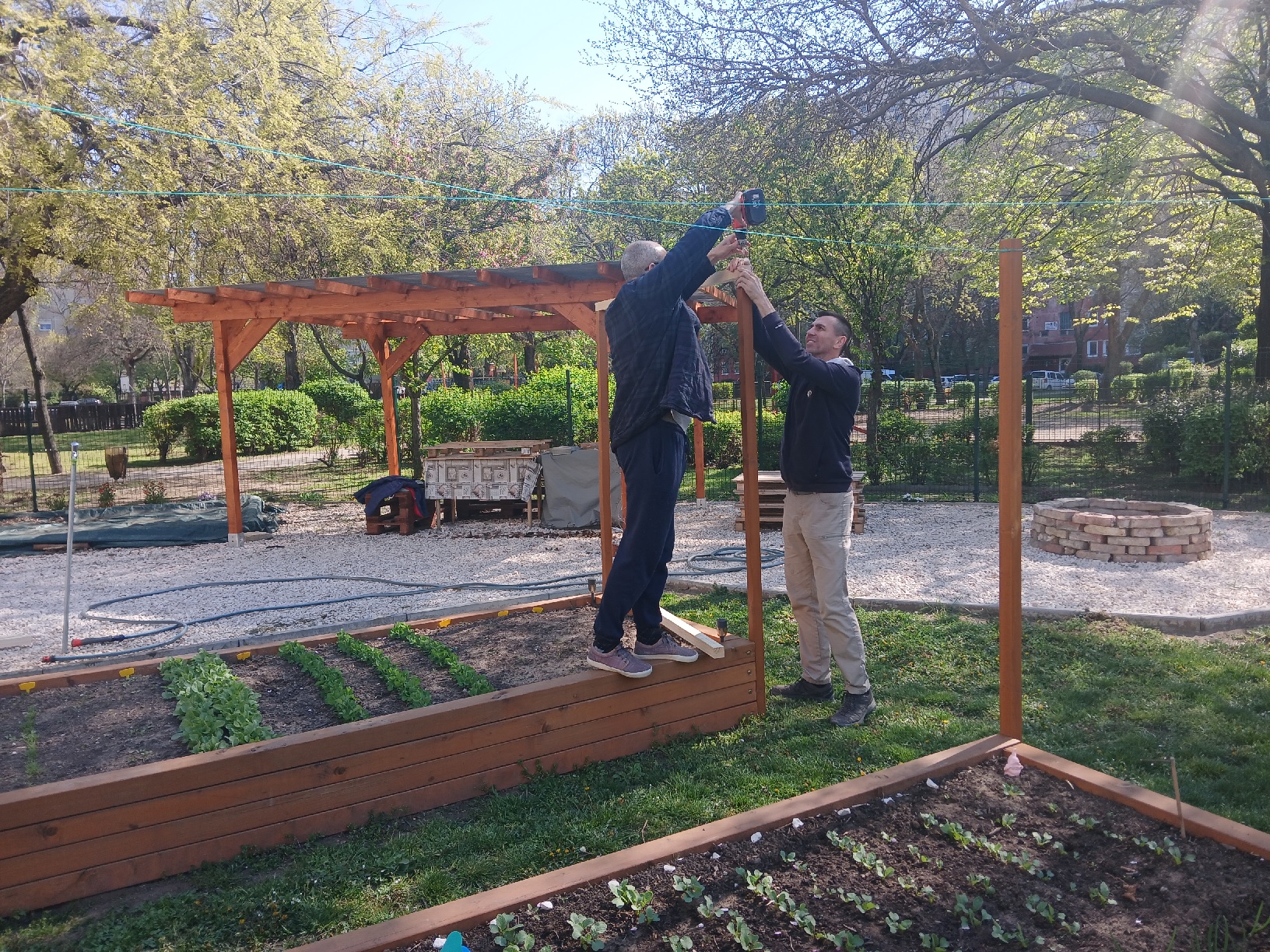
Community building is not simple. I see many gardens having problems with it. Over the past few years, I have realized that the best way to develop a community is to work together on projects, such as building something. A culture of collaboration develops through completing tasks together. For example, we built a pergola in the Toldy garden.
We should build a shading system over the community space because the summers are too hot. We first considered sun sails, but then we decided on pergolas. Organizing and building it was a real community effort, and not only that. It was a family project: the girls cooked pepperpot and tended to the flower and herb gardens. It ended up being a very productive day.
I find that one of the best ways to build a community is to build something together, organize an activity, and do it together. This could be building a pergola, cooking together, or tidying up the land we share.
Yesterday was a very good experience for everyone who was there. For example, we learned each other’s names.
I photographed the whole day. Here is the process:


Pergolát építettünk a Toldy kertben
A közösségi tér fölé árnyékolót kell építeni, túl melegek a nyarak. Először napvitorlákra gondoltunk, aztán inkább a pergolára esett a választás. Igazi közösségi munka volt a szervezés és az építés, de nem csak az. A lányok főztek egy jó paprikás krumplit, közben megcsinálták a virágoskertet és a fűszerkertet. nagyon produktív nap volt.
Azt veszem észre, hogy a közösségépítés egyik legjobb módja, ha építünk valamit, ha van megoldandó feladat, amit meg kell szervezni és együtt kell elvégezni. Legyen az pergola építés, vagy közös főzés, vagy a közös művelésű földek rendbe tétele.
A tegnapi nap nagyon jó élmény volt mindenkinek, aki ott volt, például egymás neveit is megtanultuk. 🙂
A költségeket a Kispesti Önkormányzat Civil Pályázaton nyert pénzből finanszíroztuk. Az Önkormányzat egyik leghatékonyabban felhasznált pénze, szerintem…
Végigfotóztam a napot, itt a folyamat.


Május 2025
Érdekesen hideg volt a május, a növények nem növekedtek úgy mint kellene, ettől függetlenül a kertek szépek, jól alakulnak.
Három galériát csináltam a hónap eseményeiből.
Toldy kert.
A kert nagyon szép, rendezett. Ez az első igazi szezon, az ágyásokat nagyon szépen művelik. A hónap közepén iskolás csoport jött a kertbe, tanulmányi kirándulás volt


A Böszi kert is szép most. Részt vettünk a Budapest100 eseményen. Részben nyitott kert program volt, másrészt a kerület helytörténész tartott előadást a telekről, amelyen a kert van most, illetve én beszéltem a kert alapításáról és az azóta eltelt évekről. A kerítésre csináltunk egy nyomtatott molinó sorozatot a telek és a kert történetéről. Jól sikerült a molinó. A kertbe is jöttek látogatók.


Májusban tartotta az Aranykatica kert a 12. születésnapját. Egy tucat év. Jó sok. Sokat változott a kert, (igazából a kerteken kezdem lemérni, hogy mennyit öregedek. Mintha tegnap lett volna az Aranykatica kert alapítása, ehhez képest már 12 éve.)
Sokat változott a kert, jó a csapat, biztató az egész. Nagyon jó partikat szoktak abban a kertben tartani, ez is egy ilyen esemény volt.


COMMUNITY GARDEN REGULATIONS
Proposal for the Garden Rules
There are many Community Garden Rules on the internet, and this version has been refined over fourteen years into the one you read here. It seems over-regulated, but since the real owner of the land and garden is the local authority, everything should be clear and regulated.
It’s also very important that gardens are not held together by garden rules, but rather by unwritten norms, personal relationships, seasons lived together, the sense of community that is really important.
The Garden Regulations are not the same as the Garden Contract. The Garden Contract contains the legal terms and conditions for the use of the bed, the Garden Regulations are more for cooperation and garden management.
The Garden Rules, however long, cannot cover all aspects of the garden’s operation, which is why garden meetings and competent garden management are important.
The Garden Rules should be posted on the garden notice board for all to read, both garden members and visitors to the garden.
1. General expectations
1.1 The rules are intended to make the operation and use of the Garden clear and understandable to everyone and apply to all members of the community. The Community Garden Rules apply universally to all users of the Garden and may only be changed or modified by community decision.
1.2. No political activity is allowed in the garden. The garden does not engage in direct political activity, is independent of political parties and does not provide or receive financial support from them.
1.3 Members of the garden must conduct themselves in a manner that enhances the reputation of the garden.
1.4. All forms of cooperation between Garden Users are important and should be encouraged.
2. Rules for the use of the Garden:
2.1 The Garden must first and foremost be a safe place for both Garden Users and their guests. The introduction or use of dangerous objects or hazardous materials in the Garden is prohibited. No smoking or consumption of alcohol is permitted in the Garden. The rules of normal social interaction must be followed in the Garden.
2.2. All Plots have the same area, and each Garden User may only cultivate one Plot. Any resident of the District who accepts and respects the rules of the garden and the expectations of the community may become a member of the garden.
2.3 The Garden Fee is used to cover the costs of running the garden: the purchase of tools, seeds, seedlings, etc. Spending must be voted on by the community. Payment of the user fee is due by 31 March each year. Non-payers are automatically excluded after a grace period of one month.
2.4. Each Garden User is responsible for his/her own garden, for the gardening work: planting, watering, weeding, harvesting, and for the maintenance of the common areas of the garden.
2.5. All beds shall be maintained as often as possible on a weekly basis or at least once every 3 weeks. If the Garden User is unable to cultivate his/her garden, he/she must arrange for a competent substitute, in consultation with community members in particular. Any plot that is not maintained for more than 2 month can be charged and transferred to a new Garden User. If the Garden User wishes to terminate his right to use the plot during the growing season, he/she must notify the Garden Manager.
2.6. The right to use the plot is not transferable or permanently assignable.
2.7. The Garden may only grow plants for personal use, and therefore the Garden User may use and harvest the benefits of the Garden for his/her own use and for the use of his/her family members. It is forbidden to sell the produce of the Community Garden!
2.8. No artificial, chemical substances of any kind should be used in the garden, neither for weed control nor for other garden operations. Only and exclusively “organic” certified products may be used.
2.9. No poisonous or narcotic plants may be planted in the Garden. Trees, shrubs and weeds that have been dispersed in the garden by birds or wind-borne plant seeds must be removed from the garden.
2.10. The Garden User may only cultivate his/her own plot, harvest only his/her own crops, respect other people’s plots at all times, and may not touch other people’s plots without specific request.
2.11. At the end of the growing season, all Garden Users are responsible for clearing their plot and its immediate surroundings in preparation for the winter rest period. The same rule applies to the common areas and the Garden as a whole.
2.12. If any Garden User’s plants are attacked by a contagious disease, they must be removed from the bed immediately and other Garden Users must be informed of the potential danger. Infected plants must not be composted and must be removed from the Garden as soon as possible.
2.13. All Garden Users must remove all non-green waste (rubbish) from the Garden. No waste bins may be used in the garden.
2.14. Mailing list, Closed Facebook group: the rules of normal communication must be particularly respected in the internet-based communication of the garden community, the anonymity of the internet must not lead to uncultured behaviour.
3. Community areas, common activities
3.1. Each garden member is responsible for the overall appearance of the garden, and everyone must do their part to maintain it.All garden users are responsible for the continuous maintenance, care and cleaning of the common areas outside the bed throughout the season.
3.2. For the tasks to be carried out during the year (mowing the lawn, watering the common areas, maintaining the herb garden, tending the flower beds, etc.), a task list should be drawn up, in which the garden members undertake the work jointly – on a voluntary basis. Each garden member should take on tasks according to his or her ability and capacity, in equal proportions.
3.3. Communal areas in the community garden: the grass garden, the flower garden areas, the community space, trees and shrubs, which are maintained under the guidance of a “responsible person”, with the involvement of the community.
3.4. The garden members are required to take part in the work once a month (2 hours per month), and if they are absent, they must do the remaining work. If a garden member fails to participate regularly in the gardening work for reasons for which he/she is responsible, he/she may be expelled from the garden by a majority decision of the gardening partners.
3.5. In the garden, composting should be a shared responsibility. Each plot will share equally in the finished compost. By common agreement, household green waste may also be composted, but the types and types of composting must be agreed in advance between the Garden Users.
3.6. Each Garden User has his/her own key to the Garden and can enter the Garden whenever he/she wants.
3.7. On finishing gardening work, all tools must be returned to their place in a clean and usable condition. The Garden must always be locked when leaving. All water taps in the Garden must be turned off on leaving.
4. Garden coordination, garden management
4.1. The coordination and management of the Garden is carried out by the Garden Manager or the Garden Coordination Group, elected by a community vote. The community authorises the management team to take tasks, organise events and garden meetings and make decisions about the Garden. Each year, the Coordination Group is required to report on the functioning of the garden, the work of the community, their tasks, and our future plans.
4.2. The garden treasurer is obliged to report and account for the available funds every year. The accounting of expenses is presented at the end of the harvest season. Every year the community votes on the amount of the garden fee.
4.3. The Garden Manager or Garden Coordination Group is required to organise a Garden Users’ Meeting (Garden Meeting) several times a year, and a Garden Builders’ Day at least twice a year, at the beginning and end of the season.
4.4. The garden manager can call a meeting at any time to take joint decisions, or any garden member can call an extraordinary garden meeting.
4.5 Bulletin Board: a shared space for all kinds of information, messages and suggestions about the affairs of the Garden. Political advertisements and promotions are forbidden.
5. Events, children and visitors
5.1. Children may only be in the Garden under adult supervision. Guests invited by the Garden User must be aware of the rules of the Garden and may not touch or damage the beds of others. The Garden User shall be jointly and severally responsible for the conduct of its guests as its own.
5.2. The community garden may organise events such as cultural and leisure activities, garden parties, celebrations of community garden holidays, open days, educational and demonstration activities, and other events supported and approved by the community.
5.3. Participation in events, either as a visitor or as an organiser, is voluntary for the members of the garden.
5.4. Family celebrations can also be organised in the community garden with the knowledge and permission of the community, for example a child’s birthday. Invited guests must be aware of the garden rules, they cannot cause any harm.

Community garden leaders and the sustainability of the gardens
The last in a series of articles on urban – community gardens, this one is less about plants and growing seasons and more about the organisation of the garden community and the role of garden leaders.
All community gardens need to be managed, garden managers are needed, and in many gardens there is a garden coordination team. An unmanaged garden will not work, everything will be in disarray, the garden and the community itself will decline very quickly. Most communal gardens fall into this mistake, they trust in the ‘power of community’ but fail to consider that if there is no thoughtful management, no planned season, the whole thing will miss the mark and die. Somehow the garden community needs to be understood as a company, an organisation. Many different people, many different skills come together, and they need to be guided in the same direction, organised and coordinated in the day-to-day running of the garden.
Importantly, it is not the garden manager’s job to do everything himself, but rather to create the conditions for the community to do the garden tasks themselves, efficiently, quickly and cheerfully. The garden manager is more of an organiser, more of a coordinator and of course he or she does some of the physical work.
Although the garden is ready, it has had a few successful seasons, but that doesn’t mean it is functional on its own, it needs a person, or perhaps a small group, to think through the season, call the garden meetings, communicate with the local authority, keep track of the garden’s assets, manage the garden’s internal and external communications. The goal is always to have a successful and relaxed season for the garden that year, to achieve success at community and individual level.
The one-third rule
A broad generalisation about all community gardens is that a third of the members are active and participate in all events, another third only attend the main events, and there is a third who are rarely seen, sometimes or not at all involved in the life of the garden. For them, the only thing that matters is their beds, or worse, their beds become deserted and weedy by mid-season, which is a serious problem, and in a garden where all the garden members have the same size bed, neglected beds are very noticeable. In this case, the garden leader should step in and ask the neglected gardener to give back his bed so that a new, more active member can be selected by the community from the waiting list. Fortunately, every garden has a long waiting list, it is easy to bring new members into the garden. The garden by-laws set out how neglectful gardeners can be removed from the garden, partly by written warning, partly by verbal warning and finally, if they do not respond, the community can vote them out of membership. This step is not to be neglected, it is better to have a new, enthusiastic garden member to replace the neglectful gardener.


There are situations when the garden manager has to take “firm” action. There are cases when a garden member is found to be unfit to exist in a community, his behaviour, his habitus make him unfit for community life. These are the community destroyers. Often they are unable to communicate with other gardeners in the right tone of voice, or without the approval of the community they do something in the garden that is bad for everyone or detracts from the overall image of the garden. In such cases, the garden manager has to step in and either persuade or, as a last resort, vote the person out of the garden. There have been examples of gardeners who have been found to have alcohol problems, and it is not acceptable for a gardener to stagger around the garden with many young children present. There were also examples of the garden partner’s personality making him unfit to participate in the community, causing strife, destroying the community, inadequate personal communication with others, and such a person needs to be urgently removed from the garden.
Communication problems very often come up in e-mail conversations. In addition to the keyboard, some people indulge in far more than they would in face-to-face communication, and this must be stopped immediately, not allowed to escalate, because in the long run it has a devastating effect. Don’t be afraid to put someone out of the garden, do it calmly, without offence, give them the opportunity to retreat with their head held high.
New garden members in the garden
Each garden has a long waiting list so we can select the applicants. It’s worth inviting applicants to the garden, several at once, and telling them what garden membership means. Many people have an unrealistic view of how community gardens work, there is a lot of idealism, it is better to be clear from the start what the tasks, responsibilities and benefits will be for the new garden member. Some people back away from signing up when they learn that the garden involves shared responsibilities, not just a bed to garden in. When choosing a new garden member, pay attention to the integration of the new garden member into the garden community. Introduce the new members at the next garden meeting, put them on the mailing list, give them all the knowledge and good advice they need to integrate easily and quickly into the garden community.
The tasks of a garden manager:
- The most important tasks of a community garden leader include: involving members, delegating tasks and responsibilities, and resolving conflicts.
- A key role is to coordinate, build community, create and maintain stability and cohesion.
- Organises garden meetings and garden events.
- Represents the garden in a defined capacity, liaises with the designated unit of the municipality.
- The garden manager is responsible for enforcing the garden rules and the house rules.
- Coordinate garden communications, external and internal coordination together.
- Overseeing the garden’s membership fees, leases and budget.
- Keeping records of the garden’s financial assets.
- The goal to be achieved by the garden manager is the optimal operation of the garden, achieving long-term sustainability.
Culture of cooperation
One of the most important tasks of the garden manager or garden coordination team is to develop a culture of cooperation. All members should be able to work and associate with others, making decisions together about the future of the garden, participating in the physical maintenance of the garden, and being part of the community. The success of a community garden is the result of the cooperation of its members. Nature will do its work independently.
What makes a good garden manager?
Be a good gardener, but more importantly, be able to communicate with a wide range of people, Often retired teachers and people used to management make the best garden managers. Garden managers need to be able to deal with conflict quickly and effectively. Garden managers must have time to organise and volunteer for the garden.
A good garden leader can run a garden meeting well. Garden meetings are a forum for discussing garden business, and effective and to the point meetings are essential. It is interesting to note that during the Covid epidemic we held online garden meetings and they were not effective. Much better to be in person. Garden meetings should be held a few more times a year: beginning of season garden meetings, end of season garden meetings, and during the year if there is a need.
The garden manager must be able to harmonise different ideas and expectations, and most importantly, to promote community decision-making in all cases. It is not the garden manager who decides on the major issues of the garden, but rather coordinates the community to make important decisions themselves and helps and organises their implementation.
Community garden management should be the responsibility of one person for the first season, because too much participation will only hinder an effective learning process. However, for subsequent seasons, it is better to establish a garden coordination group. One person is likely to have too many tasks to manage the garden, but by dividing the work into different sub-tasks, you will make your job easier.
Keeping the gardens working.
We build community gardens for decades. The only garden I have had that I know of that was built as a temporary garden is the Böszi Garden, which was built on a construction site and will be discontinued when the economic situation allows the planned municipal investment to get underway. The gardeners have taken note of this situation, so they experience each season as a gift and hope that they might have another season. At the same time, my oldest garden, the Első Kis-Pesti Kert, completed its 12th season this year, has become an important part of Kispest’s life and the neighbourhood over the past dozen years, and there seems no reason why anything should prevent it from continuing to thrive for decades to come.
In 2012, I was in New York for the American Community Garden Association conference and we visited several community gardens in New York. Some of them were 40-50 years old. No one remembered who the founders were, none of the people who started urban gardening back then were alive. And yet they still exist perfectly well, with gardening revived season after season. It took the city to accept the benefits of these urban gardens and start actively supporting them. The logic is quite simple, community-maintained urban gardens are infinitely cheaper for the city than park maintenance, but they also have a much higher biological value, are more permanent, are free from vandalism, are an ornament to the neighbourhood, host many events of importance to the district, participate in the environmental education of youth and, most importantly, create active neighbourhood communities. A global city is made up of many of these small communities.


Once these community gardens are established on municipal land, as a municipal investment, smart municipalities will include the gardens in the district’s so-called green space management plan. This means that the municipality cannot let the garden go, saying that it is ready, it is now cultivated and maintained by the gardeners. Every asset has its amortization period, it deteriorates, it decays, it needs to be replaced. Here, bed frames are the main expense. After having established 9 gardens, I have to say that there is no really good solution for raised bed borders. They are depreciating assets. Most of the time we use wooden bed frames, but no matter how much we protect and treat them, they start to decay and rot after 5-6 years. Standing outdoors in winter and summer, in sunshine and winter frost, they will inevitably break down after a while.
We can build the beds, for example with bricks or concrete blocks, but the cost of building these is unrealistically high, and is usually rejected by planners and local government representatives during construction. The clever municipality will include a depreciation cost for the community garden, from which the gardens can buy the timber needed for renovation and then rebuild the deteriorated beds themselves. This is community work, an unavoidable task.
Community gardens are getting richer every year. It’s almost unbelievable how many varieties of plants can grow in these gardens. From the second to the third season, the flowers will become more and more numerous, the fruit trees more and more numerous. Groups from the schools and kindergartens in the area will get used to the garden, they will have biology classes in the garden, the inhabitants of the area will like the garden because it is beautiful, because it shows a different face every day, because it is interesting and good. One of the best feelings is when strangers from the neighbourhood call me and say, “Nice garden, congratulations. That is success.

The community garden implementation process and the first season
In this section, I will try to put the process of implementing the community gardens in chronological order, with a focus on the events and tasks of the first season. Of course, each garden is unique and their implementation is different, but the main milestones are the same. The other important element is that only municipal gardens will be discussed.
December – January
The community garden is a joint project with the municipality, on municipal land and as a municipal investment, we inevitably have to adapt to the way the administration and the organisation works. You have to be able to wait out the bureaucratic process until everything is in its right place. The most important thing is to budget for the creation of the community garden and to allocate capital to it when the municipal budget is drawn up for next year. This requires a budget, often asks for feasibility studies and references. This is done before the end of the year and approved by the municipal assembly. Then a contract can be signed with the municipality, for the establishment of the garden, for the management of the garden, all this takes a lot of time, but this is where the process starts.
Community gardener recruitment. The first public forum, location and date should be announced. Because we are organizing neighborhood communities it is best to recruit prospective garden members from the neighborhood, it is worth posting the event in the doorways of neighboring houses. An inspiring presentation should be prepared for the community forum, so that people can see what to expect, what will happen, and how they can get involved in the garden’s creation. We’ll start registering people from the first session and set up a closed mailing list where we can keep in touch. Don’t be surprised if not all the beds are sold out the first time, by the time the garden is ready there will be a long waiting list.

February- Garden meetings, training, launch of the design process
We usually hold two-weekly garden meetings and training sessions, during which we come up with a name for the garden, possibly an emblem, discuss garden contracts, garden rules, vote on the bed rent, and elect a garden treasurer. Meanwhile, let’s start the garden design with concept plans. Invite landscape architects, or perhaps students in a university course week, to prepare concept plans. It makes sense to work with relatively short deadlines, as we want to open the garden in early summer. In the meantime, gardening education will be launched. The gardening course will be four classroom sessions, and after the garden is complete, the learning will continue outdoors.


March
By this time, the design concept for the garden has been developed and the landscape architect is working on the final design. It is worth inviting him to a garden meeting where he/she will explain how the garden will look, introduce the plans, and give comments. In the meantime, gardener education is being provided along the lines of the theme.

April
The garden design is finished, the contractor starts building the garden. It’s worth inviting the contractor to a garden meeting to explain the main steps of the garden construction and to discuss who can participate in what work. The aim is that the community that is being formed should also take part in the construction and running of the garden, so that they develop a stronger, deeper bond with the garden. The tasks of maintaining the garden will be talked through, and everyone will have to take a part. We start planning community events for the season. In the meantime, gardening and compost education is going on. Composting is a separate science, so it’s worth setting up a separate training session.
The construction of the garden should be carried out and supervised by the municipality. It is too big a task to be undertaken without competence. The physical construction of a garden is a profession, if you don’t know how to do it, don’t do it, you can lose big.


May
By May, the garden is usually ready, beds are assigned at the garden meeting, garden contracts are signed by all gardeners, garden keys are handed out and the first season’s “bed rental fee” is paid to the garden treasurer. Each garden has expenses, seeds to be bought, common garden tools, paints, watering cans and printing costs, which are funded from the common treasury. All expenses are discussed at the garden meeting and approved by the community.) Each gardener is given a key to the garden, everyone goes to the garden when they feel like it or have time. Many like to garden early in the morning, others after work. The gardens are basically locked, there have been occasions when an unwitting visitor has accidentally caused damage, so the garden gate is usually locked even when there are gardeners inside, but interested visitors are let in and shown around the garden.
By May, the gardeners’ bed-planting designs will be ready, and the seedlings will be planted at home. We cannot grow enough seedlings to fill the bed at home, so it is worth ordering seedlings from specialised companies. In the meantime, we will also discuss planting the herb garden and flower beds. The aim is to have everything ready for planting day, so that everyone knows what we are going to do and where it will go.

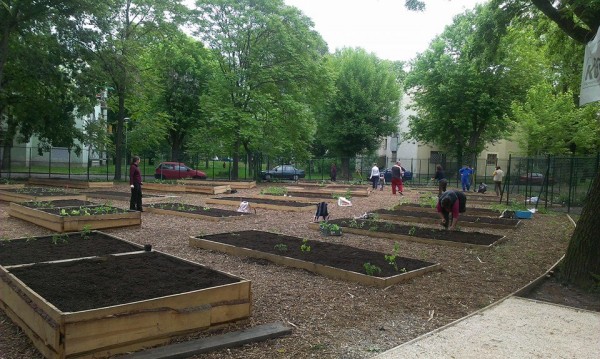
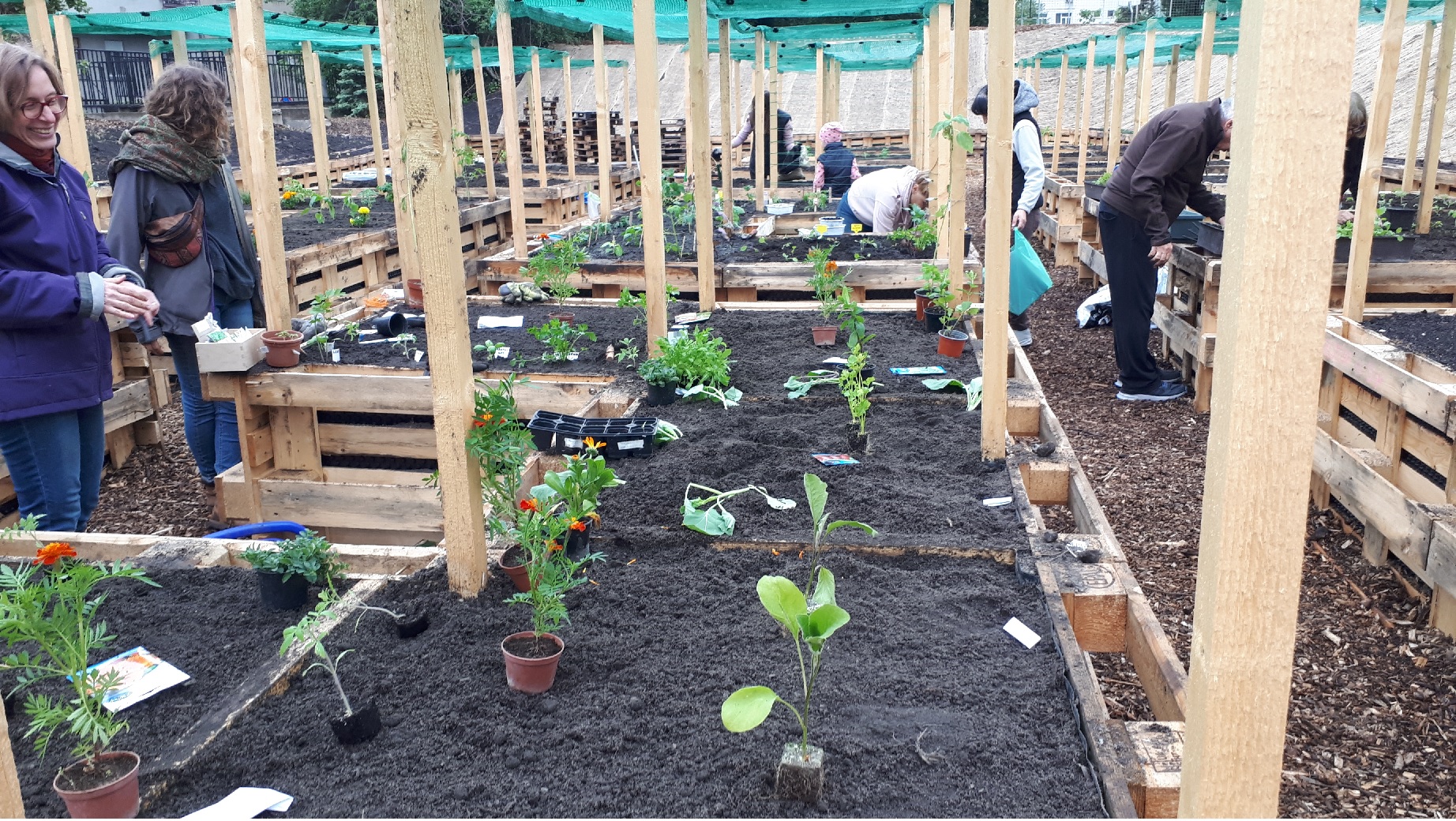
Planting day takes place in May. This is one of the most important events in the garden establishment process. This is when the seedlings are put in the ground, the herb garden is planted and the season starts. Gardening Day is a milestone in the life of the garden, it is when the first growing season really begins. Planting day is usually held on a Saturday or Sunday, so be prepared for it to be at least a 4-6 hour occupation. A botanist will help you get the planting right.






June
The plants are growing nicely and we are getting ready to build the garden furniture. Used pallets, purchased wood, but definitely have the gardeners build the tables and benches, possibly composting frames too. This is a weekend activity, you can build everything in a day or two if there are enough of us and tools. Also, prepare a fire pit, a sandpit for the kids, invent and furnish a community space. The tools will start to accumulate in the garden, storage for them will have to be figured out. In the first season, a large wooden box that we build ourselves is enough; later on, the community usually builds a proper tool storage or receives a subsidy. Always make sure that the garden looks good, that there is no clutter and that inappropriate things are not put in the garden.


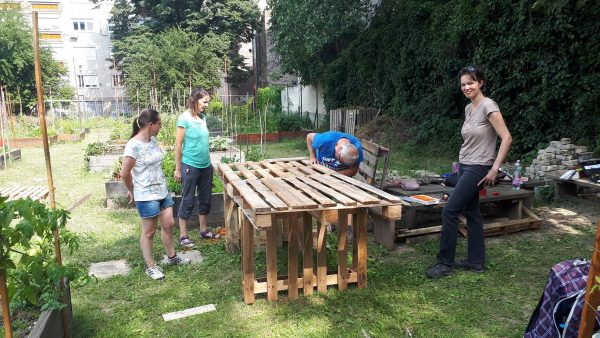
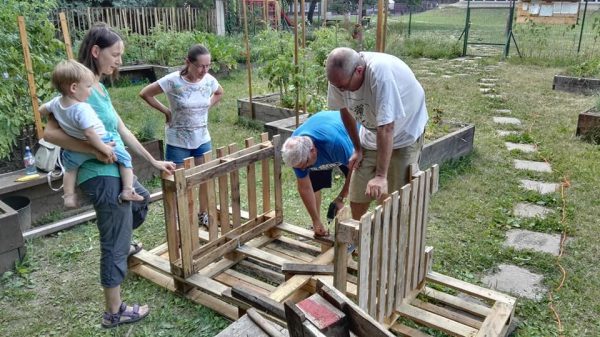

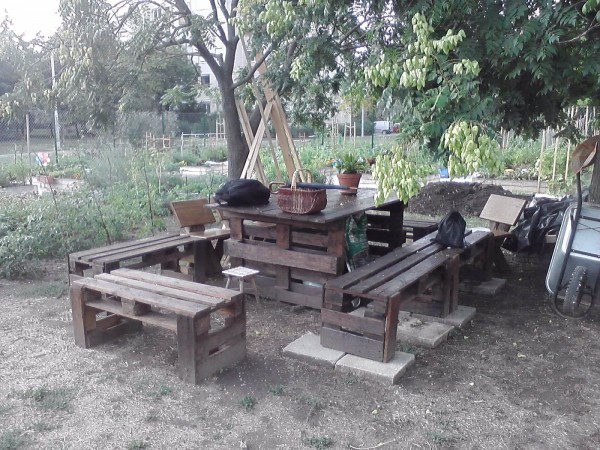


July
In July, we usually hold the grand opening of the garden. So far, there has been a lot of press coverage of the garden in the district, the project has been featured in the district’s newspapers and TV, and the opening is the culmination of this. The mayor, the members of the council, everyone who had something to do with the garden’s creation, all come. The garden members bring cakes, cookies, maybe we can make something delicious on the fireplace. There are speeches, but more interesting is the garden itself and the community, who by this time have dressed the garden up quite a bit, the beds are starting to look nice. Close cooperation with the municipal press office is important. The community garden is a rewarding subject and is often featured in the local newspaper. In the coming years, the gardens tend to celebrate the garden’s birthday, an event very similar to the opening ceremony.


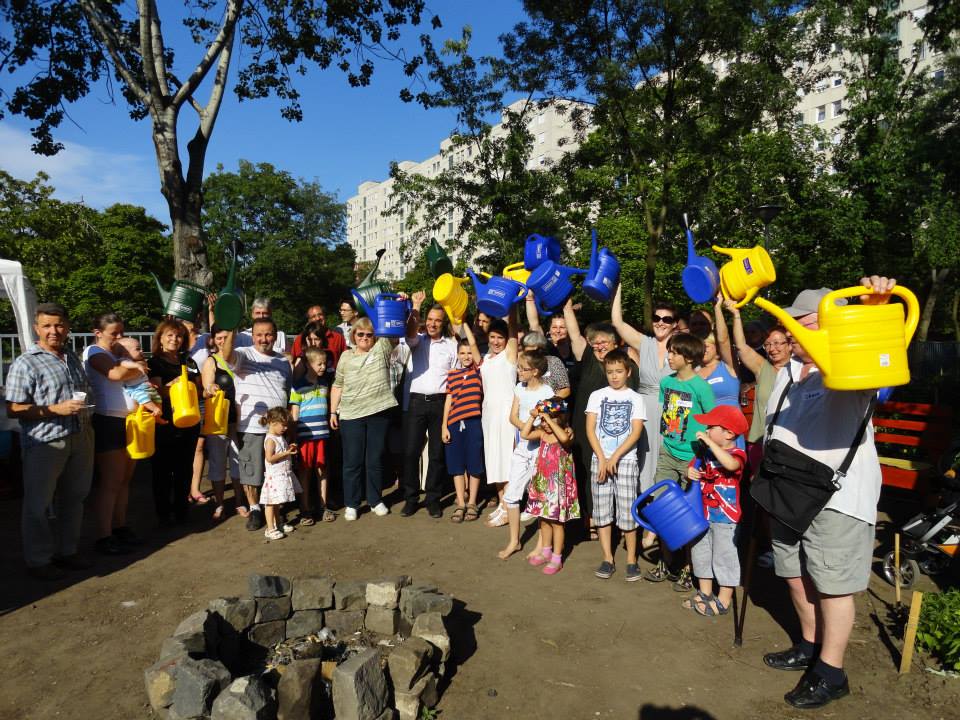

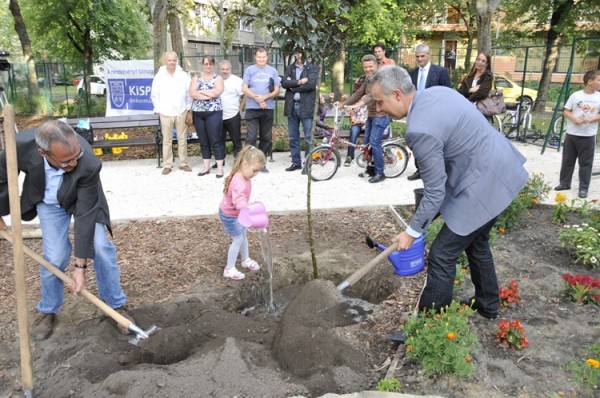


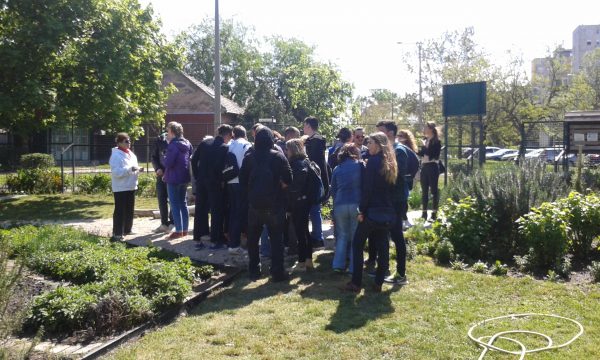


During the summer there are fewer garden meetings, everyone is in the garden anyway, we get together when we are building something or having a garden party. And of course after work, it’s nice to get out for a little watering, weeding, and conversation. It’s a way to wind down for the day. The first crops appear, and the first pests appear. Many gardeners go on holiday, arranging with remaining gardeners to water each other’s beds. In the community gardens, we don’t touch each other’s beds, that’s the rule, but we will help a fellow gardener on holiday with watering if asked. To help with pest identification and control, a botanist will come to the garden and explain and demonstrate proper control.


August
This is the time when the harvest begins to come in droves and when most people go on holiday. Be sure to have people watching the beds, helping with irrigation. It is worthwhile to do a garden statistic in the first season, with all bed owners measuring and keeping a record of their crops. This tends to be very interesting because when you add up the final results, it turns out that the community garden produces a surprising amount of crops. In 2023, according to the garden statistics, the Böszi garden produced almost a tonne of vegetables, a surprising amount, and if you add the shop prices, you end up with a very substantial sum, not to mention the quality. Numbers in the garden.

The urban gardener can expect a return on investment of around 400-500%. This is a very similar figure to what he measured in the crisis gardens during the world war. (A válságok kertjei) Every dollar invested yielded $5 in crops. Surprisingly good business.
The last weekend in August is International World Kitchen Garden Day. Most urban gardens hold their own International Kitchen Garden Day. We hold an open garden day, with posters inviting people in the garden. The gardeners show the garden and their beds to the public. The community comes up with the programmes and organises the day’s events. It is a popular press event, or families and residents of the area come to the garden.
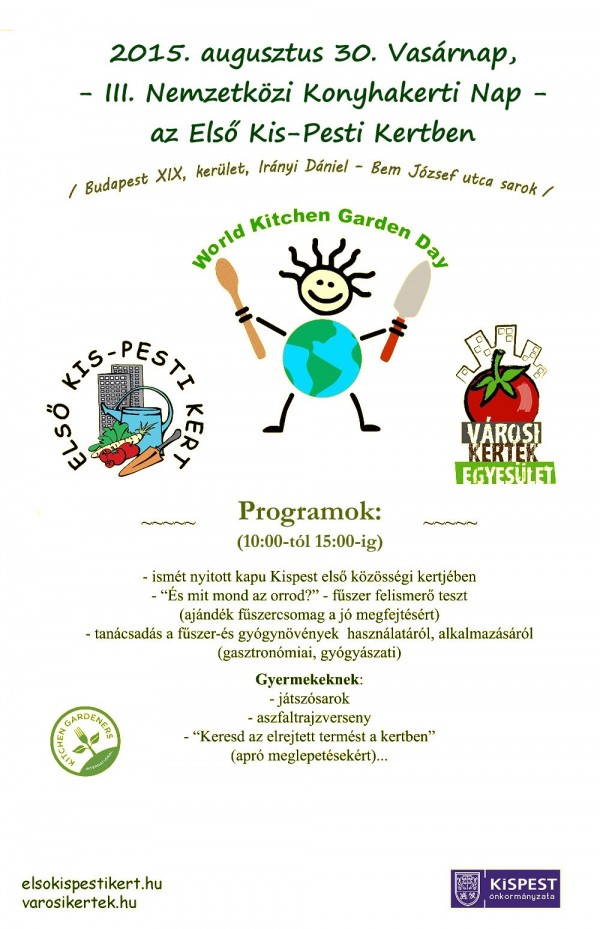


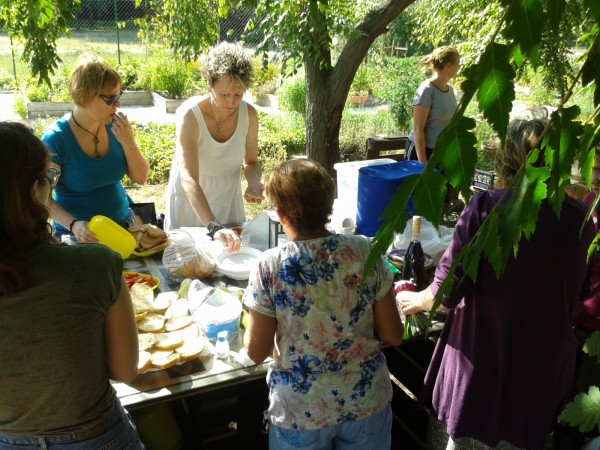
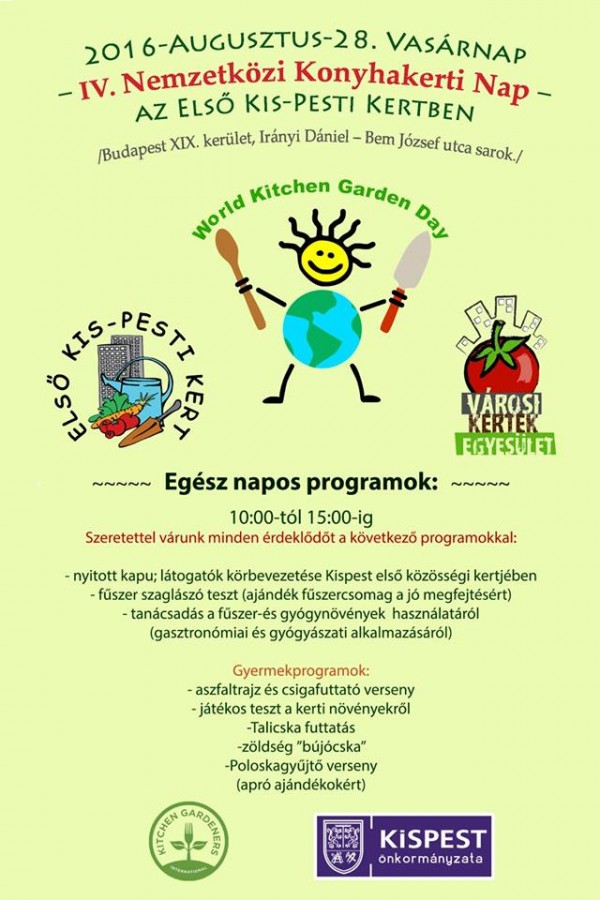


September
This is the time when everything is ready, when there are lots of crops, when gardeners’ families tend to rebel against the constant eating of courgettes. The compost bins start to fill up and next spring we will have good quality compost of our own.
Composting is a constant topic of debate. There are those who conscientiously chop everything up, and others who don’t bother. Sometimes it’s just easier to cut up the larger pieces left in the composting bin than to argue or blame. The problem will be solved in a few years.
October
The season is slowly coming to an end, and we are starting to prepare to get the garden ready for the winter period. Cleaning out the beds, adding nutrients, etc. We need to organise an end-of-season build-up day in advance, usually at the end of October. A lot of green garden waste is generated at this time, so it may be worth re-learning how to compost.

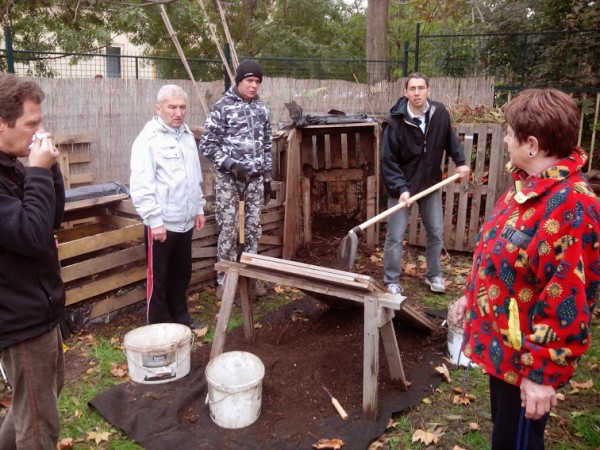
November
We are back to one meeting a month. We evaluate the year and start planning for the next season. In recent years I have sent out an online questionnaire to all garden members, a kind of satisfaction survey, with very interesting results. It helps a lot in planning the next season and the municipality is also interested in the questionnaire.
It is important, especially in the common areas, to discuss what worked, what didn’t, how to improve the garden for the next year. Many valuable comments are made about the garden, innovations, new tools, suggestions for organisation.
The last two months of the year, when the garden manager of the first season, the garden founder, leaves the garden, must be prepared for this, a new garden manager must be elected. At the garden meeting, we go through the tasks of the garden leader and the community elects garden leaders from the applicants. It is recommended to form a garden coordination team of 2-3 people, it is a bit much work for one person. It is worth clarifying who will stay in the garden, are there any leavers? New garden members will be selected from the waiting list to replace those who leave. There is turnover in every garden, with a 3-5% drop-out rate. This usually means 1-2 beds. They leave the garden for various reasons, mainly moving new house, maybe a new job that doesn’t give them time to garden.
December
To close the year, we celebrate the first season of the garden, have a party, the future garden coordination team takes over the management of the garden.


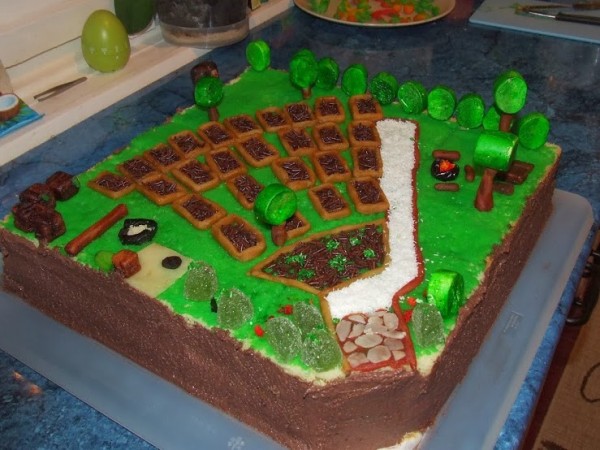


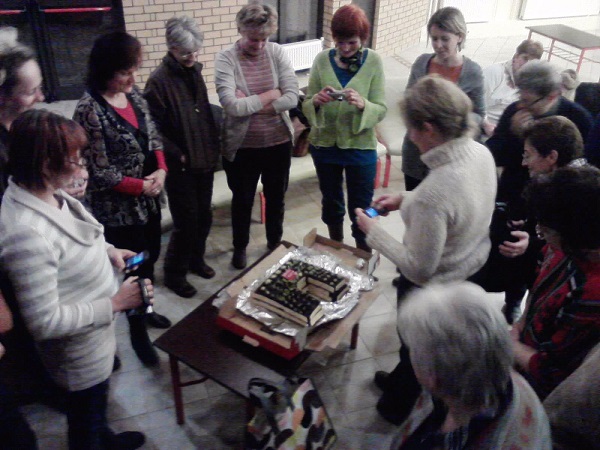


Community development and education programmes in community gardens
Article series 04
It is a commonplace to say that in a community garden, ten percent is gardening and ninety percent is community life. Many people come to the garden for the companionship, the community programs, or perhaps for the environmental consciousness; the plants are really just a valuable plus.
The word of Community is a fashionable word today, it is a bit overused, it has lost much of its original meaning. In this section, I would like to describe garden communities, their development and their functioning.
Community development is an essential element in the establishment of community gardens. Potential gardeners don’t know each other when the garden is started, random volunteers, who should develop a tight-knit community by the end of the first year, who will be able to maintain and develop the garden in the following seasons. The task of the first year is to get the members to work together through conscious organisation, tasks and meetings, to develop a culture of cooperation, to finish the first season successfully and to prepare them to continue working independently.
It is a common mistake to neglect community development when establishing a community garden, when there is no community development or no conscious element. I see many gardens that have been built by the municipality, handed over to the gardeners, but there has been no community development, it has become a chaotic, dysfunctional garden, more of an embarrassment to the municipality than a success. Communities don’t develop on their own, they need development, external intervention to help the gardening team through the first season, both to get through the season successfully and to become a community in the process. Community building is a prerequisite for the success of community gardens, an essential element.
If there is no systematic development, on the one hand, there is no culture of cooperation, and in the worst case, the community that has not yet been formed may break up into factions and small groups that hardly cooperate with each other. But there are also many examples of individuals provoking discord in the garden with their lack of community, their willfulness, as happens on a larger scale in society. Certainly there are individuals who, if not consciously, act as community destroyers, to the detriment of the community that is being formed. Such situations need to be dealt with by the garden manager, either to bring the person to their senses or to ban them from the garden.
The focus and foundation of community building is the garden itself, through which community cooperation and neighbourhood community is created. Garden communities are organised around a fixed location, where they always meet and where events take place. It is not only the garden beds and their own crops, but the development, care and events of the garden itself that build the community, giving tradition and continuity over the seasons. It is relatively easy to build community in a garden.


It is important that every gardener and family has an individual garden bed, and it is also important that everyone has exactly the same kind of bed. Communal gardening is not viable, you can’t see how much work someone puts into their plants, how careful they are. The individual garden beds inevitably give rise to gardening competition (my tomatoes are redder, my courgettes are bigger, I have more beans, etc.) This is a very important element, because it gives a sense of achievement, it is a constant topic of conversation, and halfway through the season gardeners are already planning the plants and planting order for the next season. The garden competition is triggering of the increasing biodiversity of the garden. In addition, there are areas of common cultivation, the herb garden, flower sections, these are areas of common gardening. The long-term goal of garden communities is to achieve sustainability.


There’s always something going on in the beds, the garden always gives you something to do, the plants give you enough pleasure and excitement, it’s easy to build a community in a garden where nature provides the rhythm, the activity and the sense of achievement, the garden manager’s job is to organise the smooth and predictable running of the garden.
Regular community events and garden meetings are essential, especially in the first season. Events can include garden meetings, building garden furniture, garden parties, garden clean-up days, hosting guests in the garden, etc. All should be well-organised events. A community garden gives you tasks, not just to keep your own bed tidy, but the whole garden. A garden is a set of tasks that require organisation, cooperation, coordination, foresight and communication. It is the combination of these and their successful operation that makes a group of gardeners a community. This is what the first season is for, to practice how to run the garden together. It is the task of the garden founder to organise these events and to see the first season through successfully. Everyone finds a task and a sense of achievement in the garden.


Very important garden tools for community building are communal spaces, fire pits, tables and chairs, which are mostly built by garden members from pallets. This is the centre of the garden, where we can hold garden meetings during the summer, where garden cooking is done, where the conversations take place. You need to be able to sit down in the garden, you need to build lots of benches. There should be a sandpit for the children, that’s usually the community place for them.

The fire, cooking together, has a very strong community-building power. Garden parties are a nice way to feel good, when we cook together, fry bacon, have a fire, have company, there are lots of us in the garden, and we can talk about all sorts of things.
Gardens are run according to rules: on the one hand, there is a garden contract, which defines the legal relationship between the garden and the gardener. In addition, there is a set of garden regulations, which help to define garden behaviour and cooperation. It should be mentioned that in every garden there are unwritten norms, and that the formation of community norms, customary laws and traditions is part of becoming a community. In well-established gardens that have been around for several seasons, these are an automatic part of the process. In the case of start-up gardens, the founder or garden leader leads the team in establishing them. Garden rules and norm building make the garden’s organisational functioning predictable and acceptable, and in the long term, a stable and predictable organisation.
Community development is in many ways similar to business development, but the goal is not to make a profit, but to maintain the garden and see the seasons through. Garden meetings are also similar to company meetings in many ways, there are agenda items, tasks to be done, things to be discussed, planning, resources to be allocated and monitoring to follow through. Of course, it is much more relaxed, much more informal than a corporate event, but the goal is very similar, the success of the organisation.
The one-third rule.
Becoming a community does not mean that everything becomes uniform, everyone becomes the same, everyone takes an equal part in the life of the garden. Even in established, long-operating gardens, there is a third of the membership who are very active, attending every event, another third who come most of the time, participate in the life of the garden, and a third who are much less so. It’s not a family or a company, it’s a community of volunteers. We must make sure that there are no neglected beds, that there are not a majority of people who only take care of their own beds and hardly any of the garden. From time to time, lazy garden members can be asked to leave the garden and replaced by more active, eager new members. Each garden has a long waiting list.
Education for gardeners
We are not born gardeners, and a good gardener is always learning, we are not dealing with a static thing, but with nature. Experience has shown that garden education is important for start-up gardens, both to give everyone a comprehensive basic training in growing plants and to give them professional help during the season, for example on planting day or in season for pest control. All gardens are organic with an emphasis on natural control, professional help is essential. There is a serlist of products that can be used for plant protection in the garden, but they are all ecologically neutral, we strive for natural control and prohibit the use of chemical products under any circumstances. In the same way, we do not use fertiliser in the garden, we enrich the soil of the beds with natural manure and compost produced in the garden.


In the start-up gardens, we will hold 4 classroom sessions before the season.
In the start-up gardens, we will hold 4 classroom sessions before the season.
The topics are approximately as follows
- Basic gardening concepts, soil and nutrients, plant classification, environmental needs (soil, nutrients, water, sunlight, temperature), plant protection, garden tools
2. Reproduction, plant protection, sowing, planting, transplanting, seedling, grafting, germination, cuttings
3. Vegetables, grouping of vegetables, their biology, ecological needs, cultivation technology, detailed description of the most important vegetables.
4. Cultivation of medicinal plants, herbs, flowers, berries, their uses, balance between edible and ornamental plants. Flowers are multiplied in multi-seasonal gardens and gardeners start to ‘decorate’ the garden from the second season onwards. This element becomes more important as the years go by, bringing great pleasure to gardeners and residents alike.
5. Planting day. Planting day is usually held around April-May, when the temperature is warm enough to keep the plants from freezing. It is very important that the garden teacher is present in the garden on planting day. A basic mistake of beginner gardeners is to overplant their beds, trying to grow everything. Getting the seedlings planted well, at the right distance and professionally is a very important starting event. Planting day is always a very fun, enthusiastic event, when it becomes clear that there will be gardening here, there will be a harvest here, the first season in the garden is starting. Everybody is rushing around their beds, wondering what to plant and where to plant it. It is then that it becomes clear how important it is to draw up a planting plan in advance. By the time the seedlings and seeds are in the beds, there is a little disappointment, the seedlings are too small, few people can see the July and August planting boom.


The planting day is also the day for planting grasses and flower seeds, and for grassing if the walking surface is grassy.
Once or twice during the season, a gardening teacher comes to the garden, a pre-arranged community event where we talk through plant diseases and pests, like a hospital visit, bed by bed, giving professional advice to the gardener. Of course everyone is clustered around her, listening to her every word.
At the end of the first season, the founder of the garden will leave the garden community and let them go. At the last garden meeting of the year, the community elects new leaders, usually 2-3 people to take over the leadership of the garden. We call it the garden coordination group. The point of community building is that by the end of the process the community is able to run the seasons themselves, they no longer need outside intervention, they have become self-reliant and have elected their own garden leadership.

Hivatalosan is megnyílt a kispesti Toldy kert
Sikeresen túl vagyunk a Toldy kert ünnepélyes megnyitóján. Ez Kispesten az ötödik közösségi-városi kert, amúgy a kilencedik kertalapításom. Sok nehézség után, egy nagyon jó kert született és bár kicsit elcsúszott a kertépítés, mégis lett egy elég jó szezon, a következő évek meg még jobbak lesznek.Az elkövetkező években a kert továbbfejlesztése lesz a feladat, kialakítani a fűszerkertet, virágágyásokat, továbbfejleszteni a közösségi teret. Lesz munka vele elég.


Community garden design and construction
Article series 03
One of the most interesting parts of the garden creation process is the landscape design process.
A community garden is a complex design task, it has many functions, many garden elements to design, attention to operation and safety, and it must also be aesthetically pleasing. Be sure to design with a professional, a landscape architect who has seen a community garden, or better still, has been part of one. It is also an interesting challenge for landscape architects to build a community garden, and it is no coincidence that many graduate students choose to design a community garden as part of their landscape architecture degree. There are so many great, creative, innovative garden designs and garden ideas to be seen, but keep your creativity in check and focus on usability and developability when designing. A community garden is designed for decades, and in the second or third season the community garden goes beyond the design concept and starts its own development. This is what the plants and the garden members want. A community garden is part organism, part organization, only the participants can change, but the garden is permanent, there is a season every year, in many ways independent of the gardeners.
It is really the job of the landscape architect to lay the foundations of the garden in a good, functional way, and then the garden can stand on its own. In a few years it will grow far beyond the concept of the designer.
The field survey, determining the location of the garden
The municipality’s property management department usually provides a list of possible sites in the district where a community garden could be established. Visit the sites on the list and consider the following points.
The size of the site.
The community garden should be about 1,000 square metres, which should accommodate about 25-28 beds and the common cultivation areas, walkways, community space, etc. The 25-28 beds are important because this is about the number of people that can be used to build a community. Too large an area is not worth it because the garden needs to be maintained, if it is too large it makes it difficult to operate. And too small an area can accommodate too few beds, and the garden will cost too much in terms of species.
Sun exposure.
It’s not worth starting a garden on a narrow plot of land squeezed between buildings or in an area overgrown with trees, because your plants won’t grow. 10 to 12 hours of sunlight a day is a must. It is good if there are trees in the future community garden, because then the community space can be planted around them, with shady, quiet areas, but the majority of the area should be undisturbed by sunlight.
Water network.
The garden should be irrigated, usually with tap water or a borehole. Water charges are paid by the gardeners, but in many cases they are paid by the municipality. Each district irrigates a very large area, in this community gardens are not really a major item. You also have to build a water network with multiple outlets within the garden, this also requires planning. A garden water network is basic equipment, without it there is no functioning garden. Rainwater harvesting is always an issue, but experience shows that this is almost never enough, and in addition water tanks are very expensive.
Soil, growing environment
Urban land is unsuitable for growing crops. It is polluted, used up, not worth experimenting with. In Budapest, only brought-in soil is used in raised beds in community gardens. In the case of imported soil, it is also worth checking in advance what is being delivered, as we have often had stony, weed-contaminated soil, which has caused a lot of problems, until we managed to turn it into a good quality growing environment. Over a season in raised beds, the soil is quite overused, so nutrient replenishment is very important. In addition, raised beds have many advantages: you have to bend less to cultivate, you can control the quality and nutrient content of the soil, you need less water, and pests have less access to your plants. Each autumn, when the garden is put into winter rest, garden compost is added to the raised beds and it is worth adding some mature cattle manure, so that you have a nutrient-rich, good quality growing environment again for the next season.
Population density.
Community gardens should be created mainly in residential areas, in densely built-up urban areas, where there is a high density of inhabitants and a lack of small gardens. Many pensioners live in housing estates and there are many families with young children, who tend to be the most active members of community gardens. In garden cities it is not worth starting a community garden, as everyone has their own garden. It is a basic experience that a community garden should only be started as a neighbourhood community. The further away garden members come from, the faster they leave the garden. People who live nearby are the most active garden members, those who have to travel to the garden quickly get bored and drop out.
Community garden landscape architectural design, design process
An urban garden has to perform many functions, so careful and professional planning is essential. The garden is not just a space for urban agriculture and crop production: it also has a community and educational function, it must fit into the urban environment, it must be part of the life of the neighbourhood and, last but not least, it must be aesthetically pleasing. There is, of course, community planning; by no means should prospective users be left out of the planning process, but an educated professional approach to planning is essential to the long-term success of the garden. So the foundations on which the community will build a working garden must be well laid. A community garden is not completed in the first season. It is then that the basic functions are built – beds, fencing, watersystem, walkways – and then in the following seasons the gardeners themselves develop it further, making it richer, more comfortable and, above all, more lush and colourful.
Elements of the design
Fencing, raised beds, water system irrigation, composters, communal areas (herb garden, flower beds, fruit trees), walkways, community space location and features, sandpit for children, garden furniture, sun shade, fire pit, lockable tool storage and outside garden areas.
Concept plans.
The best method so far has been the joint course weeks with the Department of Landscape Architecture at Corvinus University, where students of landscape architecture have created concept plans for a specific site. In the process, they met with future gardeners and representatives of the municipality, and experienced the design of a community garden as a real-life task. This is how the Békási garden, the Szélrózsa community garden in Szentendre, and one of the most beautiful garden designs, which was not realized afterwards, the Amfikert design. The students’ concept designs are then used to put together a final design and a construction plan. Experience has shown that it is better not to leave the creation of the final plan to the students, as they have neither the time nor the professional skills to do it. Design work cannot be avoided and is worth paying for.
History of the Amphitheatre Garden- Amfi Garden
Two thousand years ago, Budapest was part of the Roman Empire, a border city along the Limes, on the banks of the Danube. It was called Aquincum and interestingly enough had two amphitheatres, one for the military town and a smaller one for the civil town. The ruins of these two amphitheatres still stand today, in the third district of Budapest. In the concept design, the students used the architectural form of the amphitheatre as a model for the community garden, and a very beautiful and original design was created. The only problem was that we never managed to realise it, and I still miss it.


Concept plans for the Békási Garden


Concept plans for the Böszi Garden


Construction
It is best if the municipality has its own contractor and has them build the garden. They can plan the garden construction into the annual work schedule, they have the experts, we don’t have to deal with the accounting, it’s the best solution from all points of view. The construction of the community garden takes 2-3 months, usually starts after the frosts have passed and, if we are lucky, it is ready for the gardeners to take over at the beginning of the growing season. The contractors are expected to build the foundation garden, while the landscaping and starting of the garden is done by the gardeners.
Construction of the Böszi garden


Garden building day
When the contractors leave the site, we organise a construction day on a specific day in advance. This is when we put the finishing touches to the garden, discuss the amount of garden furniture, the location of the communal space, set up the composting bins and install the water system.


Planting day
Right after the construction day, the next community event is the planting day, when the first seeds and seedlings are planted. As part of the garden establishment, garden members are given gardening training and are asked to make a bedding plan of what and where they will plant in their beds. By this time, everyone’s home windows are full of seedlings, and established communities organise to buy seedlings from growers together. There are many companies on the internet with a very wide range of seedlings. This method is good because, above a certain quantity, the contractor brings the selected seedlings to your home, you don’t have to bother with transport and you can buy really good quality, often special plants.
Planting Day is a big event every season, with gardeners preparing their own bed planting plans well in advance, and much of the classroom training is about this beforehand. We also have the seedlings, and we start planting in the common areas, especially the herb garden, but along the fences we plant flowers and runners just to make the garden look better. Perennials should not be planted in the first season, it’s better to get the garden settled and familiar with it first, and then berries and fruit trees can be planted in the second season. Be careful when planting trees, because after a few years they can grow very large and overshadow beds. Any major planting should be discussed by the community, and there should be a consensus. The herb garden and the flower areas usually have a person in charge who is skilled and willing to take charge, and the community cultivates these areas under his or her guidance.


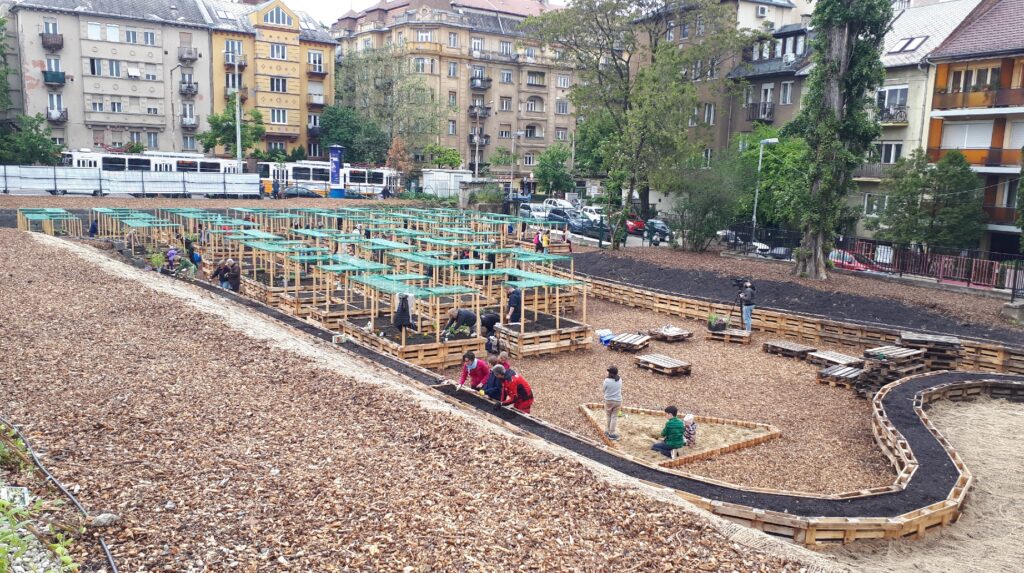


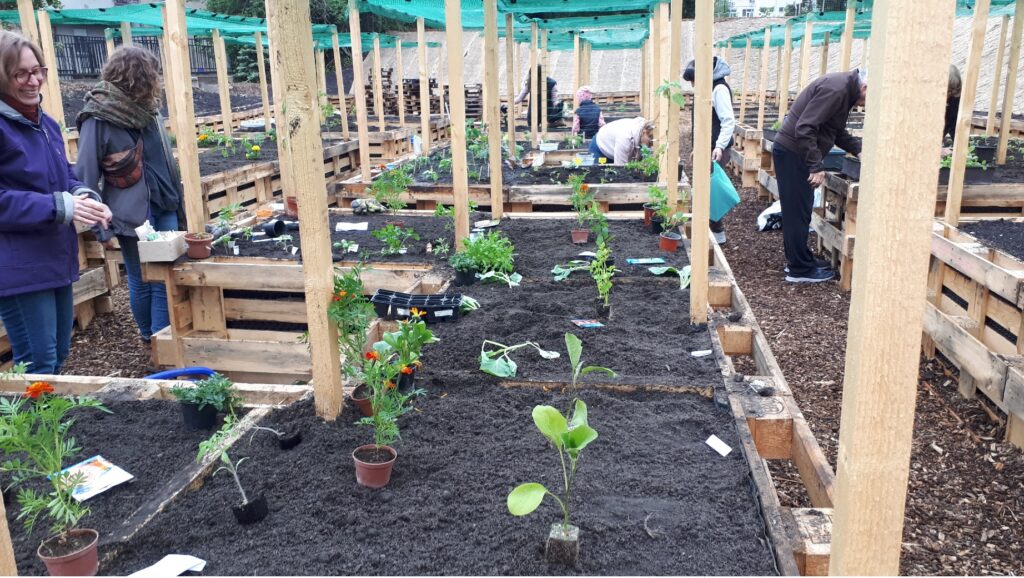


Furniture building days
The garden is a community space that needs to be organised and it is a special community-building activity for gardeners to make their own garden furniture, usually from pallets. The internet is full of better and better garden pallet ideas, so it’s worth looking for interesting designs and good solutions and putting them into practice. In a community garden, what you definitely need: a big table around which the company can sit, benches, lots of seating. There should be plenty of seating in the garden, it is not pleasant to stand around all the time. A table and benches are not made in a day, it takes weeks if you add that they have to be painted. Once the basic furniture is in place, you’ll have a much more comfortable overall garden, attracting gardeners to spend more and more time there.
Compost bins can also be built from pallets, but often the municipality provides compost frames, which are distributed to the public, so that compost bins are also available for the community garden. Place them away from the community square, preferably in a shady part of the garden. Over time, the composting frames will multiply, there is a very large amount of green waste in the community garden that can and should be composted. Many gardeners bring their green waste from home, so to avoid mistakes, be sure to have composting education before you start recycling. Be aware that compost bins attract mice and, less often, rats. Especially in the winter, when they burrow in the middle of the compost bin where it is warm, you have to be prepared for this and protect the garden against them. It looks bad that if you find mice or rats in the garden, this should be avoided.
Place the sandpit next to the community space, preferably in the shade. Young children are not so fascinated by the world of plants, but they love the sandpit, and parents are happy because the child is occupied with the other little ones, they can play in the sand, there is peace and quiet. It’s funny how plastic sandpit toys tend to multiply at a devouring rate in gardens, I once found a plastic dinosaur lurking in the grass in one garden. Good community gardens tend to have a lot of abandoned toys, after a while they become part of the garden, they get put away in the tool shed in the winter, they turn up again in the spring to the children’s delight.


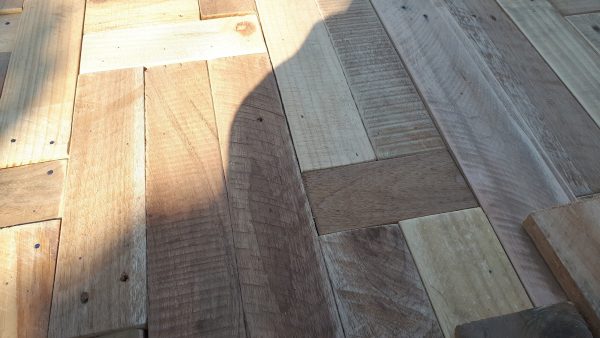
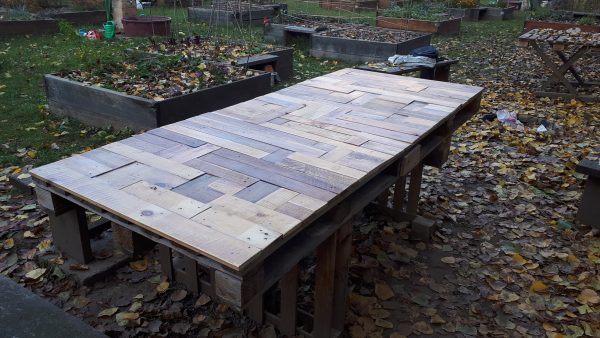


Build a firepit.
Beyond the plants and nature, one of the most important community-building elements in the garden is the fire. I didn’t realise this until I set up a garden framework where fire pits could not be installed for fire safety reasons. Fire is the oldest invention of humankind, the last 400,000 to 600,000 years have been spent with our ancestors sitting around the fire in the evenings, cooking and talking, it is almost genetically coded. Even in community gardens, cooking together, the garden party, is one of the best community-building activities. A lot of people come, conversations develop spontaneously, it’s actually on these occasions that we get to know each other, it’s free time well spent, everyone loves it. There is also a garden where they have improved the cooking in the garden, they have built a pizza oven, it’s particularly interesting how everyone makes their own pizza. Although alcohol is not usually consumed in the community gardens, there is a spritz, and possibly beer, during the garden parties, more for the atmosphere.


Tool storage.
After a while, garden tools, cans and all sorts of gardening tools start to accumulate in the garden, and it’s a good idea to store them. The tool storage is done during the year, you can make it fun, like in the Zápor garden, where we painted the not so nice tool storage, so it was much more acceptable.


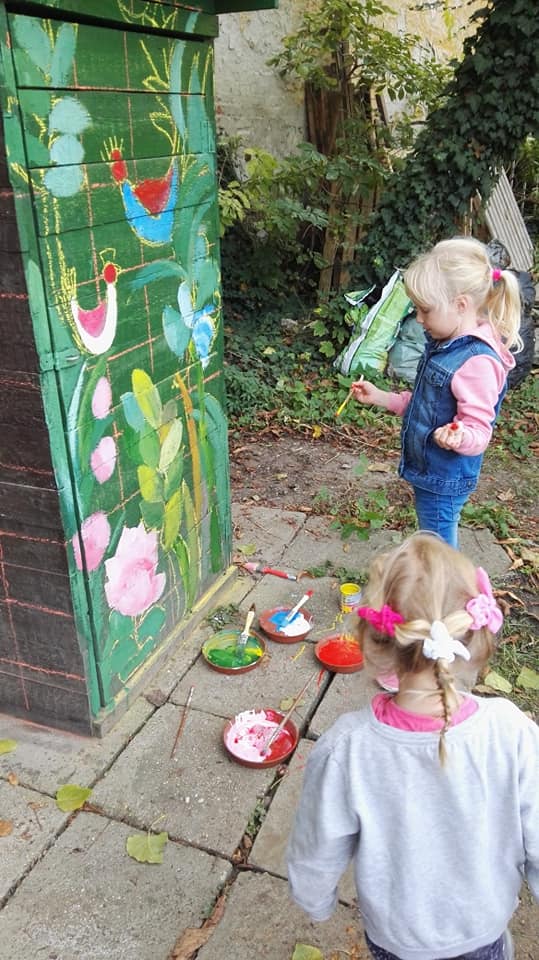

Zápor kert – szerszámtároló festése


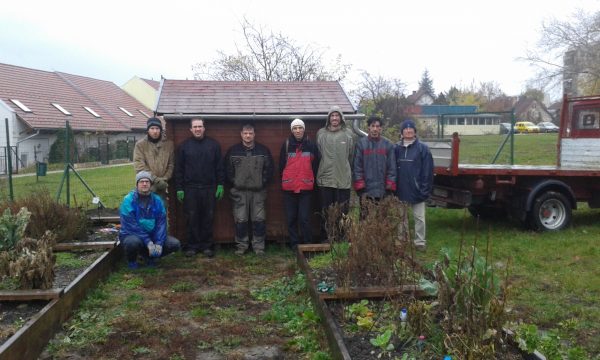
What are the most important tools in the community garden?
In community gardens there are individual tools, small gardening shovels, pruning shears, and shared tools. Not every bed needs its own shovel, digging fork, rake, etc. We need 2-3 of these, and we take turns using them. We need hoses, watering cans, and many gardens have mowers. Then over the years you get more and more tools. It’s worth fixing in the garden rule so that if someone uses tools, they always put them back in the bin cleaned.
In the next part, I will write about community building, the year-long process by which gardeners become a community and take control of the garden.


Starting a community garden, first steps
Article series 02
In the previous article, we talked about the history of community gardens, now we will learn about the process of establishing urban gardens.
Privately owned urban land is rarely considered, as the owner has an interest in building a store, a housing estate or a car park on the allotment, which generates money, whereas a community garden has no profit-making function. This is why municipalities and municipal land are the most likely targets, especially in residential areas. The high population density in housing estates makes recruitment easy and at the same time there are thousands of square metres of little used land in housing areas that are suitable for gardens. It is no coincidence that most of the community gardens in Budapest were created in blocks of flats.
An average community garden is about 1,000 square metres, it is important that it is close to residential areas, with enough sunlight it should be sunny, you should be able to manage irrigation water, and it should be surrounded by a fence. Without a fence there is no community garden, without a water network you cannot grow plants. The municipality tends to designate areas as gardens that are either functionless or have lost their former function. We have had gardens built on the site of a long-defunct playground, another garden on the site of an old, long-defunct park, and gardens that were illegal dog runs. What should be avoided, for example, is to take land from an existing well functioning park to use as a community garden, this is very wrong, it should be avoided.
Today it is not difficult to convince municipalities of the benefits of establishing a community garden, this is now commonplace and obvious, it was a bit different before. Today, the problem is more a lack of quality and a lack of thought in the projects. Some municipalities think that it is enough to build the garden and it will work well. The reality is that it is not that simple, unfortunately we have seen many really embarrassingly failed garden launches in recent years. The peculiarity of a botched garden is that there are no professionals involved in the establishment, there is no concept of developing the garden community, there is no garden management or it is done by an incompetent person, there is no gardening education, there are no community events, everyone is just making their own bed, and the garden as a whole is in the process of being ruined.
The first step was to get the attention of the municipality. The task was to demonstrate the community gardens, how they work and, most importantly, why they are worthwhile for the municipality, through a spectacular presentation, using international examples. At the beginning, everyone liked the initiative, but the realisation was difficult, mainly because of the untried and new nature of the idea. If the Mayor says yes to the development, the hard part starts from there. Municipalities are quite complex organisations, with many laws and regulations affecting their operation, and there is also the representative body who ultimately have to vote on the garden establishment. In the very first municipal community garden, the Első Kis-Pesti Kert almost every municipal committee and department had a word in the project, and all had to be approved and supported before the garden could be started. This took nearly a year, with legal negotiations, financial planning, property management, voting by the Board of Representatives, etc. Ultimately, the aim is to ensure that the Community Garden is included in the municipal budget for the next financial year, that capital is allocated to it and that the conditions for its design, construction and operation are clarified, and that it is legally and contractually implemented. The council and the departments will only give the project the go-ahead if they are certain that the future garden is destined to succeed and cannot fail. The council’s primary concern is that the garden shoul be a success, that they have as few problems with it as possible, that it does not cause them any trouble or extra work. Of course, this is understandable, municipal work is a profession full of stress and problems, they don’t need another confrontation, they have enough.

The fundamental secret to the survival of urban community gardens is a kind of common benefit, a “win-win” situation for gardeners, neighbourhood residents, the municipality and city (district) leaders, in which everyone finds the benefits of the gardens accruing to them. What are these benefits?
The benefits of community gardeners
First and foremost, benefits are not necessarily a monetary value, and in fact in gardens we are talking more about benefits that cannot be bought with money. The benefits of gardeners are somewhere in the range of: busyness, responsibility and a sense of achievement, a sense of enrichment, pride, a caring experience, a life perspective, satisfaction, physical well-being, health-mental benefits, quantity of crops, learning new skills, community experience, educational processes, children in the garden, cooperation with others, closeness to nature, conversations, fame, press coverage. And of course, your own produce. There are so many benefits. Everyone can choose the one that is most important to them.
In a community garden, ten percent of the time is gardening, ninety percent is community life: tending beds and common areas, garden meetings, conversations, occasional garden parties, playing with children and relaxing. Getting away from the routine of home or work, blending into a wider group, is something everyone needs. There are so many different things to talk about in a garden, so many new stories to hear, while the garden and its plants give us a sense of occupation and pleasure. In the summer, when the heat is barely bearable, the garden is the place to relax, cool off, have fun and talk a lot. Today, when loneliness is almost a universal disease, the community garden is the best catalyst for making friends, talking to others, feeling important, becoming part of an active community.

Of course, the quantity of crops is very important. Growing your own produce is always better and healthier than buying it, and it has a special bond with the gardener. Moreover, you can harvest an amazing amount of produce from a bed of 5-7 square metres, and at a time when we are seeing unprecedented increases in the price of fruit and vegetables, this is what counts. And interestingly, the benefits only increase from here, as raw vegetables are turned into food, another level of creativity and another sense of achievement is garnered. In the gardens, recipes are a serious topic of conversation, who makes what from their produce, and gardeners regularly bring in tasters. When we have garden parties, you can taste them and be proud of our culinary art.
In some gardens, especially in the first season, we did garden statistics. The idea is that everyone measures their own crops and we put them together in a chart. 2023 in the Böszi Barden ( Budapest XII district, Böszörményi út) the following data came out at the end of the season.
366 kg of tomatoes, 25 kg of peppers, 26 kg of eggplants, 148 kg of cucumbers, 145 kg of courgettes, 45 kg of pumpkins, 14 kg of melons, 13 kg of carrots, 22 kg of batata, 10 kg of kohlrabi, 30 kg of green beans and so on. In total, 51 crops are included in the statistics, and there was almost a tonne of produce. It was a good season for the garden.
Numbers in the Community Gardens

These volumes are of course also expressed in money terms and the quality was very high. Own produce. It is very important to note that the produce of the community garden is not for sale, it is for personal use and self-sufficiency. This is laid down in the garden rules and in the garden contract and applies to all gardens.


Benefits for the district, the neighbourhood and the municipality
Urban green spaces are overused, very difficult to maintain and extremely expensive. The natural need of city residents is for their living environment to be as green as possible and to be as flowery as possible. At the same time, city residents themselves are rather careless with the environment, littering, polluting and destroying their green surroundings, whether for a reason or not. In addition, gardening is extremely expensive, a serious expense for local authorities year after year.
For a municipality, to designate a thousand square metres of land, build a good quality urban garden on it, spend money on community development, to start the garden, is a minimal investment compared to the annual budget of the municipality, but what you get in return is far more than the investment cost. For example: the district will be enriched with a very active neighbourhood community, a very high quality, biodiverse garden, a positive press coverage, both in the local press and in the national press. The garden is shaping the image of the district, is a new and popular initiative, and is featured in all district publications, films and environmental events. The garden is self-sustaining, it needs to be built once and then it runs itself, it gets more beautiful every year, the maintenance costs to the municipality are minimal.(It’s worthwhile for the municipality to count some amortization costs for the gardens and to help the garden develop, but it’s not a big item.) The garden communities don’t just exist within the fence, they appear at district events, host kindergarten and school classes in the garden, for example in the framework of the “Biology Lessons in the Community Garden” programme, to which the residents of the area and other NGOs are invited. The community gardens hold open days, members take part in district green actions, many researchers and graduate students study the gardens, this is also a reputation, this is also a benefit.


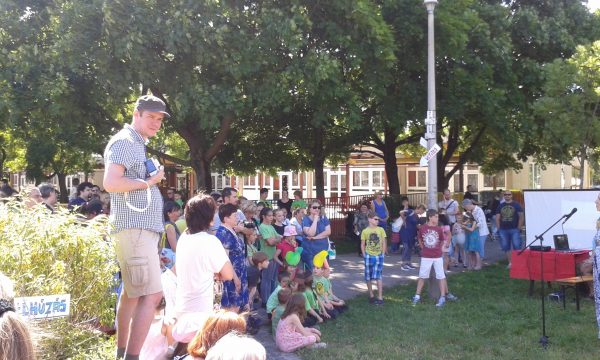
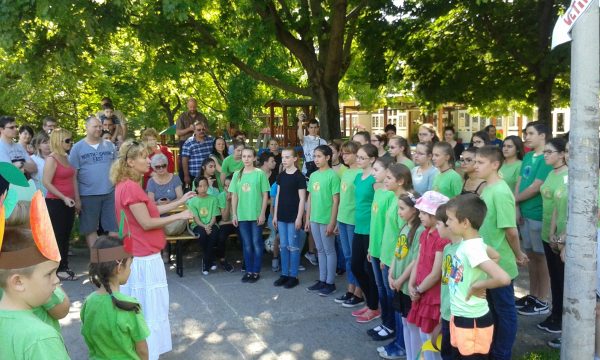

The urban garden is a small model of how we can live better, create a better quality of life, cultivate ourselves and our communities, our beds, our environment and the neighbourhoods where we live, within the city. Moreover, the district leadership can be a partner in this, working together towards a good goal.